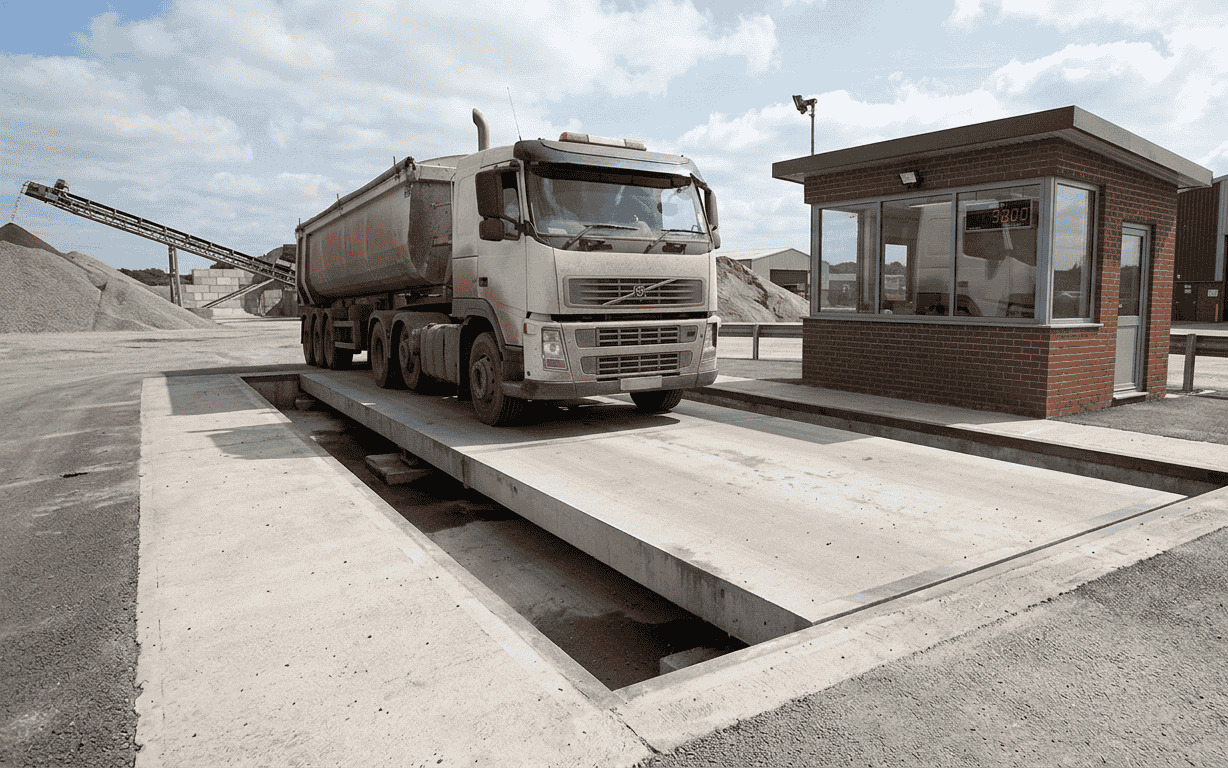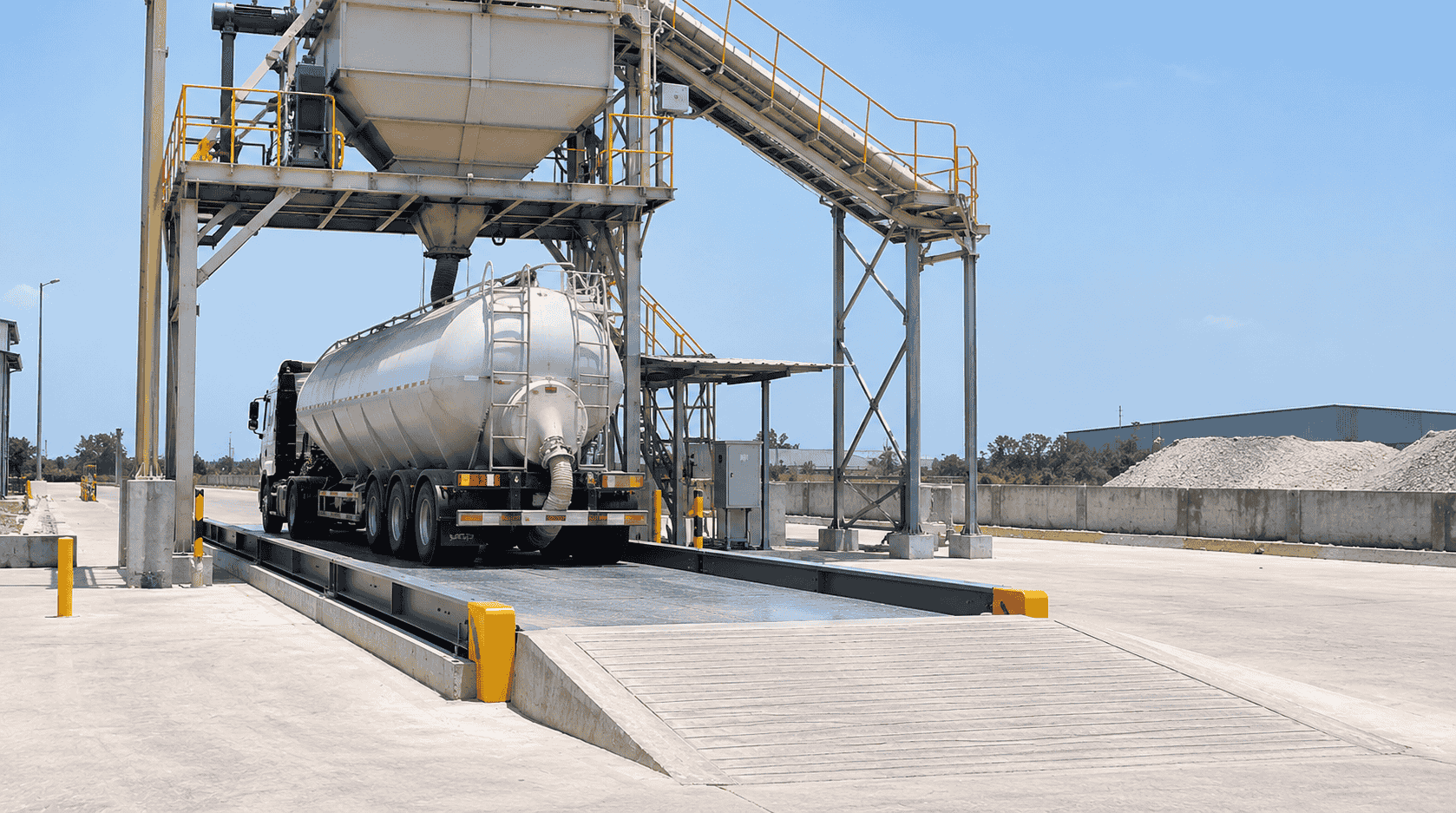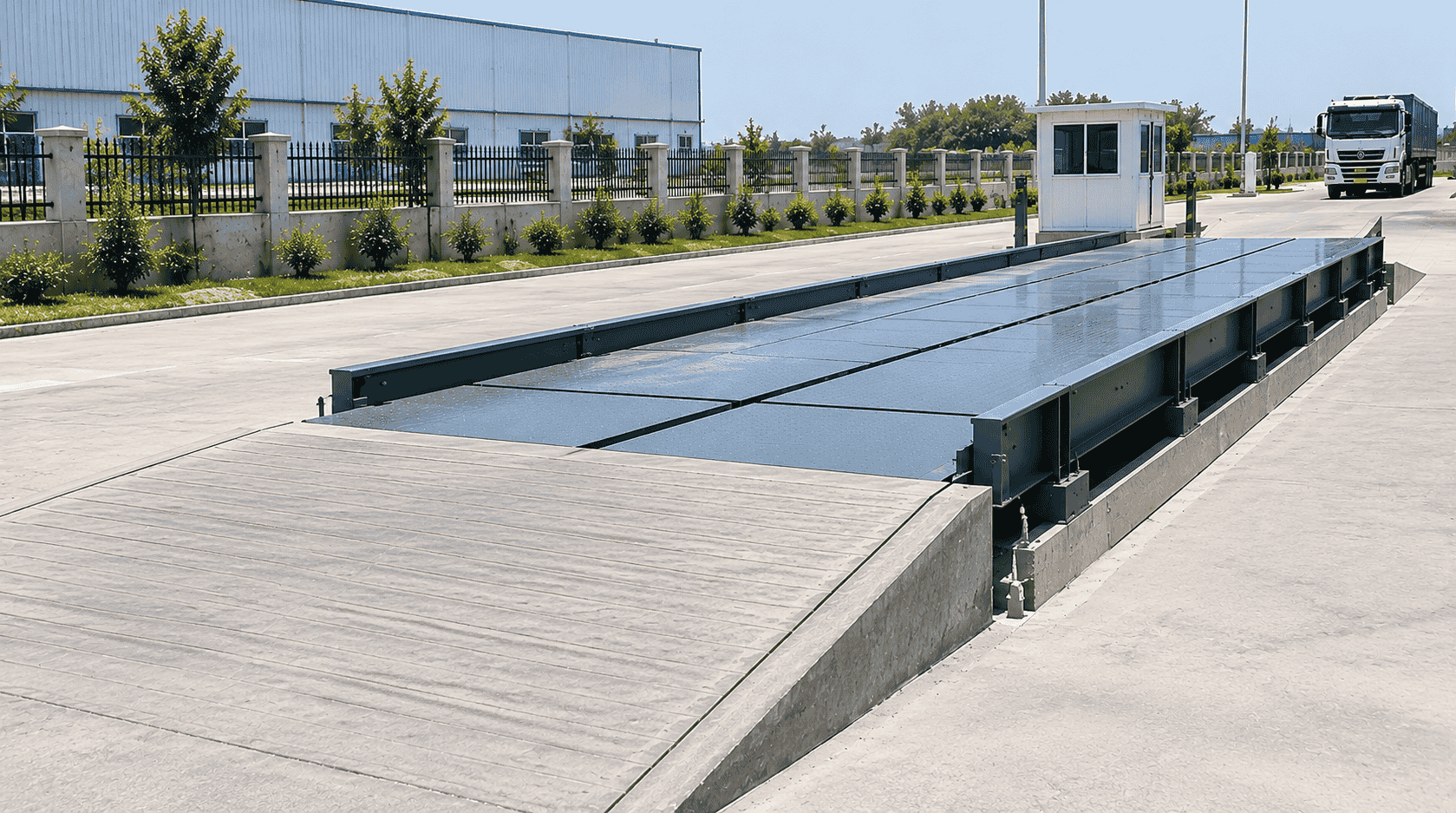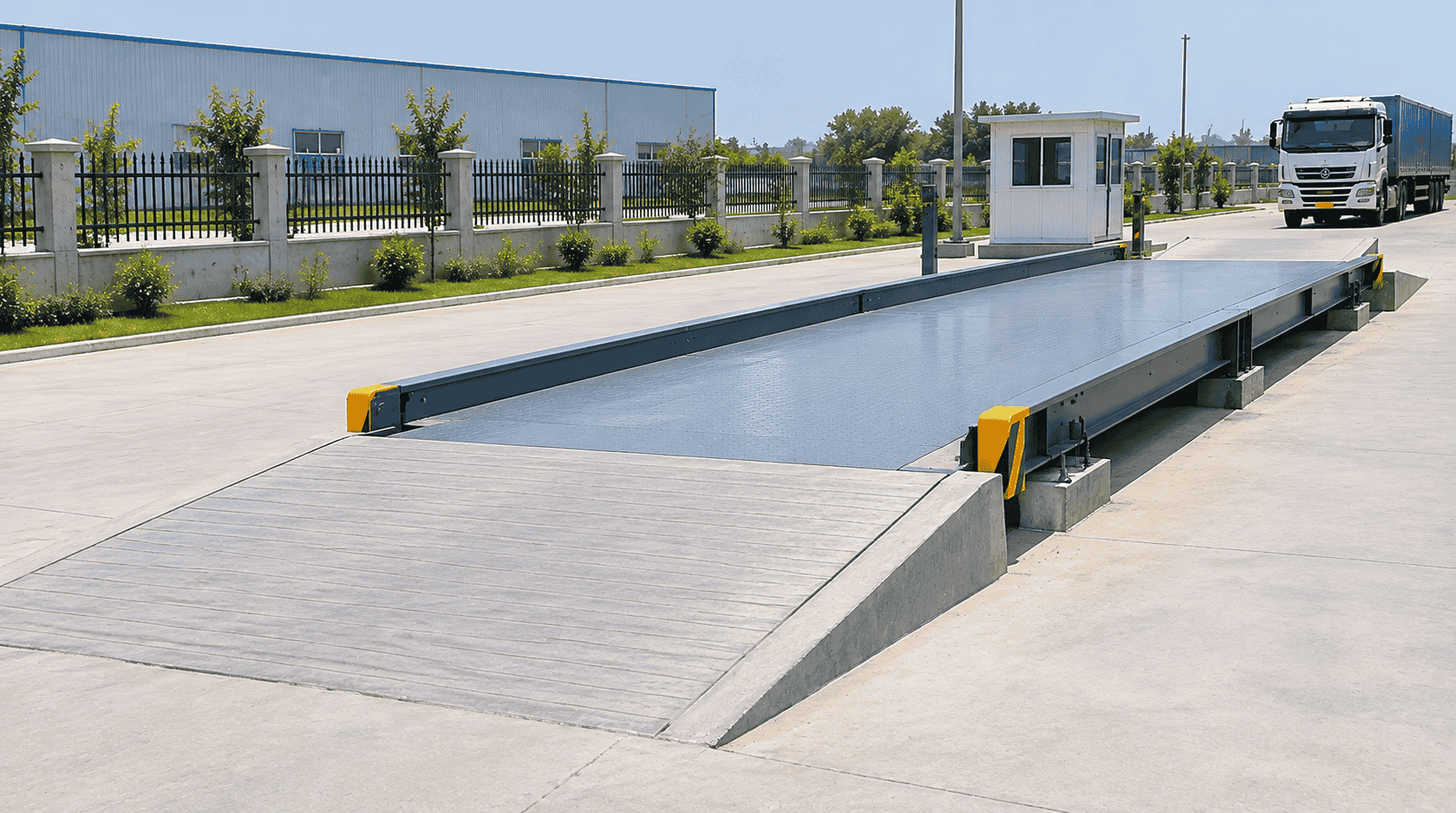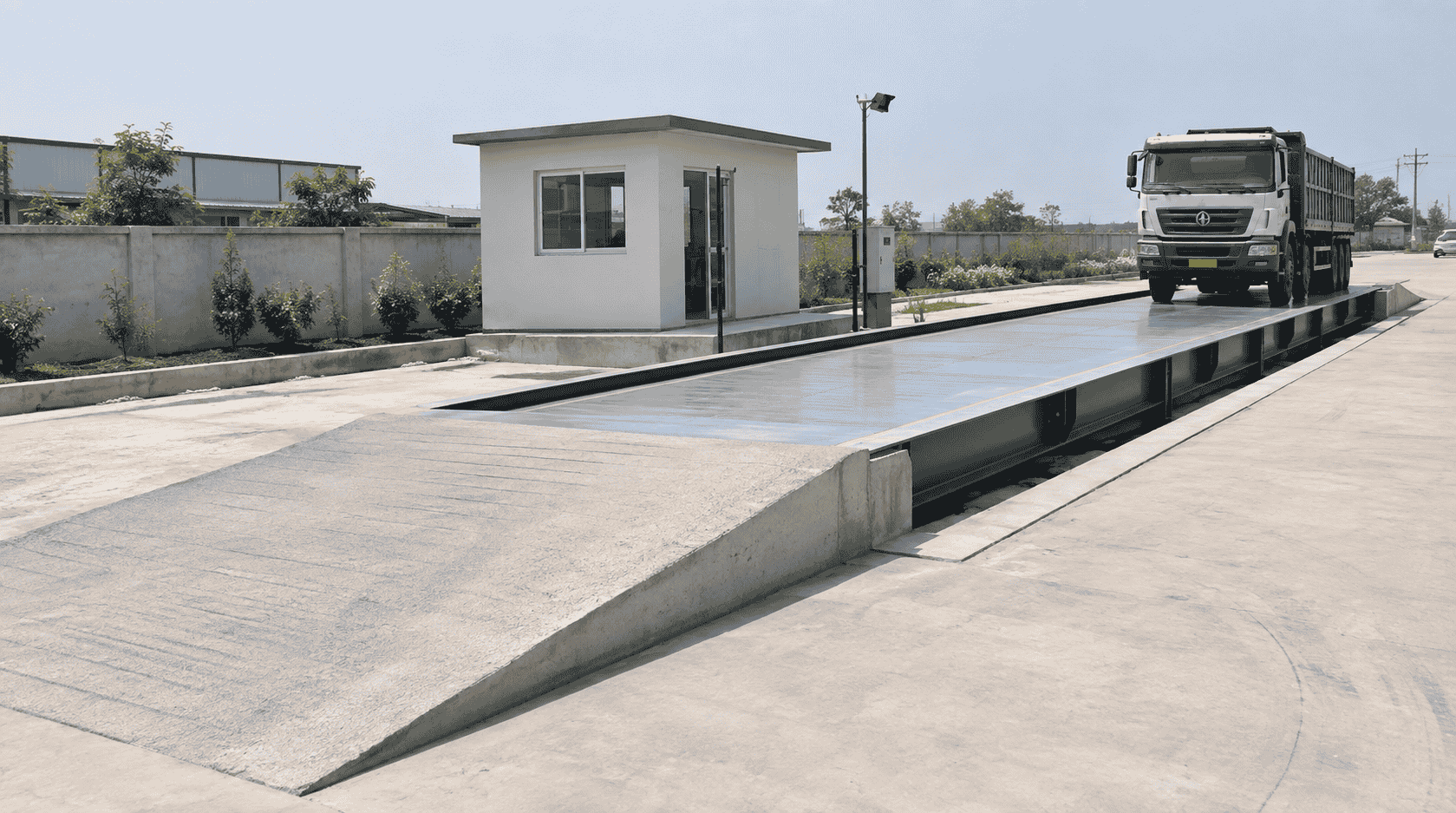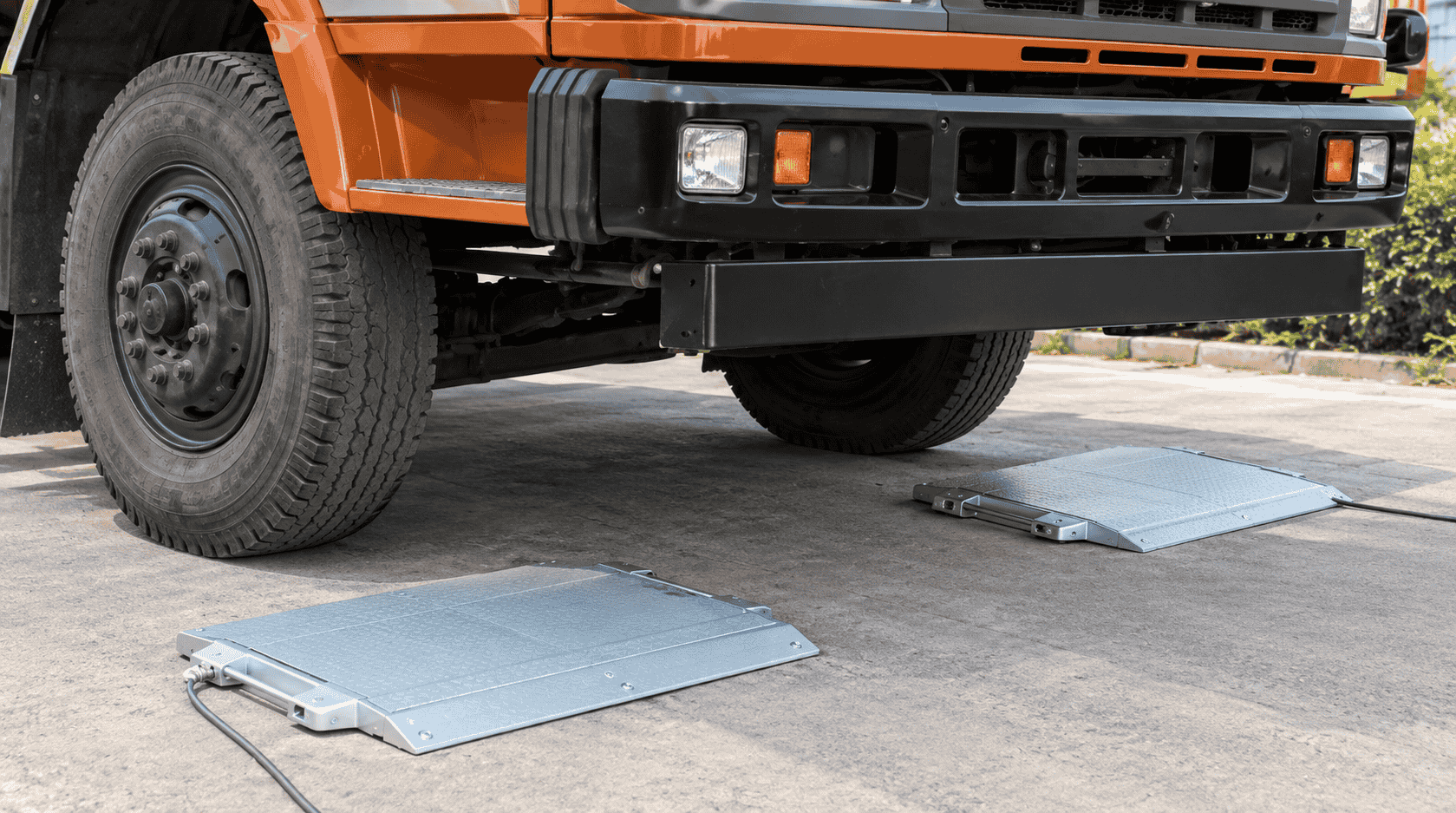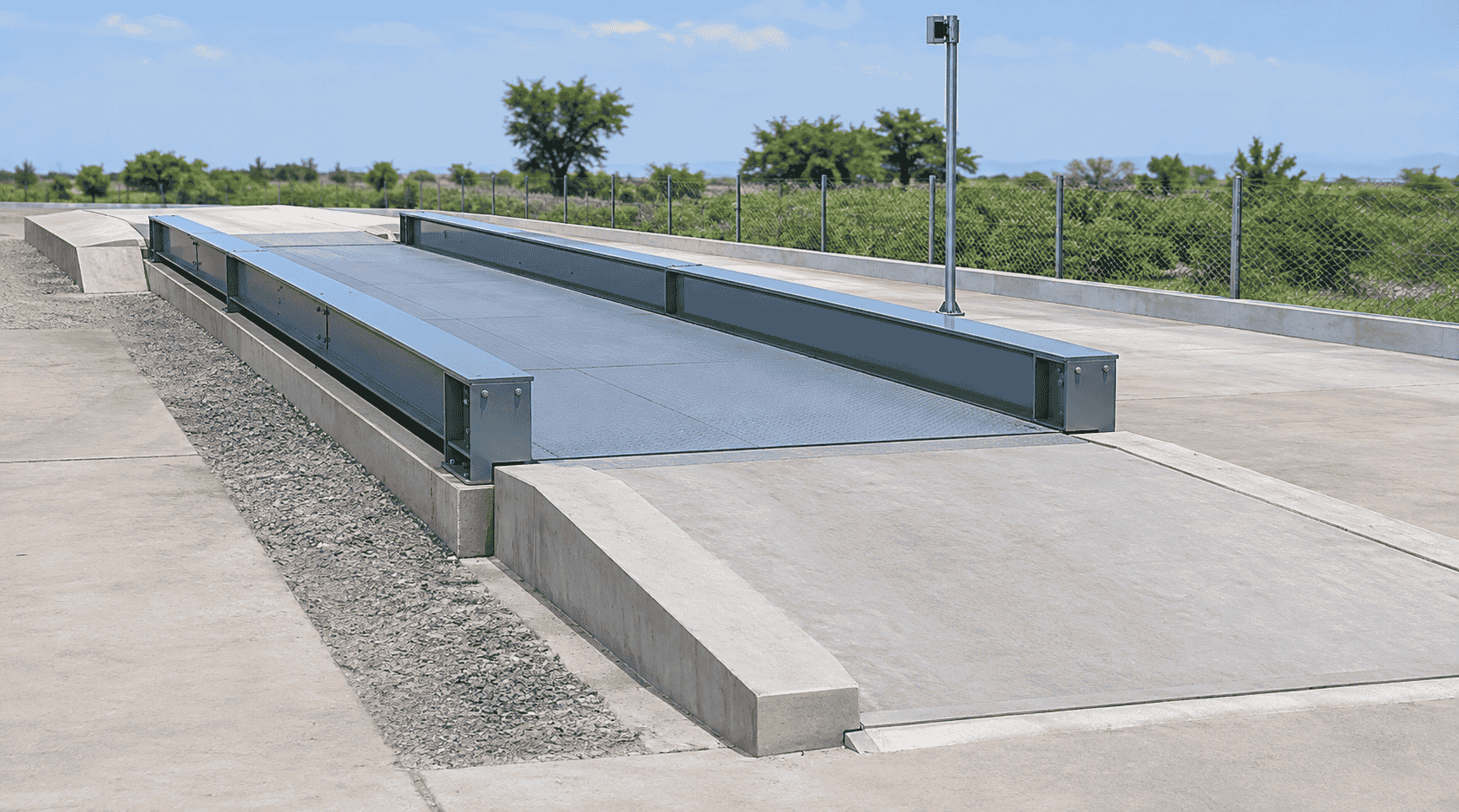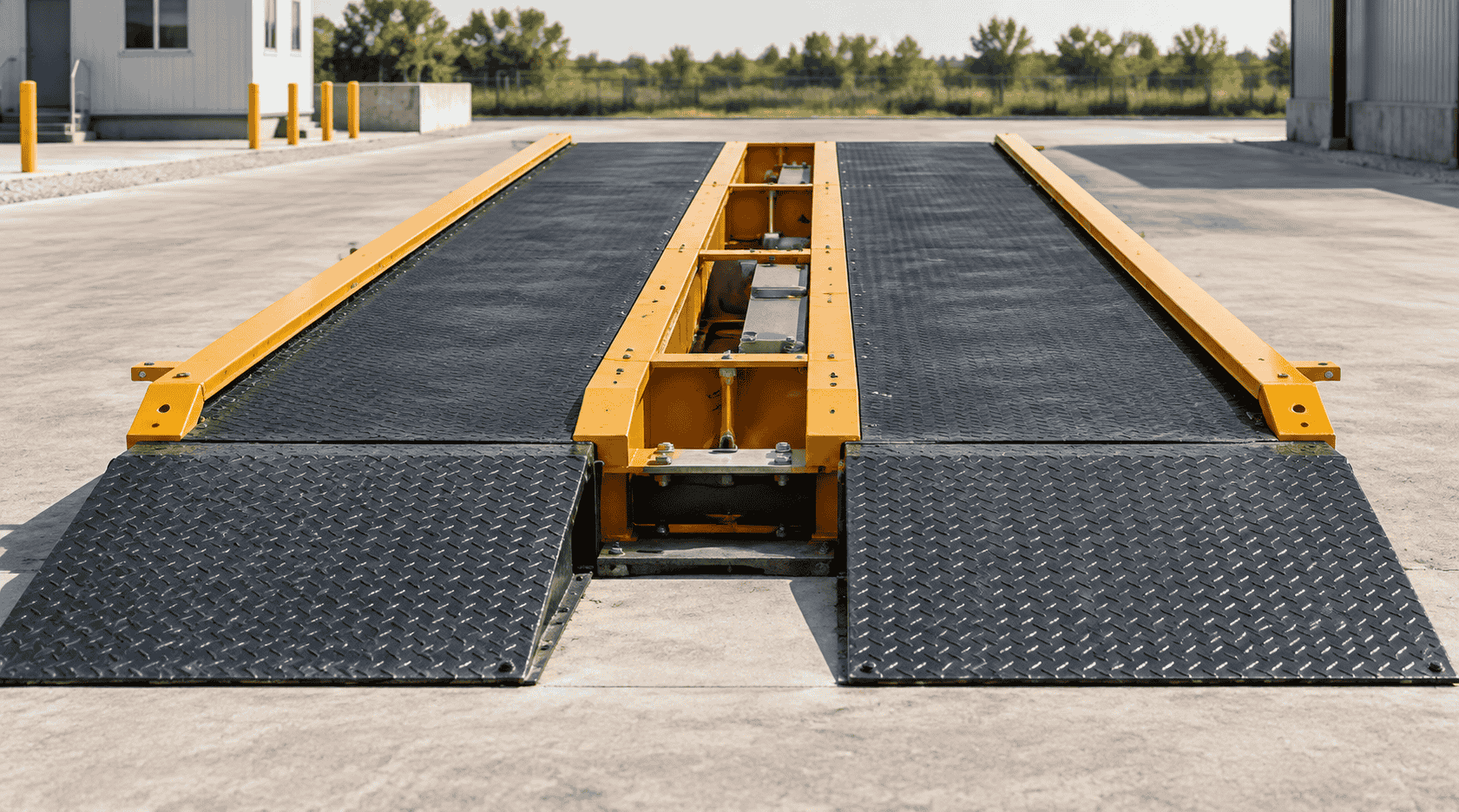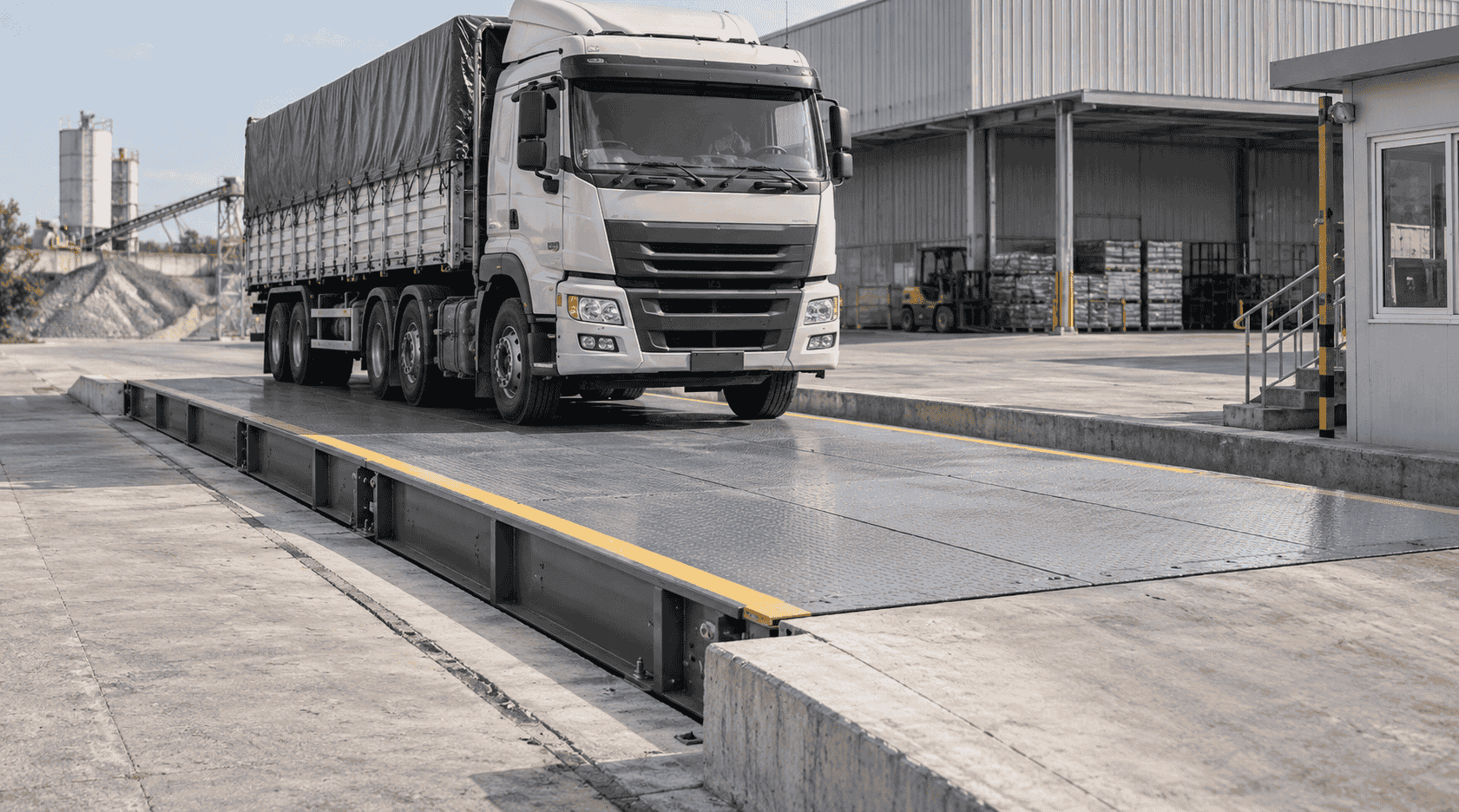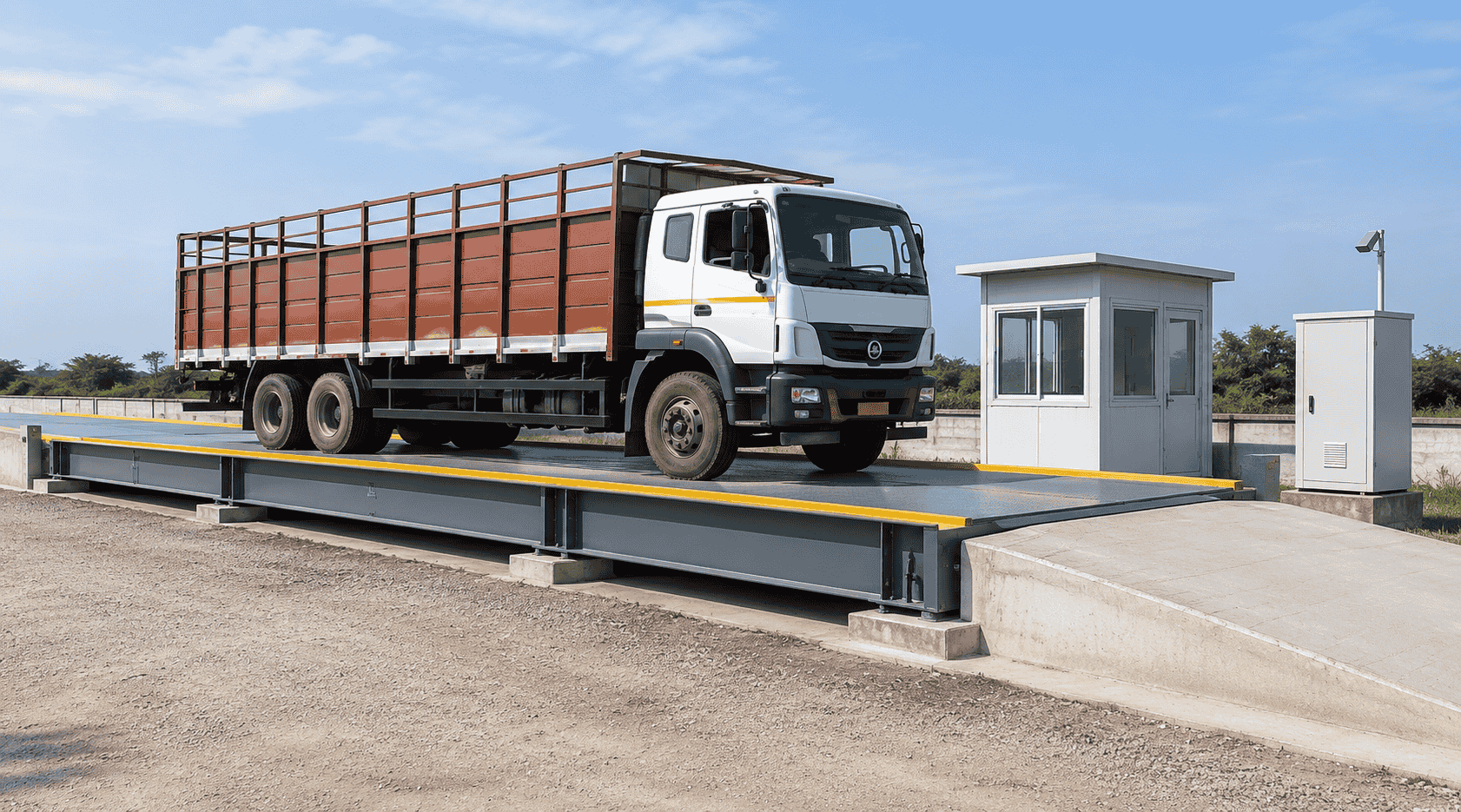
When fixed civil construction is difficult or a weighing point may need relocation, a self-contained weighbridge can simplify vehicle weighing. Exelon Weighing System supports Eritrean buyers with modular weighing solutions and manufacturing support from Ahmedabad, Gujarat, India.
When a Self-Contained Weighbridge Makes Sense for an Eritrean Site
A self-contained weighbridge integrates the weighing platform and supporting structure into a modular arrangement, reducing dependence on a conventional permanent foundation. Exelon’s product information describes its system as factory-assembled and suitable where portability, quick installation, and limited civil work are important.
This configuration can be considered for:
- Construction and infrastructure projects
- Mining and quarry operations
- Agricultural material handling
- Logistics and transport yards
- Bulk-material dispatch areas
- Temporary or changing project locations
For an importer, the main question is not simply whether the scale can weigh trucks. The site, vehicle type, operating frequency, installation conditions, and future relocation requirements should be considered together.
What Buyers Should Decide Before Requesting a Quotation
A clear requirement helps the exporter prepare a suitable configuration. Before placing an enquiry, document:
- Vehicle types: Identify the trucks, trailers, tankers, or other vehicles expected to use the platform.
- Maximum loaded weight: Base the capacity requirement on the heaviest vehicle expected during normal operation.
- Platform dimensions: Consider vehicle length, wheel arrangement, turning space, and approach movement.
- Operating frequency: A busy dispatch yard may require a different operating arrangement from a temporary project site.
- Site condition: Confirm whether a firm, level surface or another prepared base is available.
- Relocation requirement: If the weighing point may move, discuss transport and reinstallation requirements before ordering.
- Data requirements: Clarify the indicator, weighing records, printing, or software requirements needed by the operation.
Avoid selecting equipment only from a quoted capacity or price. The physical site and vehicle movement pattern are equally important.
How the Weighing Arrangement Works
The basic weighing sequence is straightforward:
1 Step – Vehicle Approach:
The vehicle enters through the designated approach area and moves onto the weighing platform.
2 Step – Vehicle Positioning:
The driver positions the vehicle appropriately on the platform according to the supplier’s operating instructions.
3 Step – Weight Measurement:
The load applied through the vehicle is detected by the weighing system’s load cells.
4 Step – Weight Display:
The electronic indicator processes the signal and presents the measured vehicle weight.
5 Step – Record or Dispatch:
The weight can then be recorded or integrated with the site’s documentation process, depending on the selected system.
The exact electrical, software, and data-recording configuration should be confirmed with the supplier before ordering.
Site Preparation Is Still Important
“Self-contained” does not mean that the site requires no preparation. A suitable installation area remains essential for safe and stable operation.
Before shipment to Eritrea, buyers should verify:
- Ground condition and levelness
- Vehicle approach and exit space
- Drainage around the weighing area
- Clearance for turning and queuing
- Electrical availability for the selected equipment
- Protection from accidental vehicle impact
- Access for inspection and maintenance
- Space for the indicator or control equipment
Foundationless and modular weighbridge designs commonly use a prepared hard, level surface rather than a conventional deep foundation.
The actual preparation requirements should be finalized from the supplier’s installation drawing rather than assumed from the product name.
Practical Checks for Operation and Maintenance
Regular inspection helps identify mechanical or electrical issues before they affect weighing operations.
Operators can include the following in routine checks:
- Keep the platform and surrounding area free from accumulated material.
- Check for visible structural damage or loose components.
- Inspect approach areas for settlement or uneven surfaces.
- Keep water and debris from obstructing critical areas.
- Observe unusual movement or unstable readings.
- Check cables and accessible electrical connections for visible damage.
- Follow the manufacturer’s recommendations for inspection and servicing.
- Keep suitable replacement components available when continuous operation is important.
Maintenance frequency should be established according to operating conditions and the supplier’s recommendations rather than using an arbitrary fixed interval.
Troubleshooting Starts With the Site and Weighing Conditions
| Common Issue | Possible Cause | Practical Check |
| Unstable weight reading | Vehicle movement or unsuitable positioning | Ensure the vehicle is properly positioned and stationary |
| Weight does not display | Power or connection issue | Check the indicator’s power and visible connections |
| Repeatedly different readings | Platform obstruction or site condition | Inspect the platform and surrounding area |
| Vehicle contacts the approach area | Incorrect alignment or insufficient space | Review approach geometry and vehicle movement |
| Platform area accumulates debris | Poor housekeeping | Clean the area and maintain clear movement around the platform |
If an issue continues, the system should be checked by qualified technical personnel rather than attempting unsafe repairs.
Quality Checks Before Importing a Weighbridge
For an Eritrean buyer, supplier evaluation should cover the complete equipment package rather than only the platform.
Ask for confirmation of:
- Platform dimensions and proposed configuration
- Rated weighing capacity
- Structural construction details
- Load-cell arrangement
- Indicator and control equipment
- Installation requirements
- Electrical requirements
- Foundation or prepared-surface requirements
- Testing and inspection documentation
- Packing and export arrangements
- Spare-parts availability
- Installation or commissioning assistance
- Technical support after delivery
For an overseas purchase, it is also useful to agree in writing on the scope of supply. This avoids confusion about civil work, electrical work, unloading, installation, commissioning, and local site responsibilities.
Services
- Requirement assessment and weighbridge configuration guidance
- Project planning for site layout and installation requirements
- Manufacturing and export preparation
- Installation, commissioning, and technical support assistance
Location
Self-contained weighing systems can be relevant to logistics, construction, mining, agriculture, and material-handling operations across Eritrea, including Asmara, Massawa, Assab, Keren, Mendefera, Dekemhare, Adi Keyh, Senafe, Barentu, Teseney, Akordat, Ghinda, Nakfa, Adi Quala, Dbarwa, Segheneiti, Nefasit, Foro, Edd, Ghindae, Mai-Mine, Areza, Afabet, Tessenei, and Hagaz.
Planning the Eritrean Requirement With Exelon Weighing System
Exelon Weighing System provides weighbridge solutions from its manufacturing base in Ahmedabad, Gujarat, India. For an Eritrean project, the requirement can be discussed around vehicle type, weighing capacity, platform arrangement, site conditions, installation planning, and operational needs.
The company’s website, truckscale.in, can be used to review its weighing-system offerings and initiate a product enquiry. Final configuration and installation requirements should be confirmed according to the individual project.
Frequently Asked Questions
Q: What should an Eritrean buyer provide when requesting a weighbridge quotation?
A: Provide vehicle types, maximum loaded weight, required platform dimensions, expected weighing frequency, site conditions, and data-recording requirements. This gives the supplier enough information to discuss a suitable configuration.
Q: Does a self-contained weighbridge require site preparation?
A: Yes. Although the system can reduce conventional foundation work, the installation area still needs suitable preparation. Surface condition, levelness, drainage, access, and vehicle movement should be reviewed beforehand.
Q: Can the weighbridge be considered for a temporary project site?
A: Its modular and self-contained arrangement can be useful where portability or future relocation is part of the requirement. The expected relocation method and site conditions should be discussed before purchase.
Q: What maintenance information should be requested from the exporter?
A: Buyers should request operating, inspection, maintenance, and troubleshooting guidance, along with information about recommended spare parts and technical support.
Conclusion
For Eritrean operations requiring flexible truck weighing, a self-contained configuration can reduce dependence on extensive permanent civil construction while supporting easier site planning. Buyers should verify capacity, platform dimensions, ground conditions, controls, documentation, and service arrangements with Exelon Weighing System before ordering.
Contact Exelon Weighing System to discuss your Eritrean weighbridge requirement, site conditions, configuration, project planning, and technical support.
CALL US:
(+91) 990 407 8662
(+91) 990 407 8664
MAIL US:
sales@ewsindia.net
For further details, please feel free to contact us.
View Product: Click Here