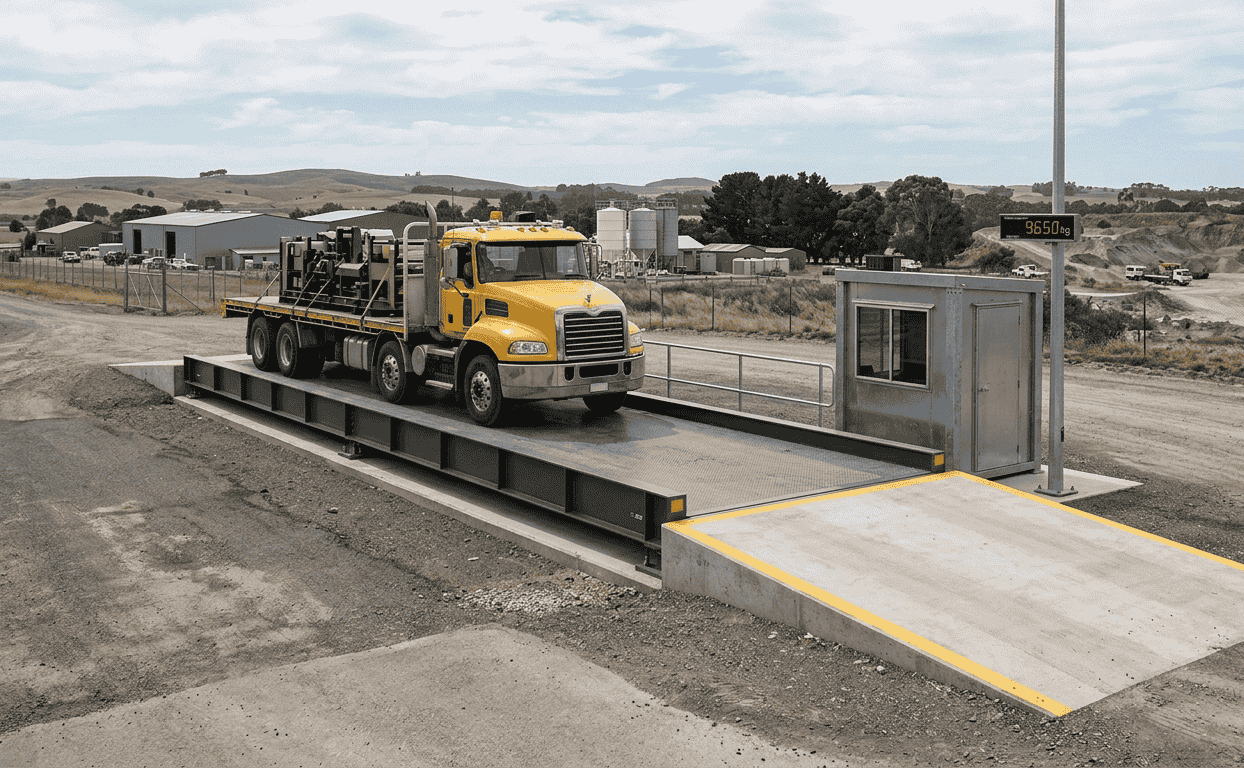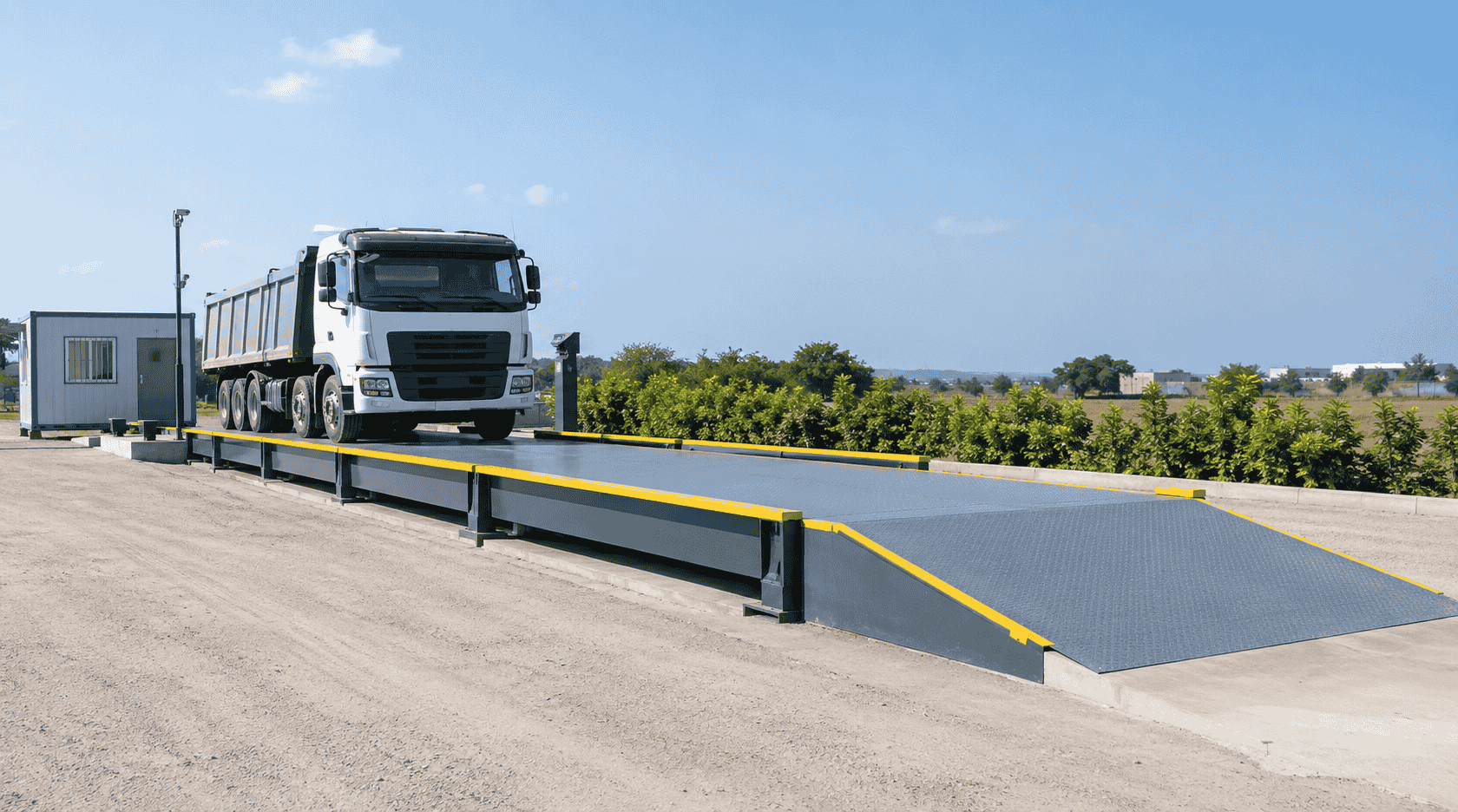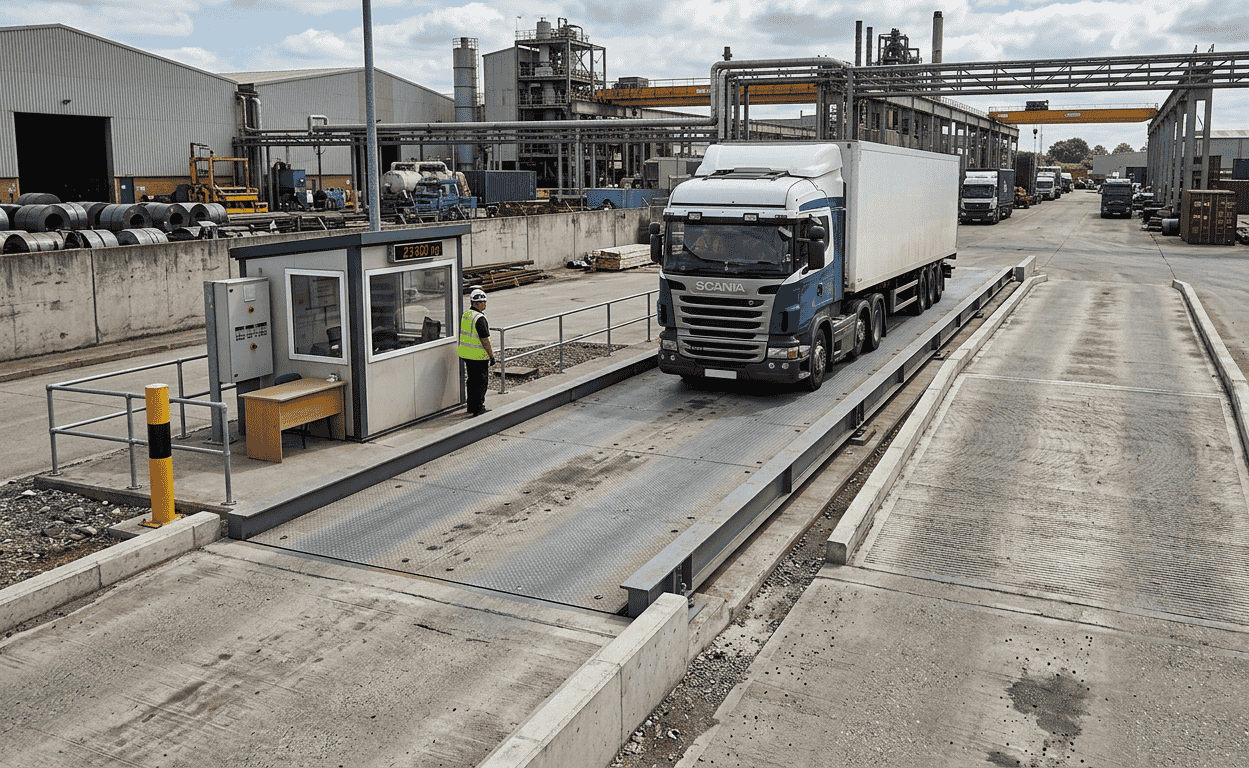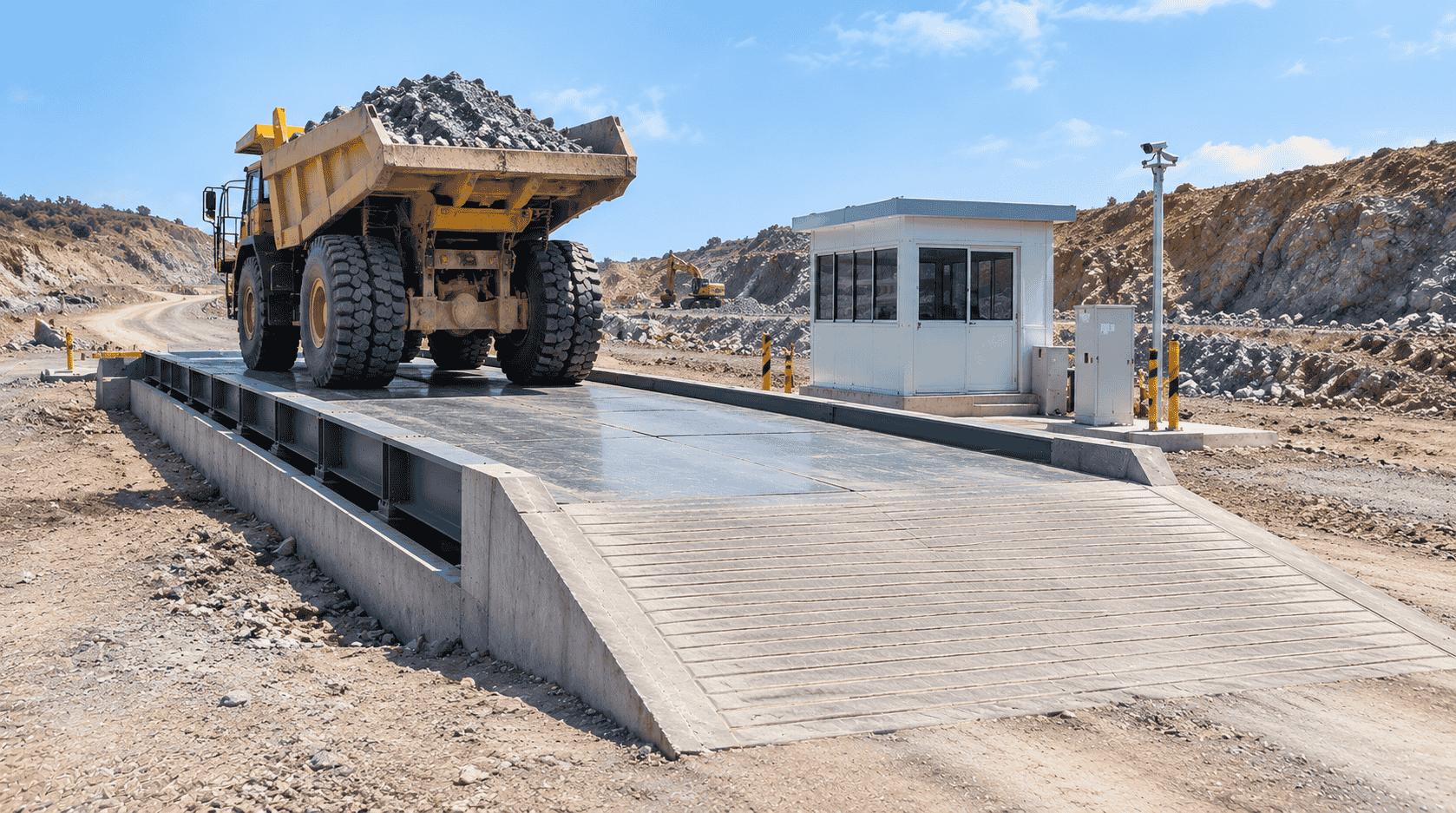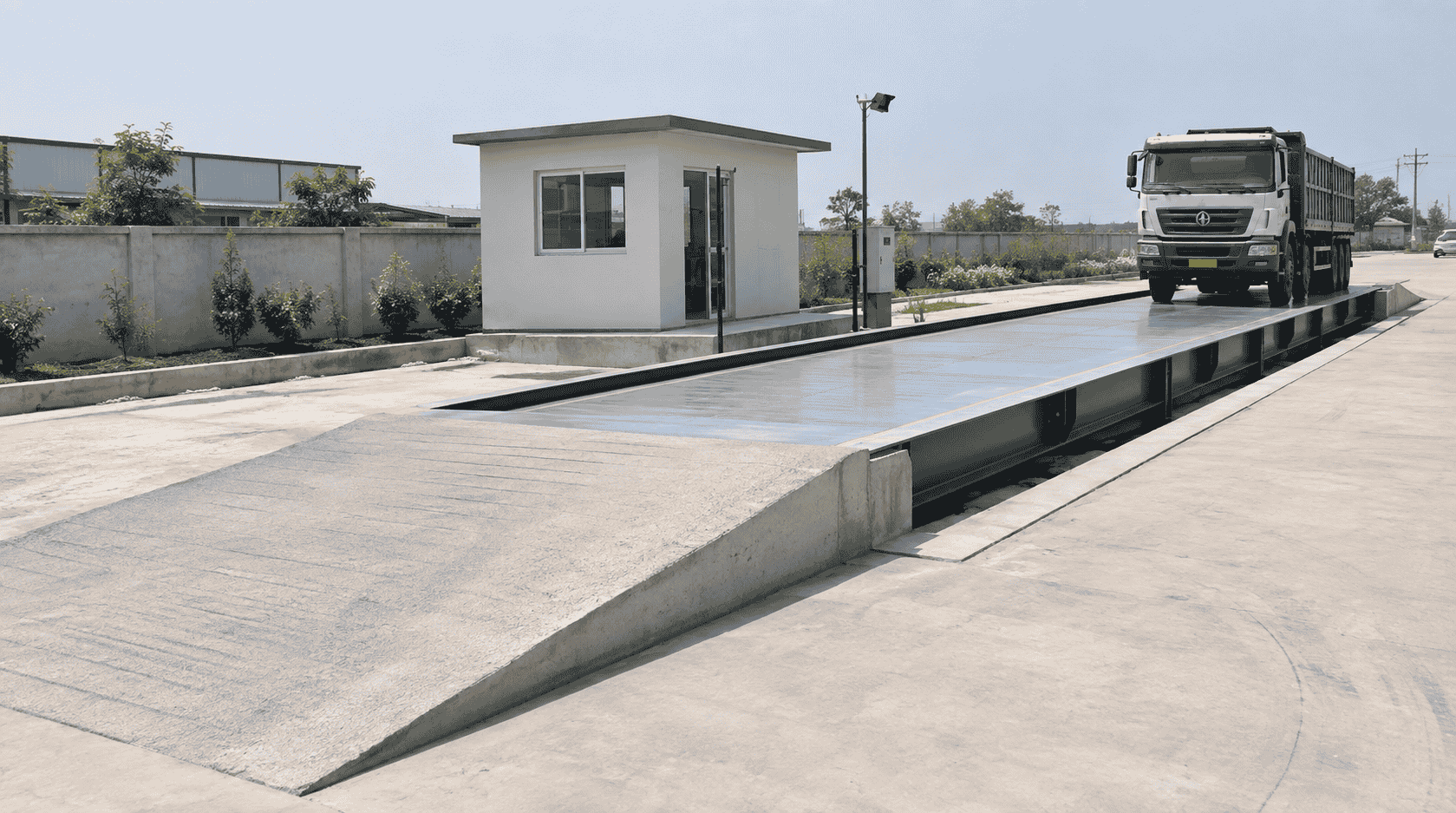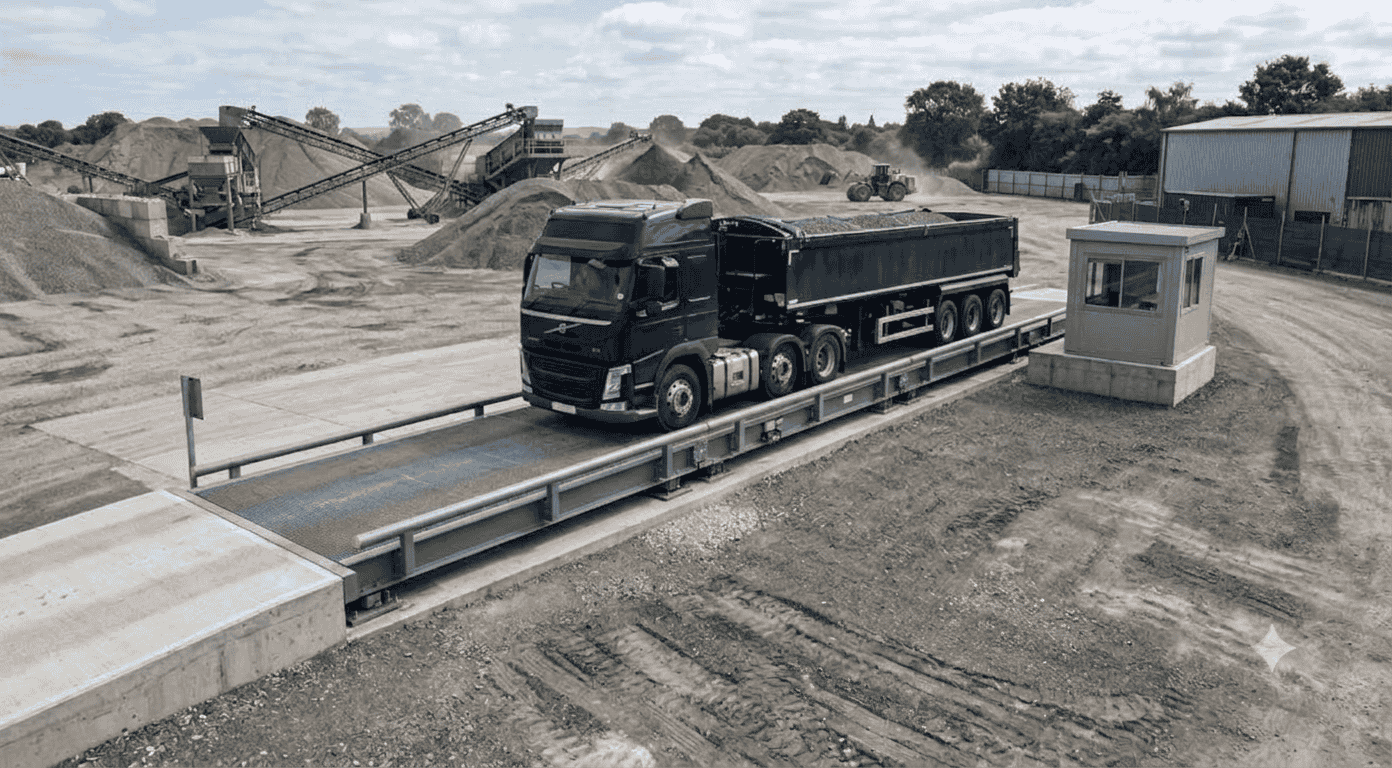
Selecting the right weighbridge is essential for accurate truck weighing, reliable dispatch records, and efficient material movement. Businesses in India can evaluate a Modular U Type Weighbridge based on vehicle loads, site conditions, traffic volume, and operational requirements with support from Exelon Weighing System.
Understanding the Modular U Type Weighbridge Design
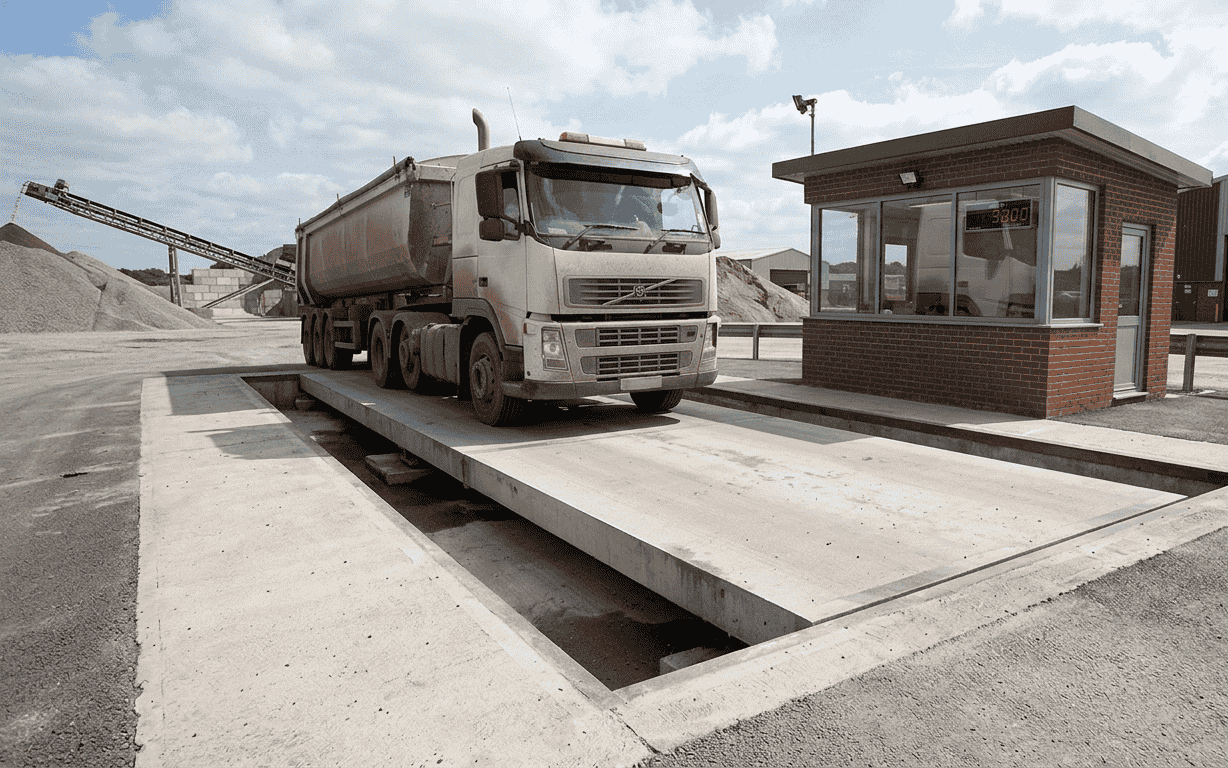
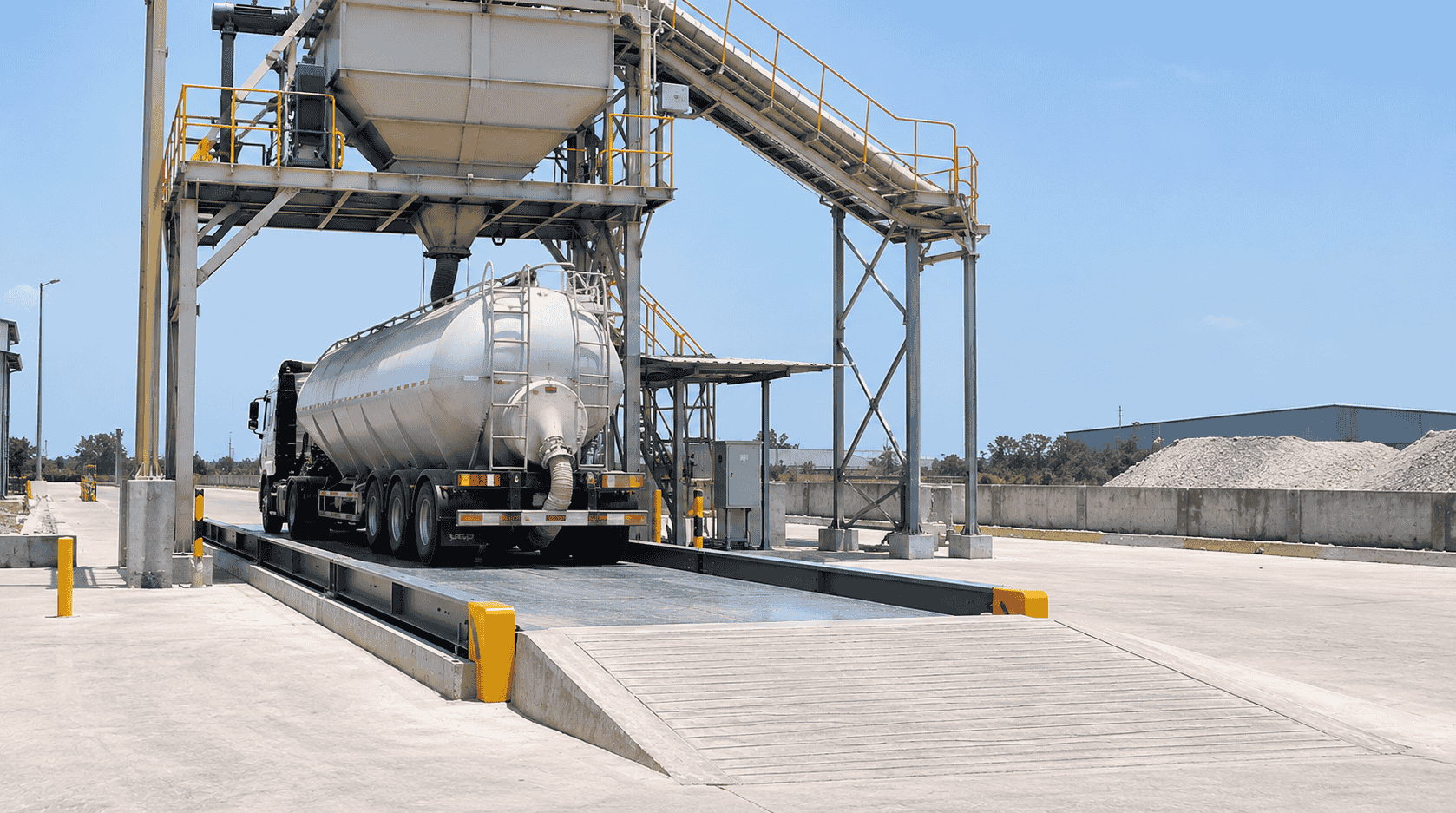
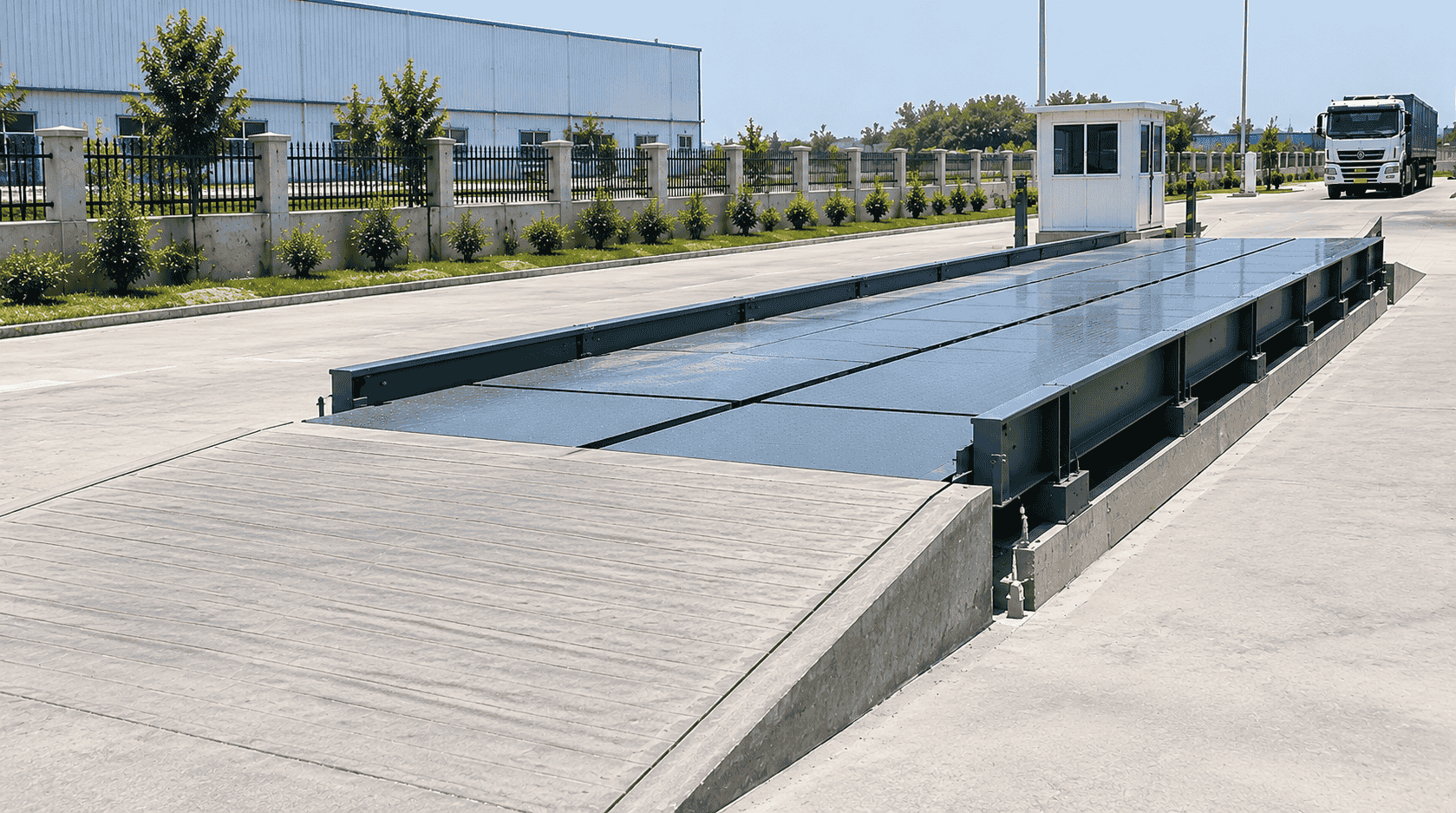
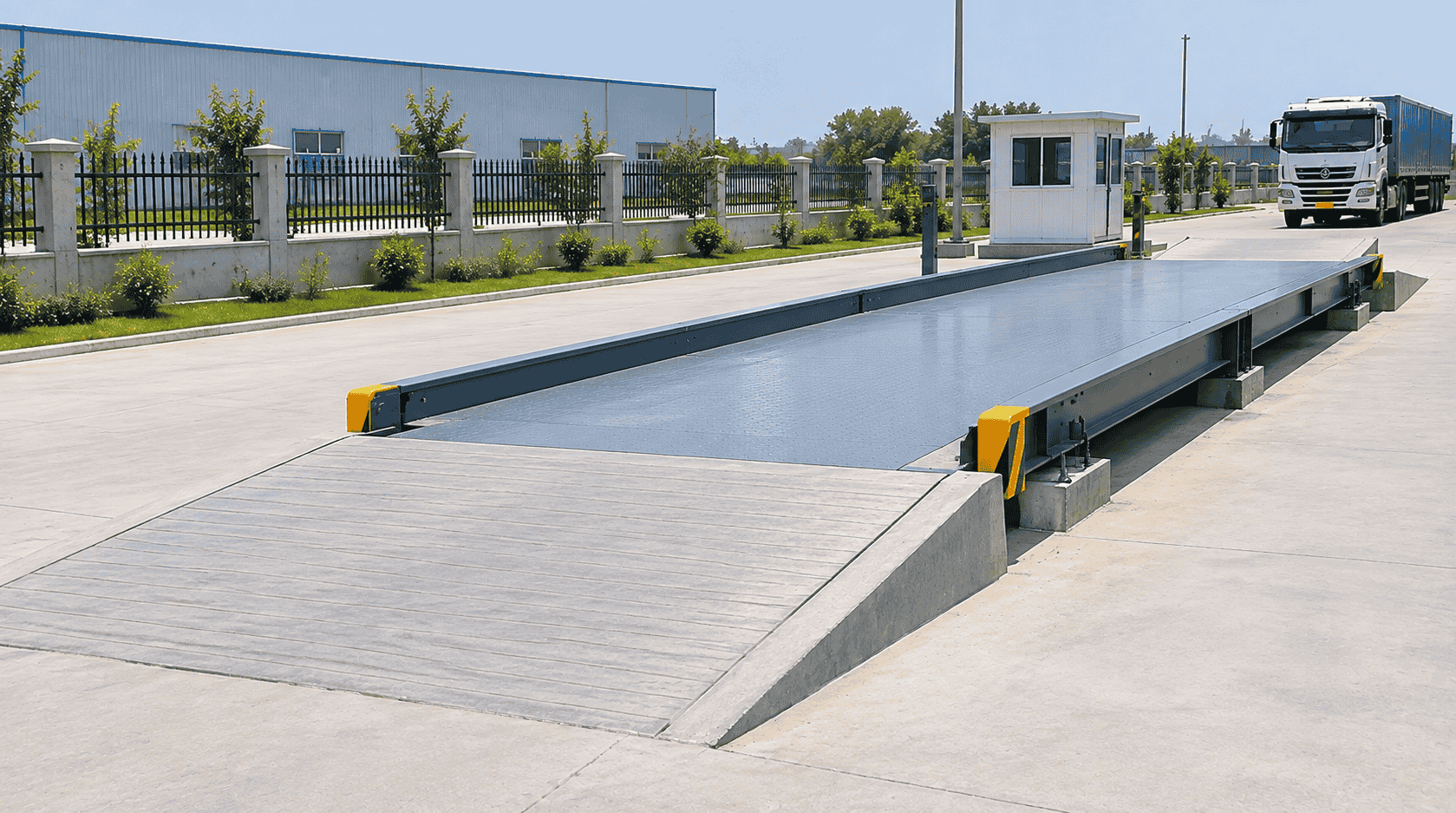
A Modular U Type Weighbridge is a truck-weighing system designed to measure the gross weight of heavy vehicles and, when tare weight is available, calculate the net weight of transported material. Its modular platform construction can support project-specific layouts and installation planning.
The U-shaped structural arrangement is associated with an orthotropic deck design, in which the deck structure distributes vehicle loads through engineered structural elements. The actual design, load capacity, and platform configuration should be confirmed with the supplier.
This type of weighing system may be considered by businesses that handle frequent truck movements, bulk materials, raw material deliveries, or finished goods dispatches. It can help maintain weight records for inventory control, billing, logistics, and vehicle-load monitoring.
Key Factors to Evaluate Before Selecting Your Weighbridge
Choosing a weighbridge involves more than comparing maximum capacity or initial price. The system must suit the vehicles, weighing frequency, available space, and operating environment.
| Selection factor | What to evaluate |
| Maximum weighing capacity | Consider the heaviest fully loaded vehicle and the applicable operating requirements. |
| Platform dimensions | Match the length and width to the longest and widest vehicles using the facility. |
| Deck construction | Review the structural design, load distribution, material quality, and fabrication details. |
| Weighing accuracy | Confirm the required accuracy, verification process, and applicable legal requirements for the intended use. |
| Traffic volume | Estimate daily vehicle movements and the time needed for each weighing cycle. |
| Installation layout | Assess available land, approach roads, turning space, drainage, and foundation requirements. |
| Data management | Determine whether you need printed receipts, computer records, vehicle identification, or integration with existing software. |
| Maintenance access | Check access to load cells, junction boxes, cables, and other serviceable components. |
Before requesting a quotation, prepare a list of vehicle types, typical and maximum gross weights, daily weighing transactions, and the site’s installation constraints.
How Heavy Vehicle Weighing Works in Daily Operations
A properly configured weighbridge combines a structural platform, load cells, a weight indicator, and associated electrical or digital components. The platform transfers the vehicle load to the load cells, which produce signals that the weighing system converts into a displayed weight.
Step 1: Position the vehicle
The driver follows the designated approach lane and brings the vehicle fully onto the platform. Wheels must remain within the intended weighing area, and the vehicle should be positioned according to the operating procedure.
Step 2: Stabilize the vehicle
The vehicle is brought to a complete stop. Operators follow the system’s instructions and ensure that the weighing area is clear of conditions that could interfere with a stable reading.
Step 3: Record the weight
The load cells measure the applied load, and the indicator displays the vehicle’s gross weight. The operator records the reading using the applicable weighing and documentation process.
Step 4: Calculate the net material weight
If the vehicle’s tare weight is known and valid for the transaction, the net material weight can be calculated:
Net weight = Gross weight − Tare weight
For example, a gross weight of 32,000 kg and a tare weight of 12,000 kg produce a net material weight of 20,000 kg.
Step 5: Complete the transaction
The operator saves the required information, issues a receipt if configured, and directs the vehicle away from the platform. Where required, the recorded weight can be linked to dispatch, inventory, or billing records.
Installation Planning: Prepare the Site Before Delivery
Even a well-selected weighbridge can face operational problems if the site is not prepared properly. Installation planning should cover civil work, vehicle movement, drainage, and access to weighing components.
Before installation, check the following:
- Foundation and ground conditions: Confirm the foundation or supporting surface requirements with the supplier. Do not assume every modular model can be installed on the same type of base.
- Approach and exit roads: Provide adequate space for trucks to align with the platform and move away safely.
- Drainage: Prevent water accumulation around the deck, load cells, cables, and supporting structures.
- Electrical supply: Confirm the required power supply, earthing, and protection for the indicator and related equipment.
- Testing and commissioning: Arrange for installation checks, calibration or verification as applicable, and operator training before routine use.
Exelon Weighing System describes its modular weighbridge range as suitable for installation on a smooth, hard surface, with load-cell plates resting on the supporting surface. The exact foundation requirements must still be confirmed for the selected model and site conditions.
Exelon Weighing System+1
Quality Checks and Maintenance That Protect Weighing Reliability
The performance of a truck scale depends on the structural platform, load cells, electronics, installation quality, and daily operating practices. Buyers should establish a maintenance plan before the equipment enters service.
What to verify before placing an order
- Structural drawings and platform dimensions match the approved project requirements.
- Deck material, beam construction, weld quality, and protective finish are reviewed.
- Load-cell capacity and compatibility are confirmed for the intended system.
- The indicator, junction box, cables, and software meet operational needs.
- The supplier explains commissioning, calibration or verification, documentation, and warranty terms.
- Replacement components and technical support arrangements are clearly defined.
Routine maintenance practices
- Keep the platform and surrounding area free from debris and material buildup.
- Inspect for visible damage, corrosion, loose connections, and cable wear.
- Check for unusual weight fluctuations or inconsistent readings.
- Arrange periodic inspection and calibration or verification according to operating conditions and applicable requirements.
- Contact a qualified service technician if readings become unstable or the system displays a fault.
For commercial transactions where legal-for-trade weighing applies, confirm the applicable local requirements with the relevant authority. Maintenance alone does not establish that a weighing instrument meets legal requirements.
Customization for Different Heavy-Vehicle Operations
The appropriate configuration depends on the vehicle fleet and the work performed at the site. A weighbridge serving a mining operation may have different loading patterns and environmental challenges from one installed at a warehouse or manufacturing plant.
When discussing a Modular U Type Weighbridge with a supplier, consider:
- Vehicle mix: Rigid trucks, multi-axle vehicles, trailers, and other vehicles may require different platform dimensions and load assessments.
- Traffic conditions: High transaction volumes may justify software-based records, vehicle identification, or automated entry controls.
- Operating environment: Dust, rain, vibration, and corrosive materials can influence component protection and maintenance planning.
- Future requirements: Expected increases in vehicle size, payload, or daily transactions should be considered before finalizing the design.
- Available space: The deck, approach lanes, turning radius, and supporting structures must work together within the site layout.
Ask for a written technical proposal showing the proposed capacity, dimensions, deck arrangement, weighing electronics, and installation scope. Confirm which options are available for the selected model rather than assuming every configuration is standard.
Services
- Weighbridge requirement assessment and product consultation.
- Modular weighbridge selection and installation planning.
- Installation, commissioning, and weighing-system coordination.
- Technical assistance, maintenance guidance, and spare-parts support.
Location: Industrial Weighbridge Requirements Across India
Industries across India use heavy vehicles to move raw materials, finished goods, aggregates, agricultural produce, and bulk commodities. Selecting a suitable truck-weighing system can help businesses maintain weight records and manage dispatch operations. Relevant industrial and commercial locations include Ahmedabad, Vadodara, Surat, Rajkot, Gandhinagar, Bharuch, Ankleshwar, Vapi, Mumbai, Pune, Nashik, Nagpur, Chhatrapati Sambhajinagar, Indore, Bhopal, Jaipur, Udaipur, Delhi, Faridabad, Gurugram, Ludhiana, Jamshedpur, Raipur, Hyderabad, and Bengaluru.
How Exelon Weighing System Supports Your Selection Process
Selecting the right weighing equipment requires clear technical information, not just a price quotation. Exelon Weighing System offers industrial weighing solutions, including modular weighbridges, truck scales, weighing electronics, and automation-related products. Its website also describes installation and service support.
With manufacturing support from Ahmedabad, Gujarat, India, the company can be approached to discuss vehicle requirements, site conditions, platform configuration, and weighing-system needs.
Visit truckscale.in to review the company’s product range and contact its team for details about the appropriate model, technical specifications, installation requirements, and after-sales support.
Frequently Asked Questions
Q: How do I choose the right capacity for a Modular U Type Weighbridge?
A: Start with the maximum gross weight of the heaviest vehicle expected at your site, including its payload. Confirm the required capacity and axle-load suitability with the supplier before finalizing the model.
Q: Can a modular weighbridge be installed without a conventional deep pit?
A: Some modular designs can be installed above ground on a suitable prepared surface. Foundation, access-ramp, drainage, and load-cell support requirements depend on the specific model and site conditions.
Q: How can I maintain consistent weighing results?
A: Keep the platform clean, inspect the load cells and electrical connections, and investigate unstable readings promptly. Schedule calibration or verification as required by the application and applicable regulations.
Q: What information should I share when requesting a weighbridge quotation?
A: Provide vehicle dimensions, maximum gross weight, expected daily weighing volume, available installation space, preferred data-recording options, and site conditions. This helps the supplier assess the appropriate configuration.
Conclusion
Selecting a Modular U Type Weighbridge for heavy vehicle weighing requires careful evaluation of capacity, platform dimensions, structural design, installation conditions, and maintenance needs. Businesses across India can discuss these requirements with Exelon Weighing System, supported by manufacturing operations in Ahmedabad, Gujarat, to identify a suitable weighing solution.
Contact Exelon Weighing System through truckscale.in to discuss your heavy-vehicle weighing requirements and request technical guidance.
CALL US:
(+91) 990 407 8662
(+91) 990 407 8664
MAIL US:
sales@ewsindia.net
For further details, please feel free to contact us.