Businesses in Morocco need dependable vehicle weighing systems to manage truckloads, monitor material movement, and improve dispatch accuracy. An RCC Weighbridge Exporter to Morocco, such as Exelon Weighing System, can help buyers evaluate suitable weighbridge solutions for their operational requirements.
How an RCC Weighbridge Supports Heavy Vehicle Weighing
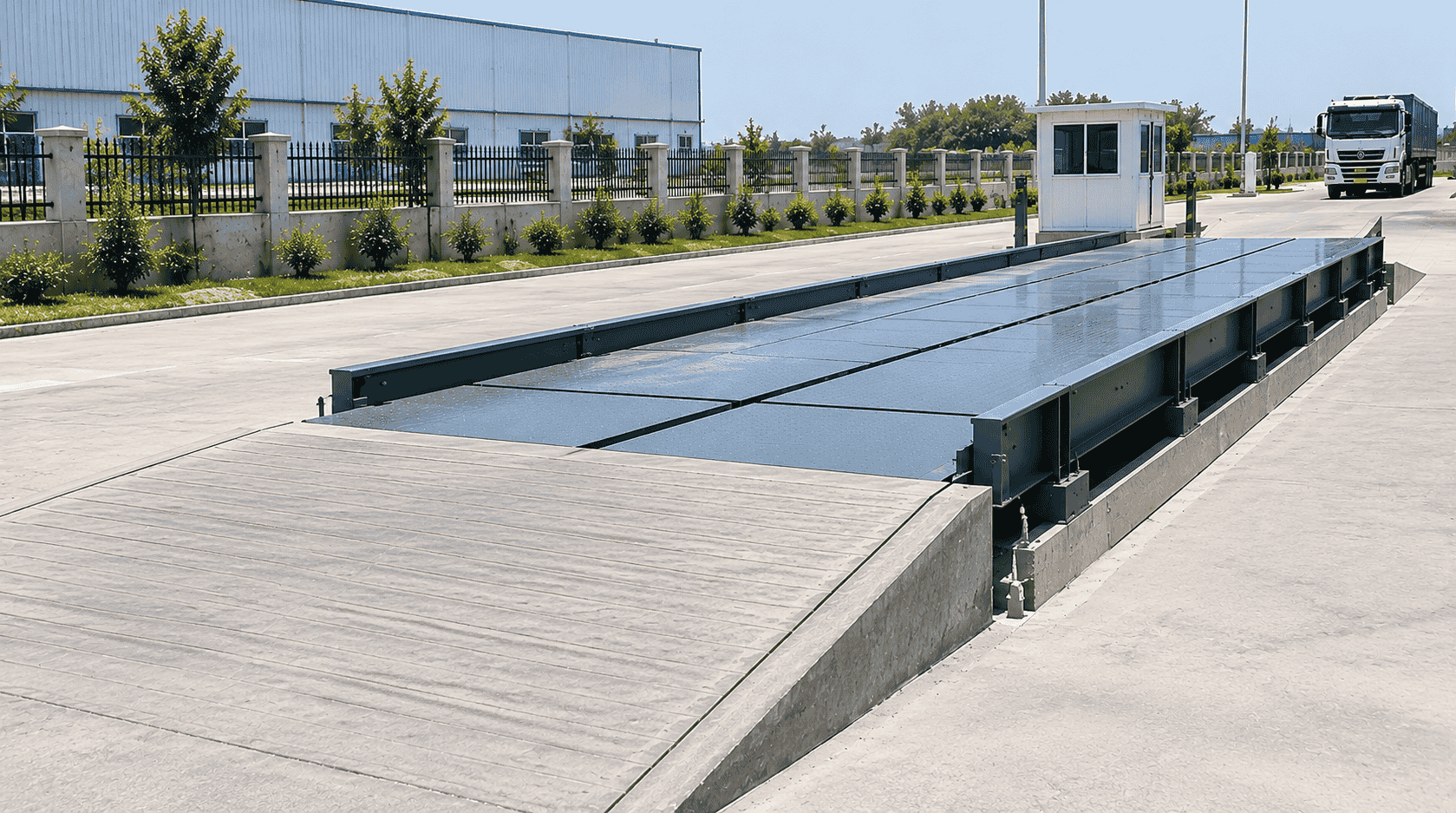
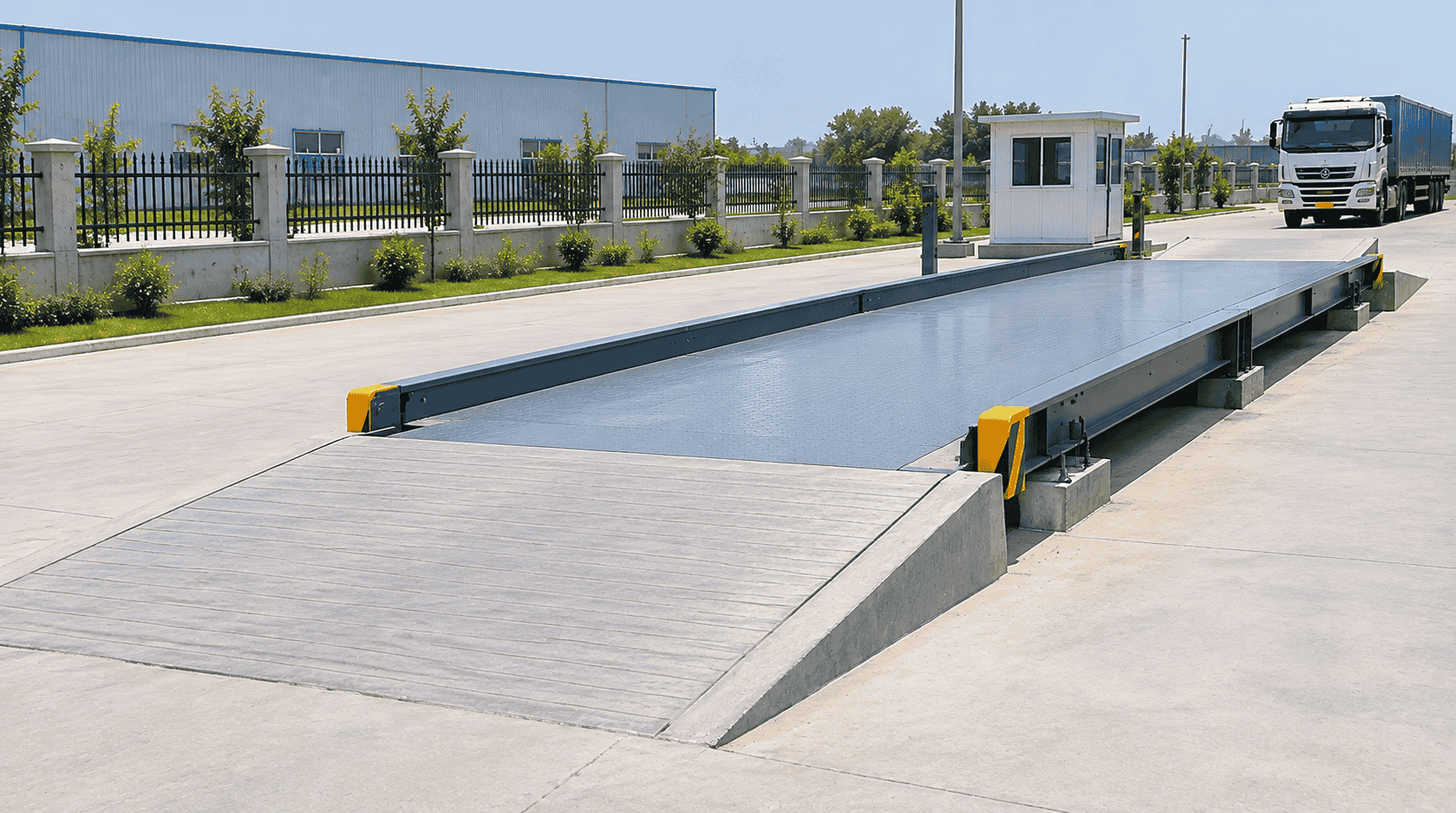
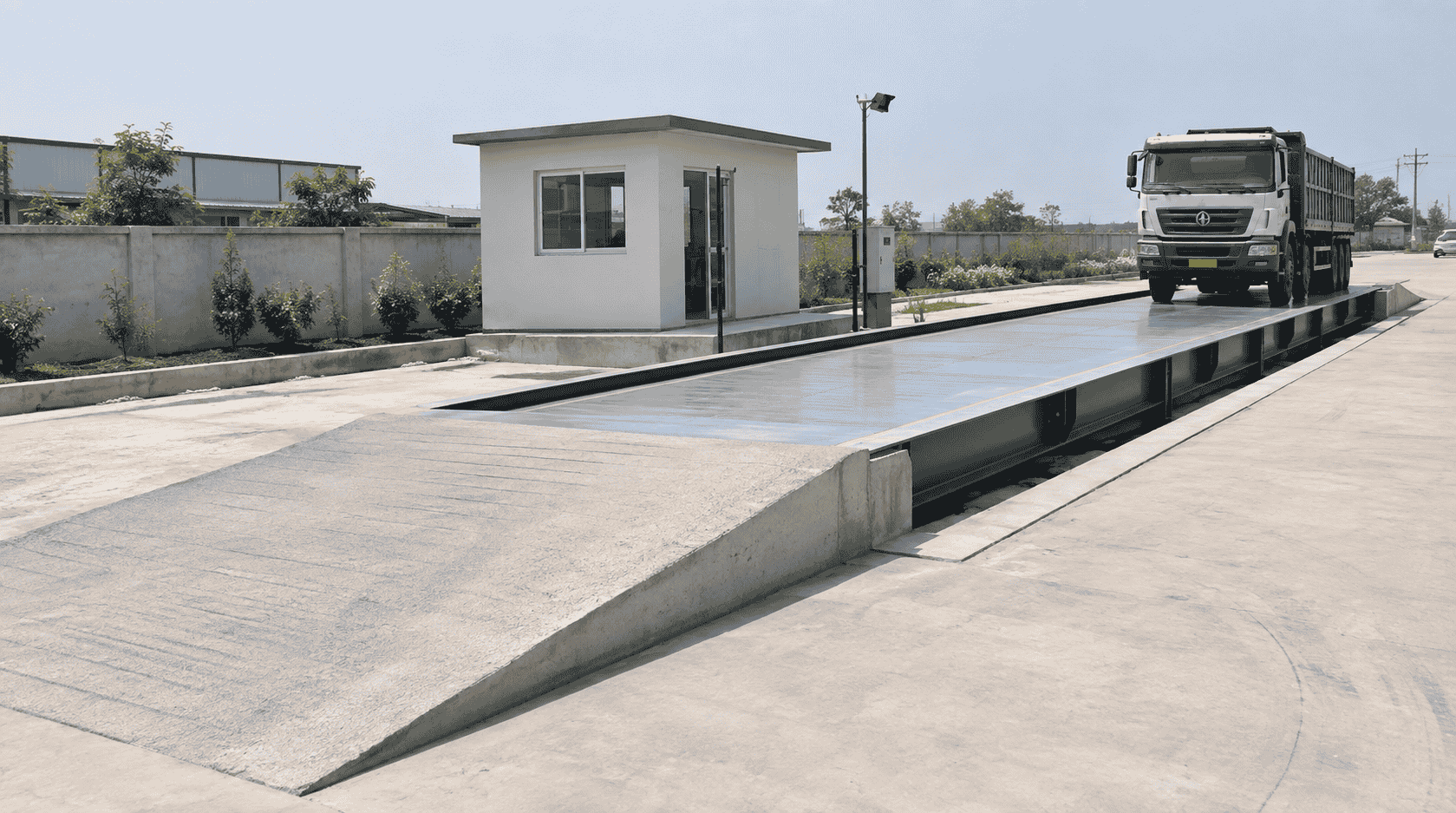
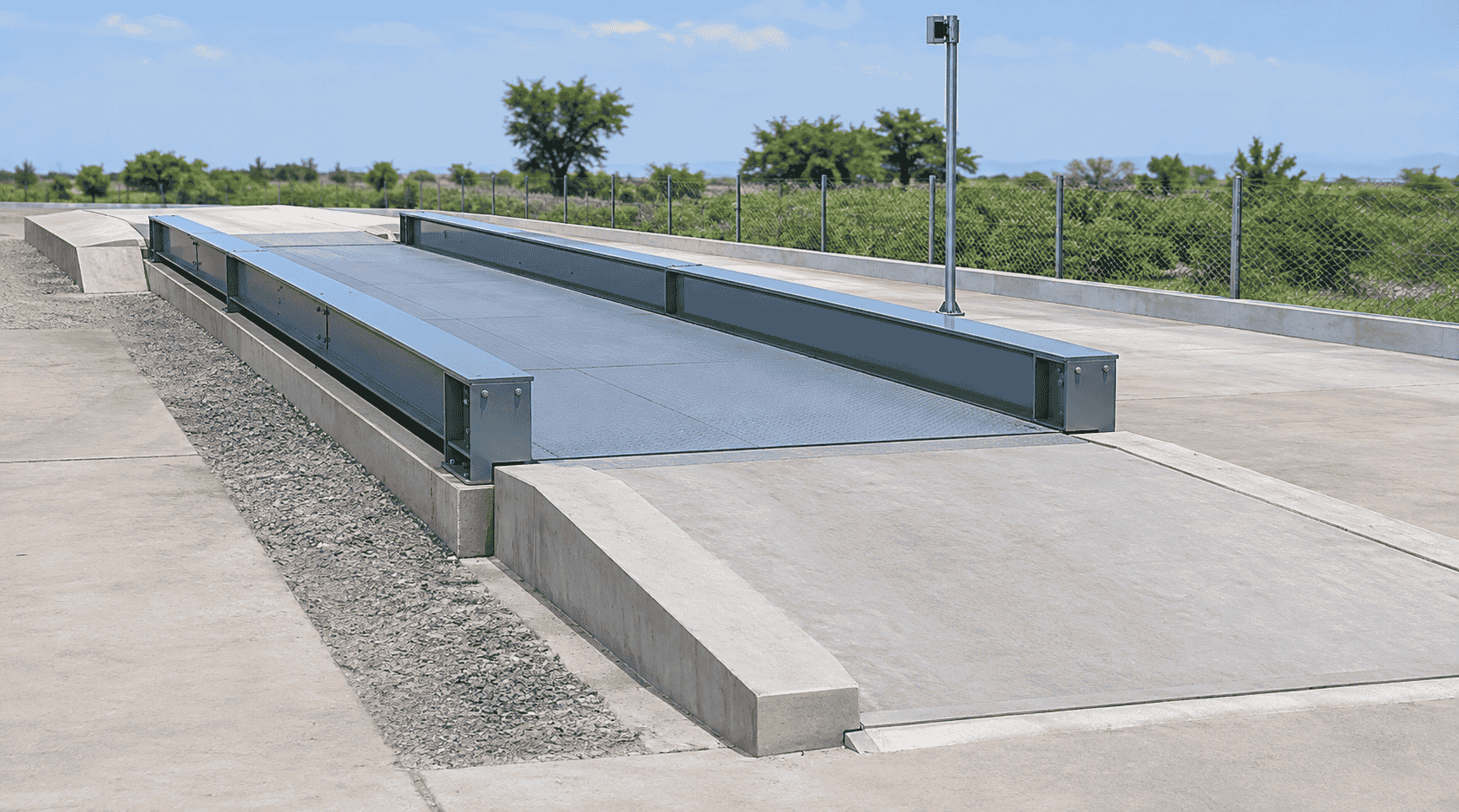
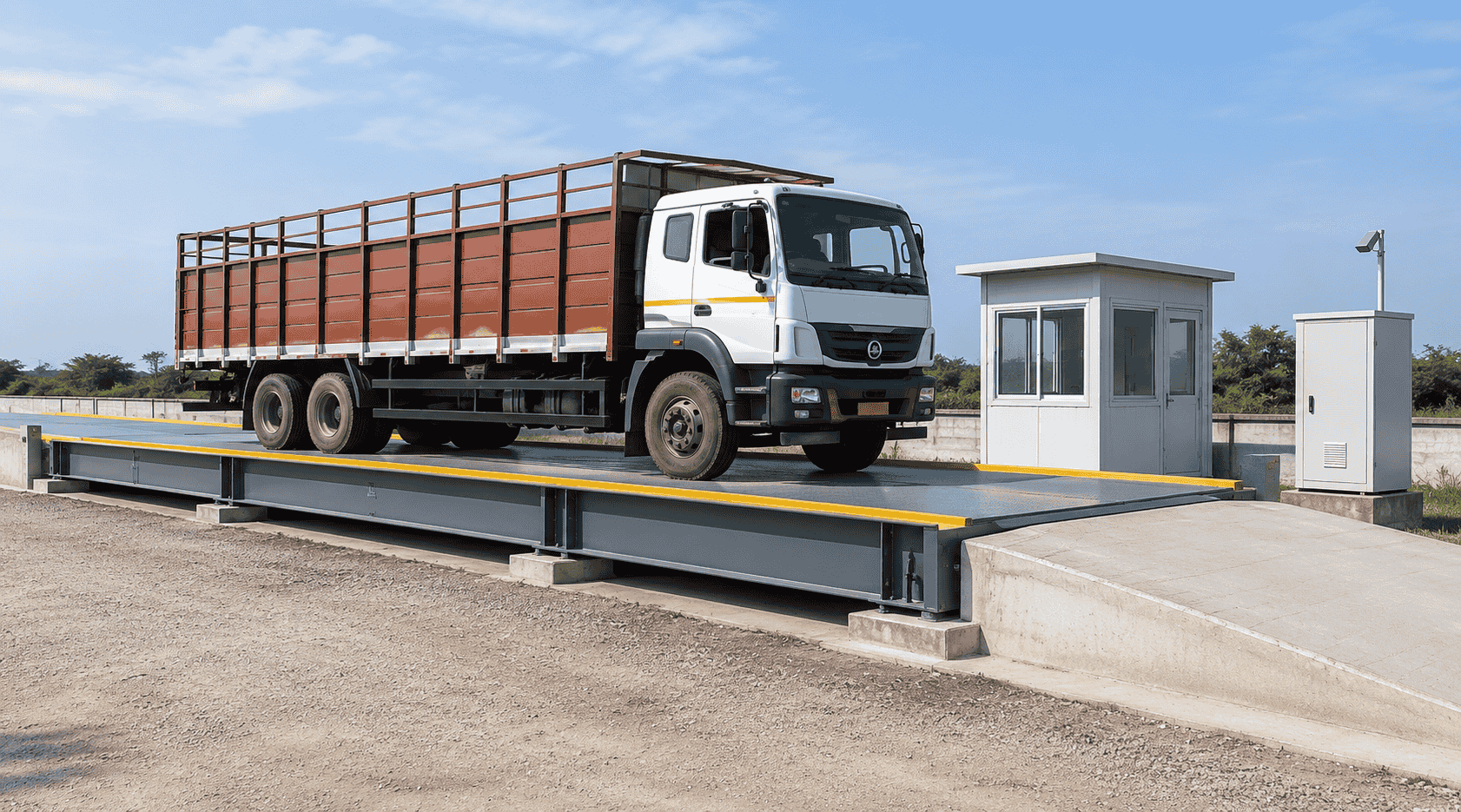
A reinforced cement concrete (RCC) weighbridge is a truck weighing system designed to measure the weight of loaded and unloaded vehicles. Its concrete deck provides a permanent weighing platform suitable for industrial locations with regular heavy vehicle movement.
For businesses handling bulk materials, minerals, construction supplies, agricultural commodities, or industrial goods, accurate truck weighing helps maintain shipment records and control material quantities.
An RCC weighbridge can be considered for locations such as:
- Mining and mineral processing facilities
- Cement and construction material plants
- Warehouses and logistics terminals
- Agricultural storage and distribution centres
- Manufacturing and industrial facilities
For Moroccan businesses planning a new weighing facility, the choice should depend on vehicle traffic, site conditions, required weighing capacity, and the available installation area.
Choosing the Right RCC Weighbridge for Your Site
Before purchasing from an RCC Weighbridge Exporter to Morocco, buyers should evaluate the complete operating environment rather than selecting equipment based only on its maximum capacity.
| Selection factor | What buyers should evaluate |
| Weighing capacity | Maximum loaded truck weight and expected vehicle types |
| Platform dimensions | Truck length, wheelbase, and vehicle approach requirements |
| Foundation design | Soil conditions, drainage, and civil construction requirements |
| Weighing system | Load cells, junction box, indicator, and associated electronics |
| Traffic frequency | Number of vehicles weighed during each shift |
| Software requirements | Weighing records, reports, and integration with existing systems |
| Site environment | Dust, moisture, temperature, and exposure to industrial conditions |
| Maintenance access | Availability of space for inspection and servicing |
A site survey and engineering review can help determine the appropriate platform layout and foundation arrangement. Buyers should also account for local construction practices and the availability of qualified installation personnel in Morocco.
From Vehicle Entry to Recorded Weight: How the System Works
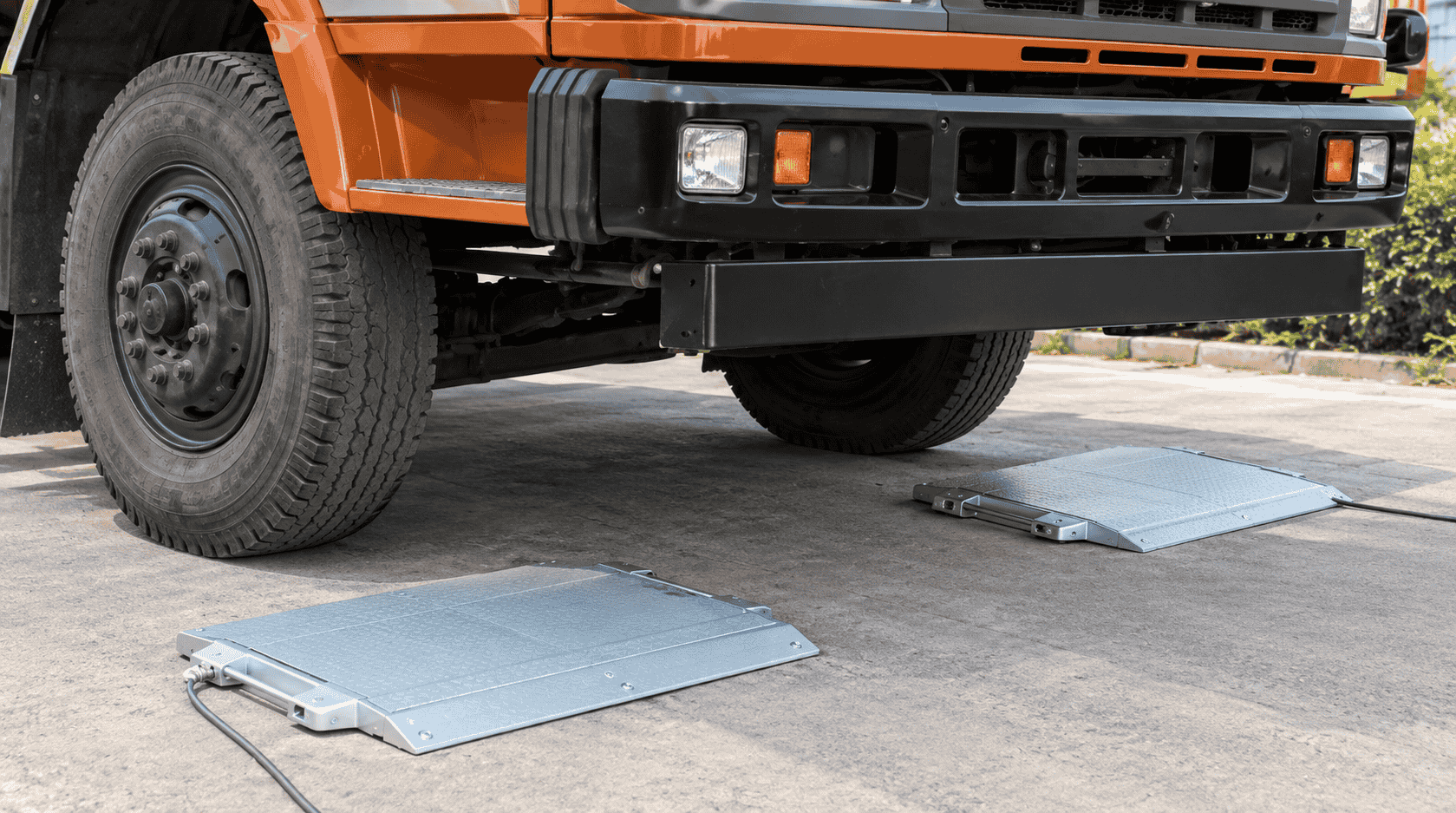
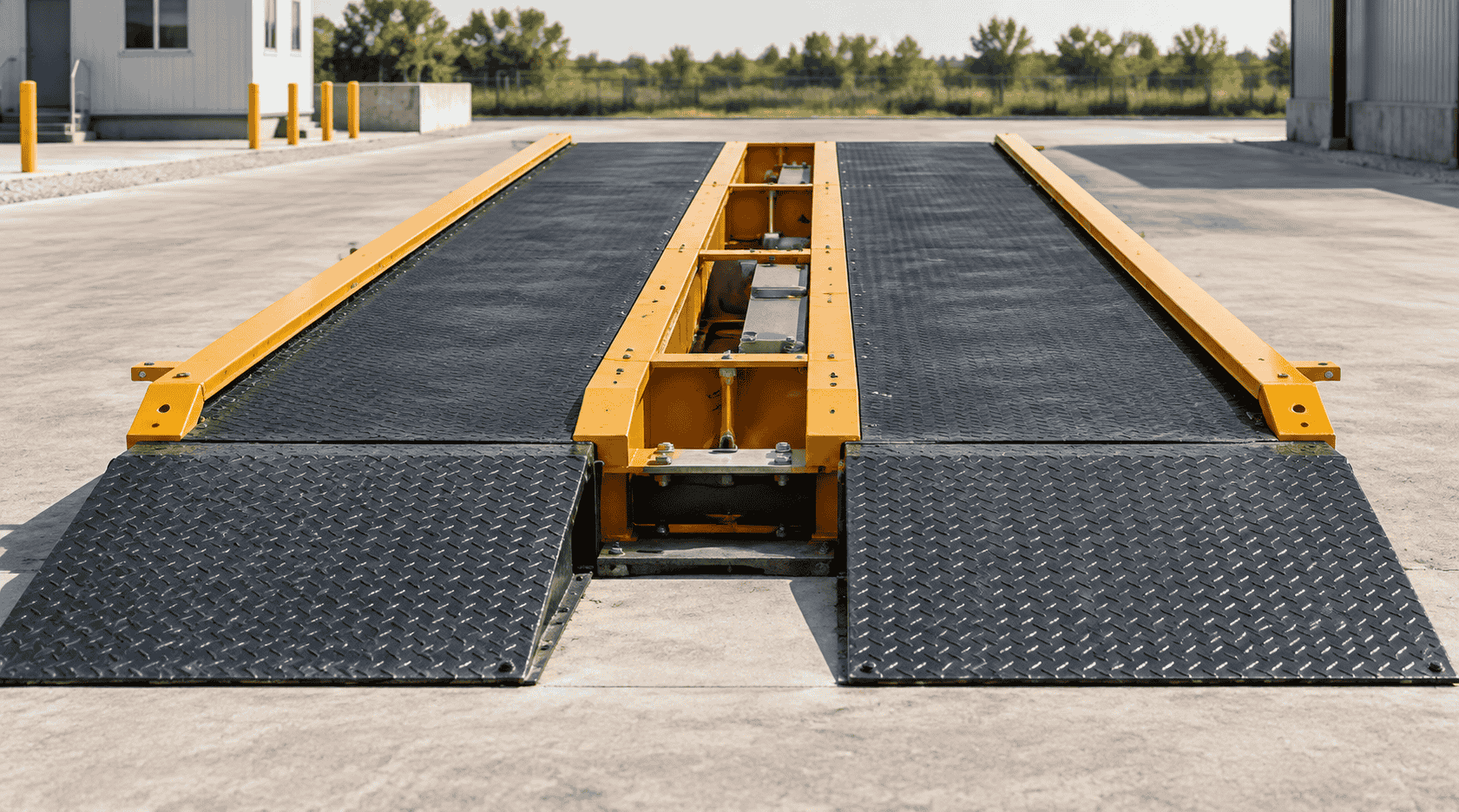
An RCC weighbridge measures vehicle weight through load cells installed beneath the weighing platform. The load cells convert the applied load into electrical signals that the weighing indicator processes into a weight reading.
1: Vehicle positioning
The truck approaches the platform using the designated access ramp and stops within the prescribed weighing area.
2: Load measurement
The load cells detect the force applied by the vehicle and transmit signals to the weighing electronics.
3: Weight display
The weighing indicator processes the signals and displays the measured vehicle weight.
4: Recording and verification
Depending on the installed software, the operator can record vehicle details, transaction time, gross weight, and other required information.
5: Loaded and empty vehicle comparison
Where operational procedures require it, the vehicle can be weighed again after loading or unloading. The difference between gross and tare weight provides the net material weight.
Consistent vehicle positioning, proper calibration, and clear operating procedures are important for reliable weighing records.
Quality Checks Before Confirming an Export Order
When evaluating an RCC Weighbridge Exporter to Morocco, procurement teams should confirm the complete system configuration and the responsibilities associated with delivery and installation.
Important checks include:
- Platform engineering: Confirm dimensions, structural design, and suitability for the intended vehicle loads.
- Load cells and electronics: Review component specifications, compatibility, and environmental protection.
- Weighing performance: Clarify accuracy requirements, calibration procedures, and applicable local legal metrology requirements.
- Civil work: Establish who will provide foundation drawings, construction, drainage, ramps, and approach roads.
- Documentation: Request equipment drawings, operating instructions, maintenance information, and applicable test documents.
- Export logistics: Confirm packaging, shipping arrangements, delivery timelines, customs documentation, and responsibilities for import clearance.
- Service arrangements: Discuss technical assistance, spare parts, troubleshooting, and access to qualified maintenance personnel.
Adapting the Weighbridge to Project Requirements
Every industrial site has different traffic patterns and construction conditions. The weighbridge configuration should therefore be reviewed against the project’s actual requirements.
Key project considerations include the length and width of the platform, the maximum vehicle load, the number of weighing transactions, the location of the operator cabin, and the arrangement of entry and exit lanes.
An RCC platform generally involves civil construction and a defined foundation layout. Drainage provisions and access for inspection should be planned before construction begins. The installation schedule should coordinate civil work, equipment delivery, electrical connections, system testing, and final commissioning.
For projects requiring automated records, buyers can also discuss compatible weighing software, vehicle identification procedures, and reporting requirements before confirming the system configuration.
Services
- RCC weighbridge requirement assessment and system selection
- Platform configuration and project planning assistance
- Technical coordination for installation and commissioning requirements
- Guidance on maintenance planning, spare parts, and weighing system support
RCC Weighbridge Requirements Across Morocco
Morocco’s industrial, mining, agricultural, and logistics activities create demand for dependable truck weighing at material handling and distribution points. Businesses planning a new installation can assess RCC weighbridge requirements according to their site layout, vehicle movement, and cargo handling needs in Casablanca, Rabat, Tangier, Marrakech, Agadir, Fez, Meknes, Kenitra, Oujda, Tetouan, Safi, El Jadida, Mohammedia, Settat, Beni Mellal, Khouribga, Jorf Lasfar, Nador, Laayoune, Dakhla, Khemisset, Berrechid, Benguerir, Ouarzazate, and Errachidia.
Why Consider Exelon Weighing System?
Exelon Weighing System supports industrial weighing requirements through product consultation and system selection based on project needs. Buyers can discuss capacity, platform dimensions, weighing electronics, installation planning, and documentation before finalising an order.
With manufacturing support from Ahmedabad, Gujarat, India, the company can coordinate discussions around export requirements and the proposed equipment configuration. Customers can visit truckscale.in to explore its weighing solutions and enquire about requirements for projects in Morocco.
For international procurement, buyers should confirm the final technical scope, delivery terms, commissioning responsibilities, and available after-sales support before placing an order.
Frequently Asked Questions
Q: What should I consider when selecting an RCC weighbridge for Morocco?
A: Evaluate maximum vehicle loads, platform dimensions, foundation conditions, traffic volume, weighing electronics, and local compliance requirements. Export logistics and service arrangements should also be confirmed.
Q: How is the capacity of an RCC weighbridge determined?
A: Capacity depends on the heaviest vehicle expected to use the system, including its maximum loaded weight. Platform dimensions and the required weighing configuration should be assessed alongside capacity.
Q: Does an RCC weighbridge require civil construction?
A: Yes. An RCC weighbridge generally requires a suitably engineered foundation and concrete platform arrangement. Soil conditions, drainage, ramps, and access roads should be reviewed before installation.
Q: What documents should buyers request from an exporter?
A: Request technical specifications, layout and foundation drawings, operating manuals, applicable test documentation, packing details, and shipping documents. Confirm which installation and commissioning services are included.
Conclusion
Selecting an RCC weighbridge for Morocco requires careful evaluation of vehicle loads, platform dimensions, foundation conditions, weighing electronics, and export arrangements. A suitable system can support more consistent material measurement and shipment records. Exelon Weighing System offers manufacturing support from Ahmedabad, Gujarat, India, for project discussions and equipment selection.
Contact Exelon Weighing System through truckscale.in to discuss your RCC weighbridge requirements, technical specifications, and export project for Morocco.
CALL US:
(+91) 990 407 8662
(+91) 990 407 8664
MAIL US:
sales@ewsindia.net
For further details, please feel free to contact us.
View Product: Click Here