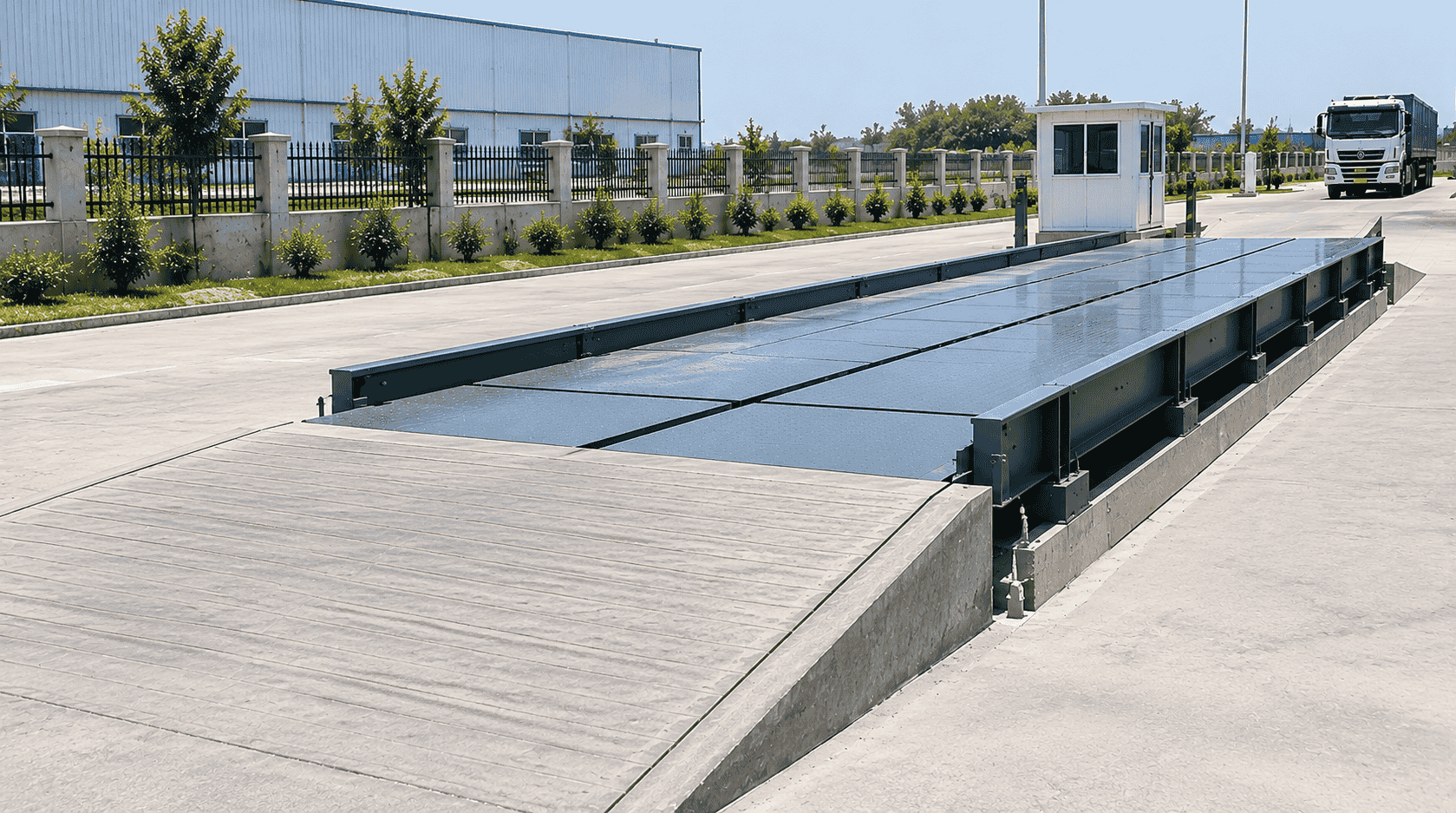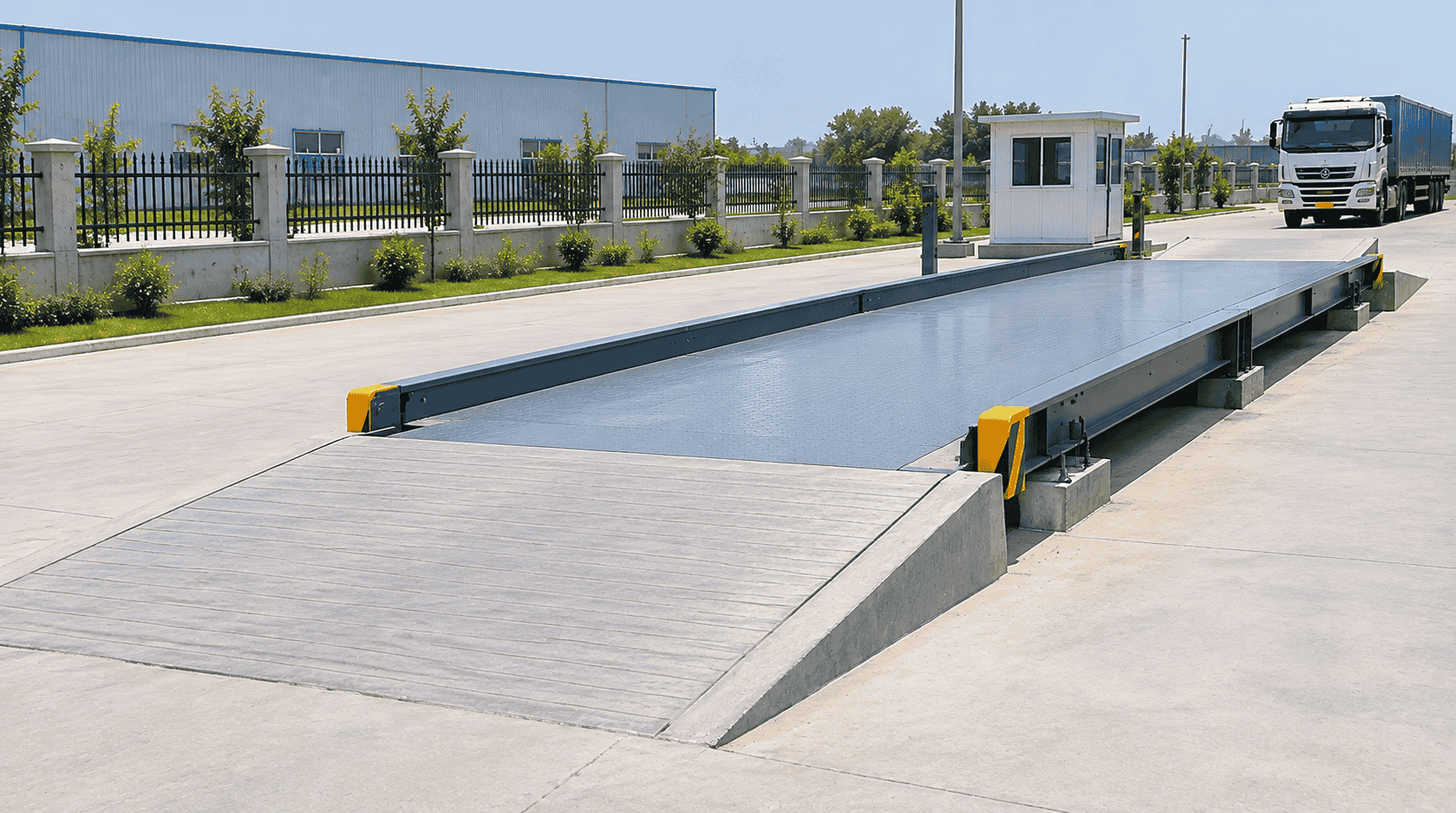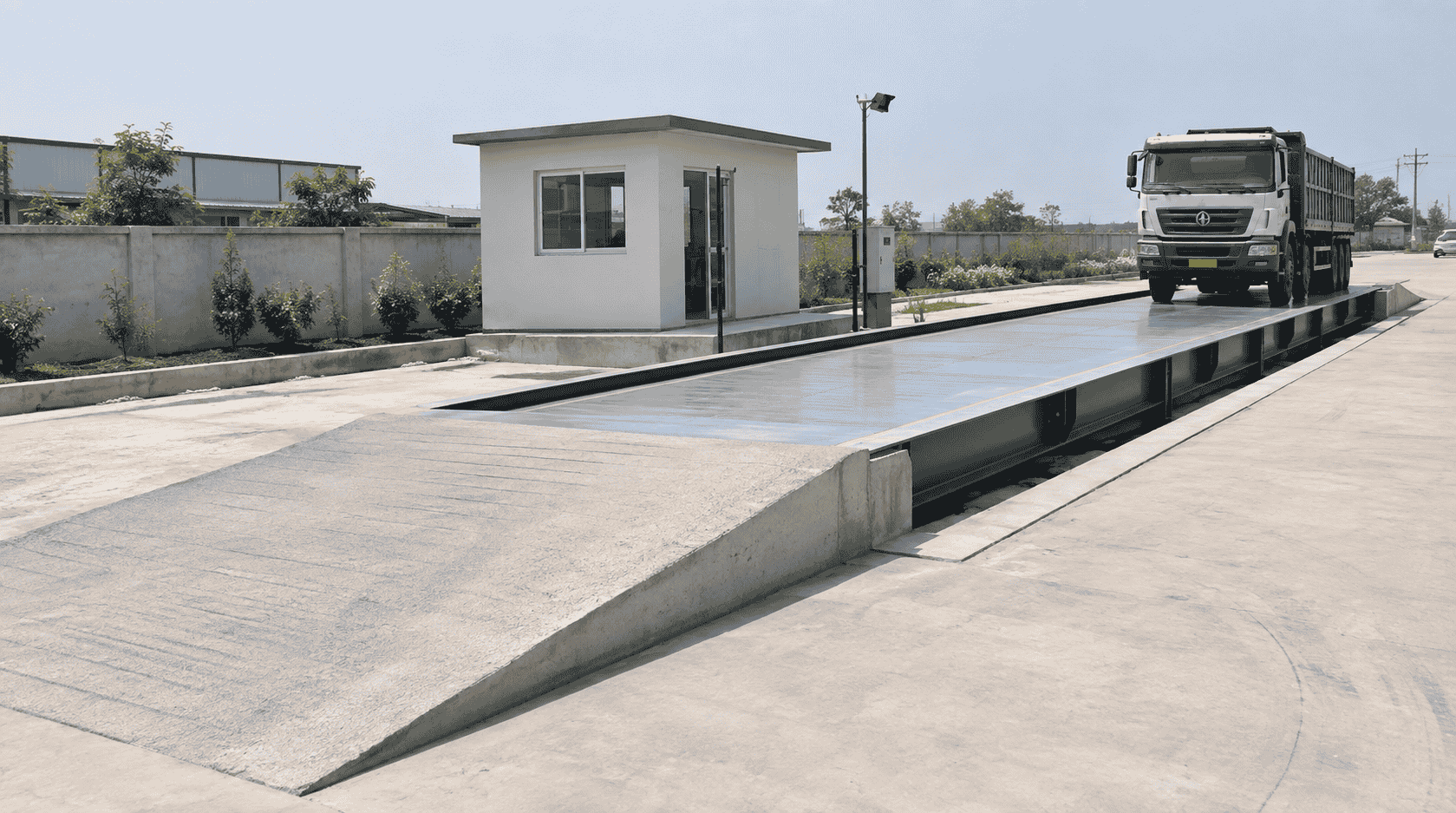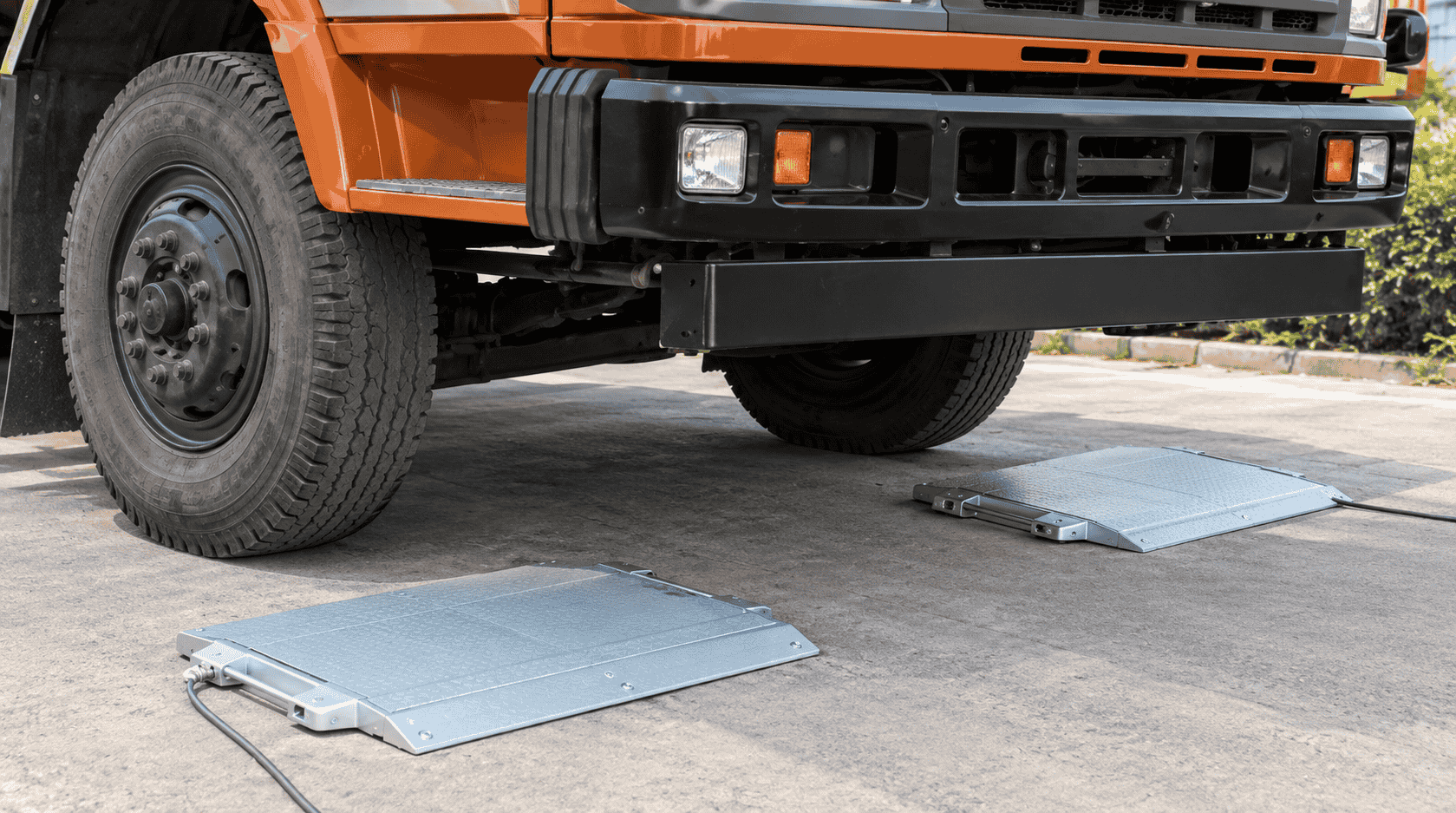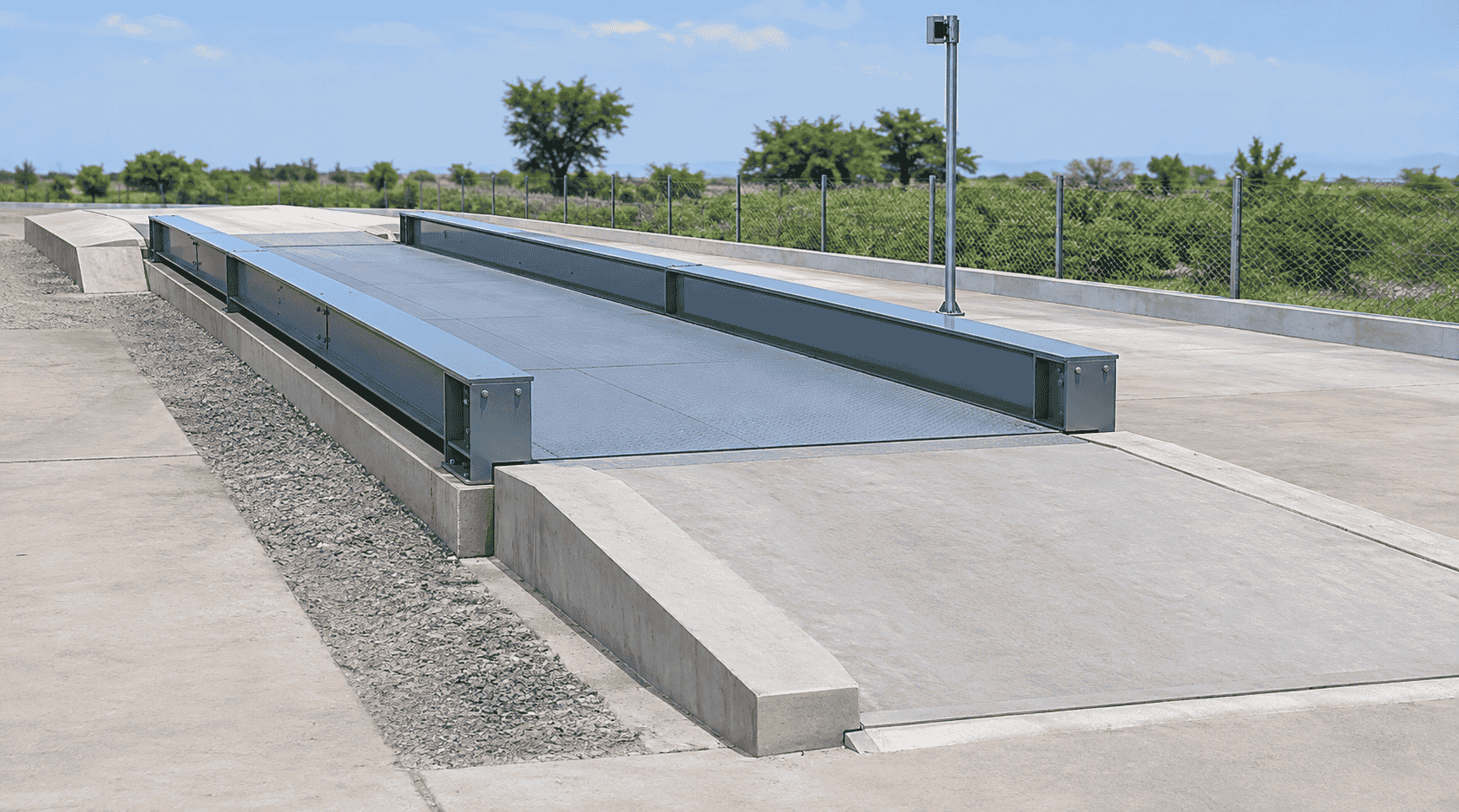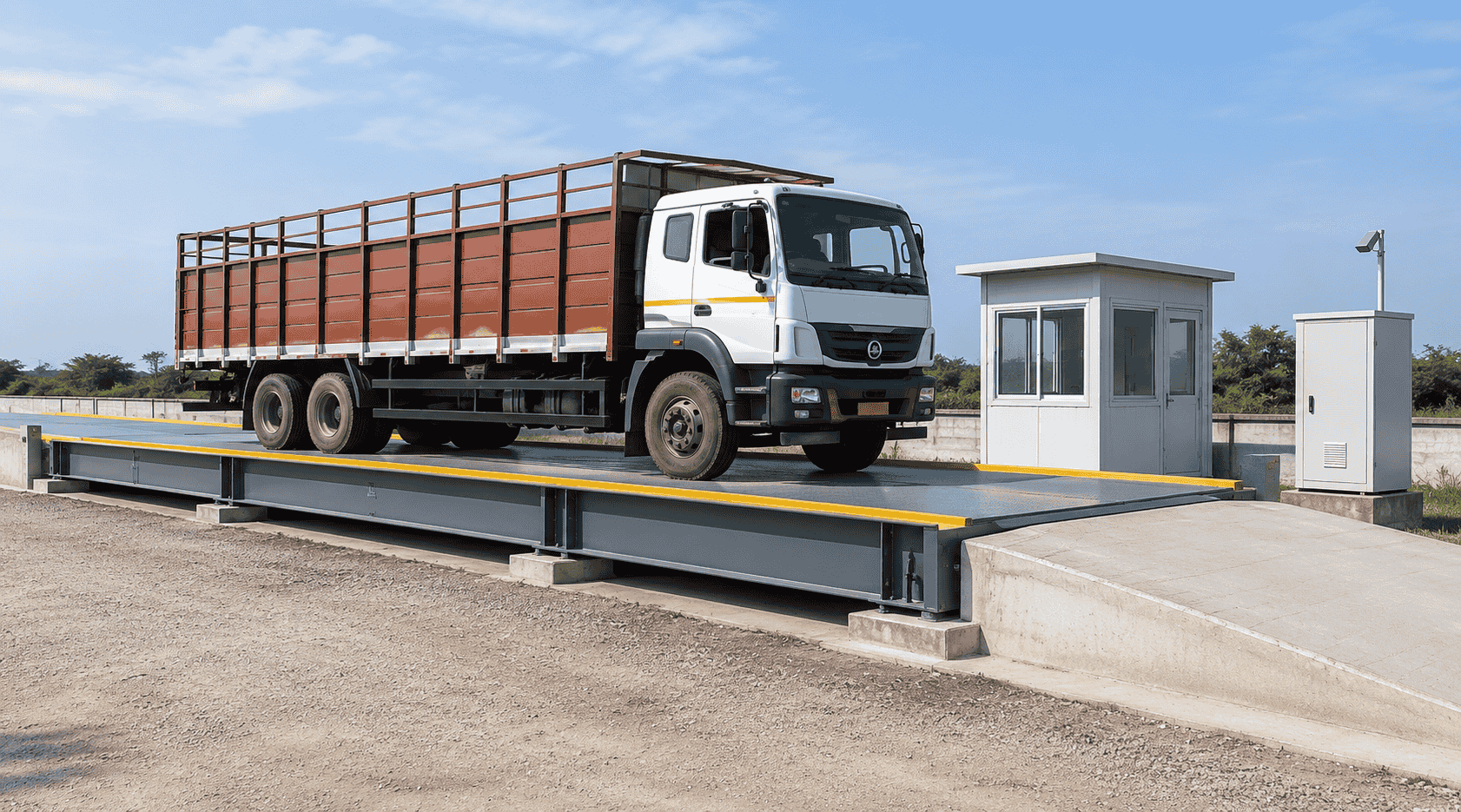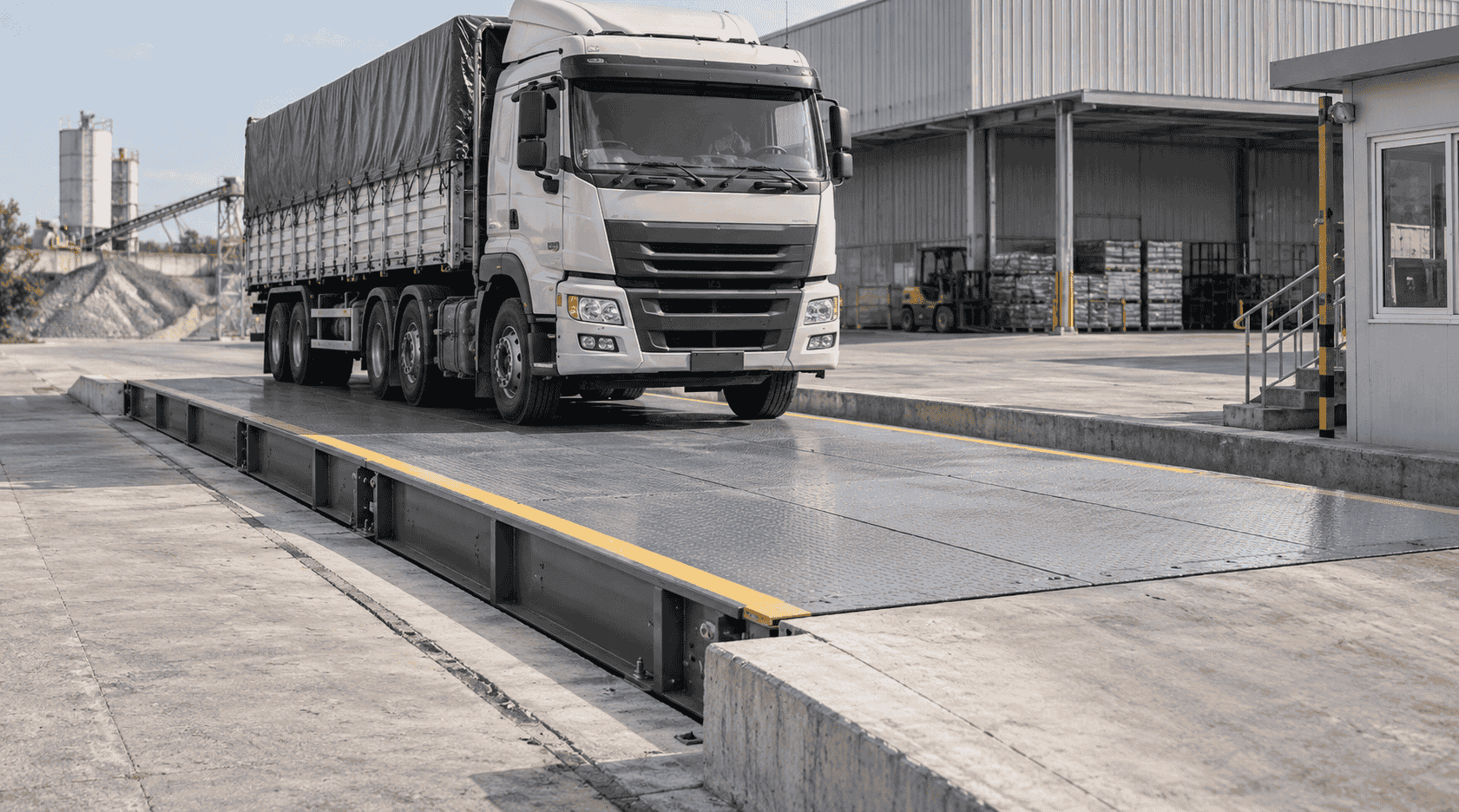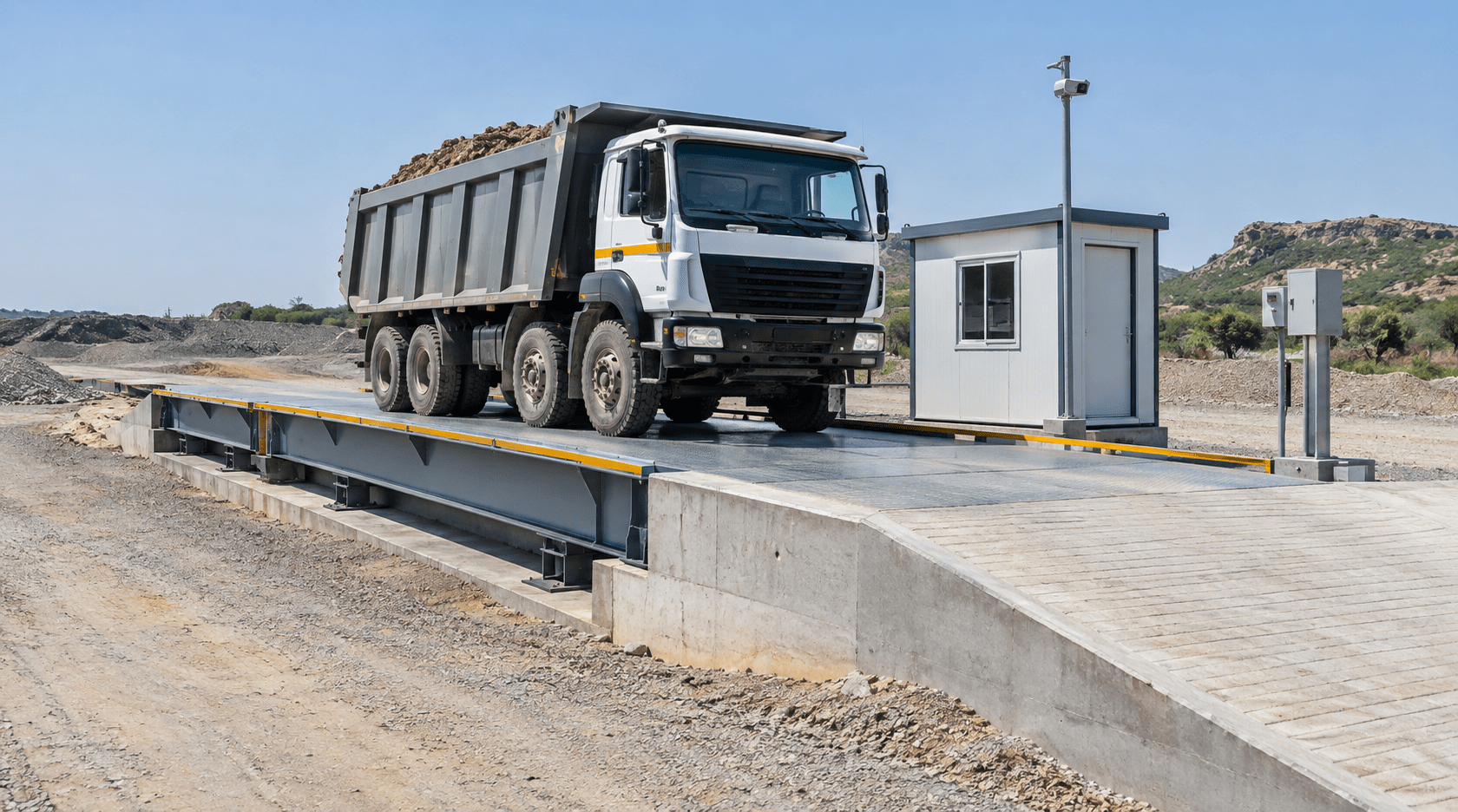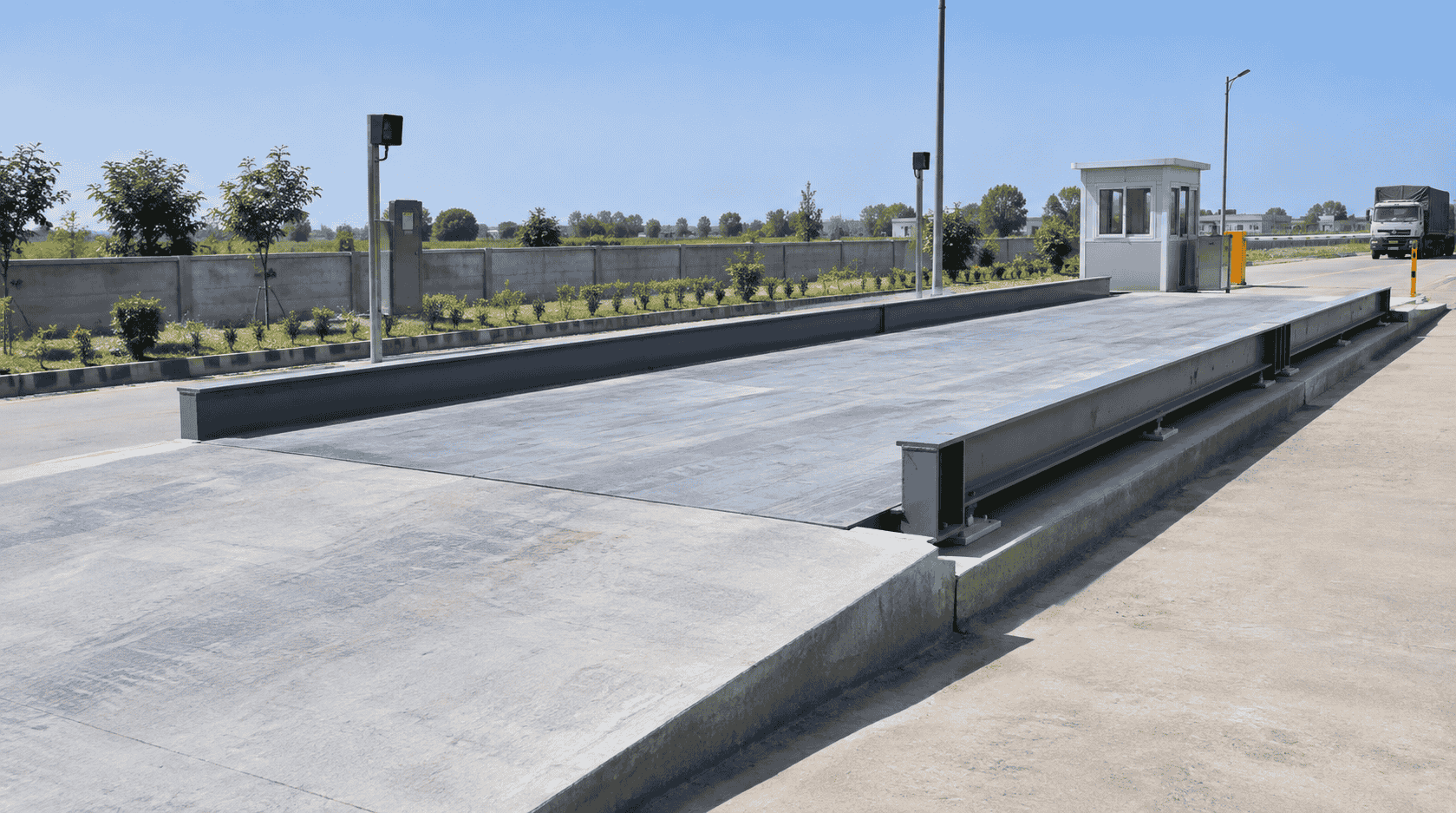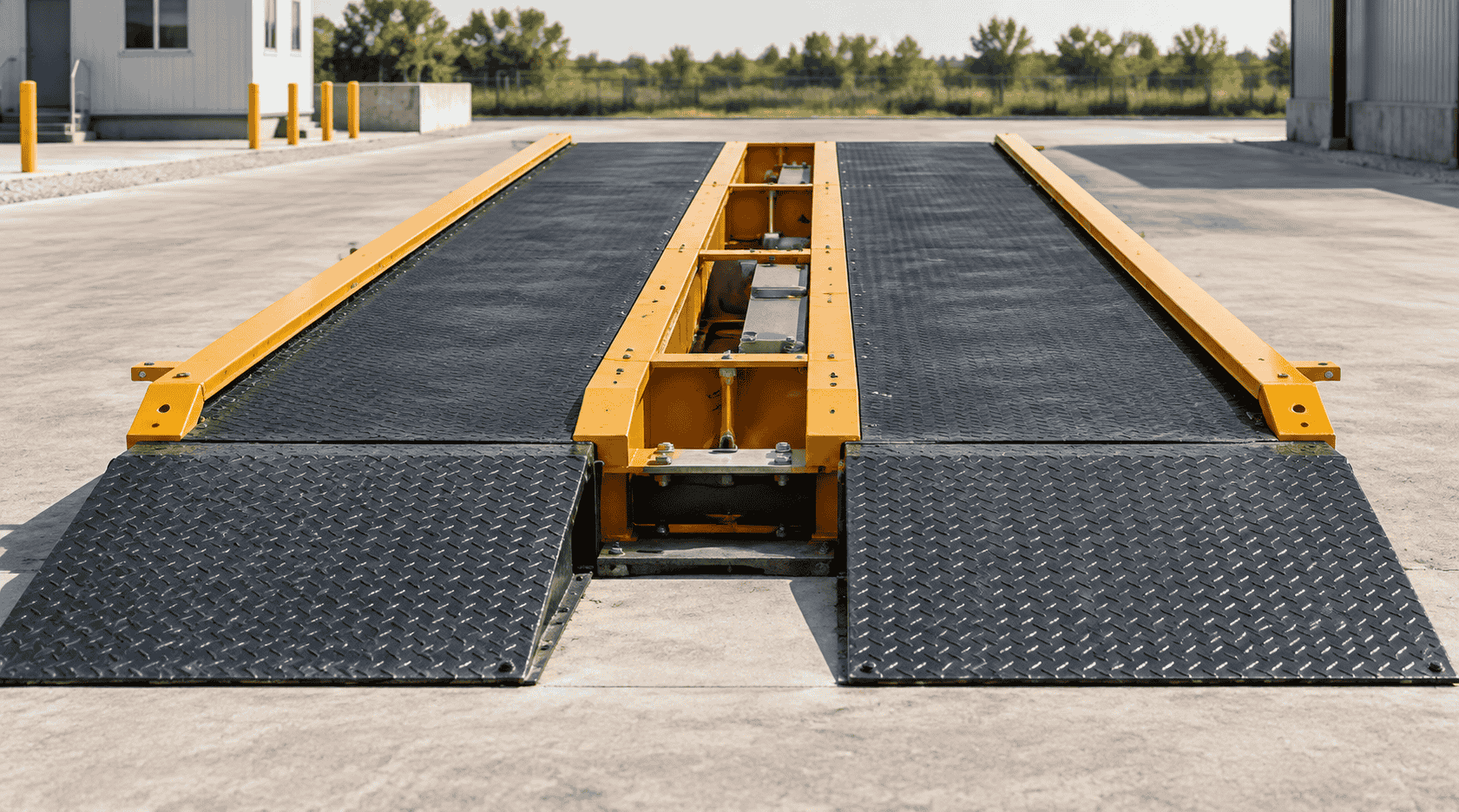
Rwanda’s growing movement of construction materials, agricultural goods, minerals, and bulk cargo creates a need for flexible vehicle weighing. A Mobile Weighbridge Exporter To Rwanda can support weighing operations where permanent civil construction is difficult or temporary capacity is required.
When a Mobile Weighbridge Makes Sense for Rwandan Operations
A mobile weighbridge is useful when vehicle weighing needs to move between sites or when constructing a permanent weighbridge is not practical.
It can suit:
- Construction and infrastructure projects
- Mining and quarry operations
- Agricultural collection and distribution points
- Logistics and transport yards
- Temporary storage and material-handling sites
- Project locations with changing vehicle movement
For businesses handling trucks at different locations, portability can simplify weighing arrangements while reducing dependence on a fixed installation site.
Planning the Weighing Setup Before Ordering
The right choice depends mainly on vehicle types, expected loads, operating location, available space, and the intended frequency of relocation.
Before ordering, buyers should confirm:
| Planning point | Why it matters |
| Vehicle size | Determines the required platform arrangement |
| Expected load range | Helps define suitable weighing capacity |
| Site conditions | Influences positioning and installation planning |
| Relocation frequency | Affects the preferred mobile configuration |
| Traffic volume | Helps determine operational requirements |
| Available space | Allows proper vehicle approach and exit |
| Power availability | Should be checked before commissioning |
A clear site and vehicle assessment can prevent configuration problems after delivery.
Site Preparation and Relocation Considerations
Although a mobile system offers greater flexibility than a conventional permanent weighbridge, the operating surface still needs careful assessment.
Before installation or relocation, check:
- Ground stability and levelness
- Vehicle approach and exit paths
- Drainage around the operating area
- Adequate turning space
- Clearance around the weighing platform
- Safe pedestrian and vehicle movement
- Accessibility for inspection and servicing
The exact installation arrangement should be established according to the equipment design and supplier’s instructions.
Keeping Weighing Operations Consistent
Daily operating practices can influence the reliability of vehicle weighing.
Operators should keep the weighing area clear of accumulated material and check for visible obstructions around the platform. Unusual readings, unstable display behaviour, or physical movement should be investigated rather than ignored.
Routine checks can include:
- Platform condition
- Structural and connection points
- Weighing components
- Display and electrical connections
- Visible debris around moving or sensitive areas
- Signs of impact or accidental damage
Maintenance intervals should follow the manufacturer’s recommendations and the actual operating environment.
Troubleshooting Common Weighing Problems
| Issue | Possible cause | Practical check |
| Unstable weight reading | Vehicle positioning or external disturbance | Recheck vehicle position and weighing area |
| Unexpected reading | Platform obstruction | Inspect and clear the platform area |
| Display problem | Electrical or connection issue | Check the relevant connections |
| Weighing interruption | System or site-related issue | Stop operation and inspect before reuse |
| Physical platform movement | Site or connection condition | Check installation and supporting surface |
Any electrical or technical repair should be handled by appropriately qualified personnel.
What Buyers Should Verify With an Exporter
Before placing an international order, buyers should discuss more than the basic equipment price. Confirm the proposed configuration against actual vehicle and site requirements.
Ask the supplier about:
- Suitable weighing capacity and platform arrangement
- Equipment dimensions and transportation requirements
- Installation and commissioning support
- Operating environment considerations
- Documentation supplied with the equipment
- Testing procedures before dispatch
- Spare-part availability
- Technical assistance after delivery
- Custom requirements for the project site
- Packaging and export documentation
This evaluation helps the buyer compare technically suitable proposals rather than relying only on quoted prices.
Services
- Requirement assessment based on vehicle and site conditions
- Mobile weighbridge configuration and project planning
- Installation and commissioning assistance
- Technical and after-sales support
Location
Rwanda’s transport, construction, agricultural, mining, and logistics activities can create weighing requirements across different operating zones. A Mobile Weighbridge Exporter To Rwanda can support projects where weighing facilities need greater flexibility across locations such as Kigali, Huye, Musanze, Rubavu, Rusizi, Muhanga, Nyagatare, Gicumbi, Kayonza, Rwamagana, Bugesera, Ngoma, Kirehe, Nyanza, Ruhango, Gisagara, Nyamagabe, Nyaruguru, Karongi, Ngororero, Nyabihu, and Rutsiro.
Working With Exelon Weighing System on Rwanda Requirements
Exelon Weighing System can assist buyers in discussing vehicle-weighing requirements, selecting a suitable configuration, and planning equipment around the intended operating conditions. The company provides manufacturing support from Ahmedabad, Gujarat, India, with consultation and technical assistance relevant to international project requirements.
Frequently Asked Questions
Q: What should I consider before ordering a mobile weighbridge for Rwanda?
A: Start with vehicle dimensions, expected loads, site conditions, relocation requirements, weighing frequency, and available operating space.
Q: Can a mobile weighbridge be used at changing project locations?
A: Its mobile configuration is intended to provide greater flexibility than a permanently installed weighing facility. Relocation requirements should be discussed with the supplier before ordering.
Q: What maintenance does a mobile weighbridge require?
A: Regular inspection, platform-area cleaning, connection checks, and condition monitoring are important. The maintenance schedule should follow the manufacturer’s recommendations.
Q: What should I ask an exporter before placing an order?
A: Confirm configuration, capacity, dimensions, documentation, testing, installation support, spare parts, technical assistance, and export requirements.
Conclusion
For Rwandan businesses and project operators, mobile vehicle weighing can provide flexibility where fixed infrastructure is unsuitable or locations change. Selecting the right Mobile Weighbridge Exporter To Rwanda requires attention to vehicle loads, site conditions, configuration, maintenance, and technical support. Exelon Weighing System can discuss these requirements with buyers.
CALL US:
(+91) 990 407 8662
(+91) 990 407 8664
MAIL US:
sales@ewsindia.net
For further details, please feel free to contact us.
View Product: Click Here