Businesses handling trucks, bulk materials, and cargo in Ethiopia need practical weighing systems to monitor vehicle loads. Portable weigh pads help measure axle loads without requiring a permanent weighbridge installation, supporting flexible vehicle weighing operations.
How Portable Weigh Pads Help Monitor Vehicle Loads
A weigh pad is a portable weighing platform designed to measure the load applied by a vehicle wheel or axle. Multiple pads can be positioned according to the vehicle configuration to collect individual wheel or axle readings.
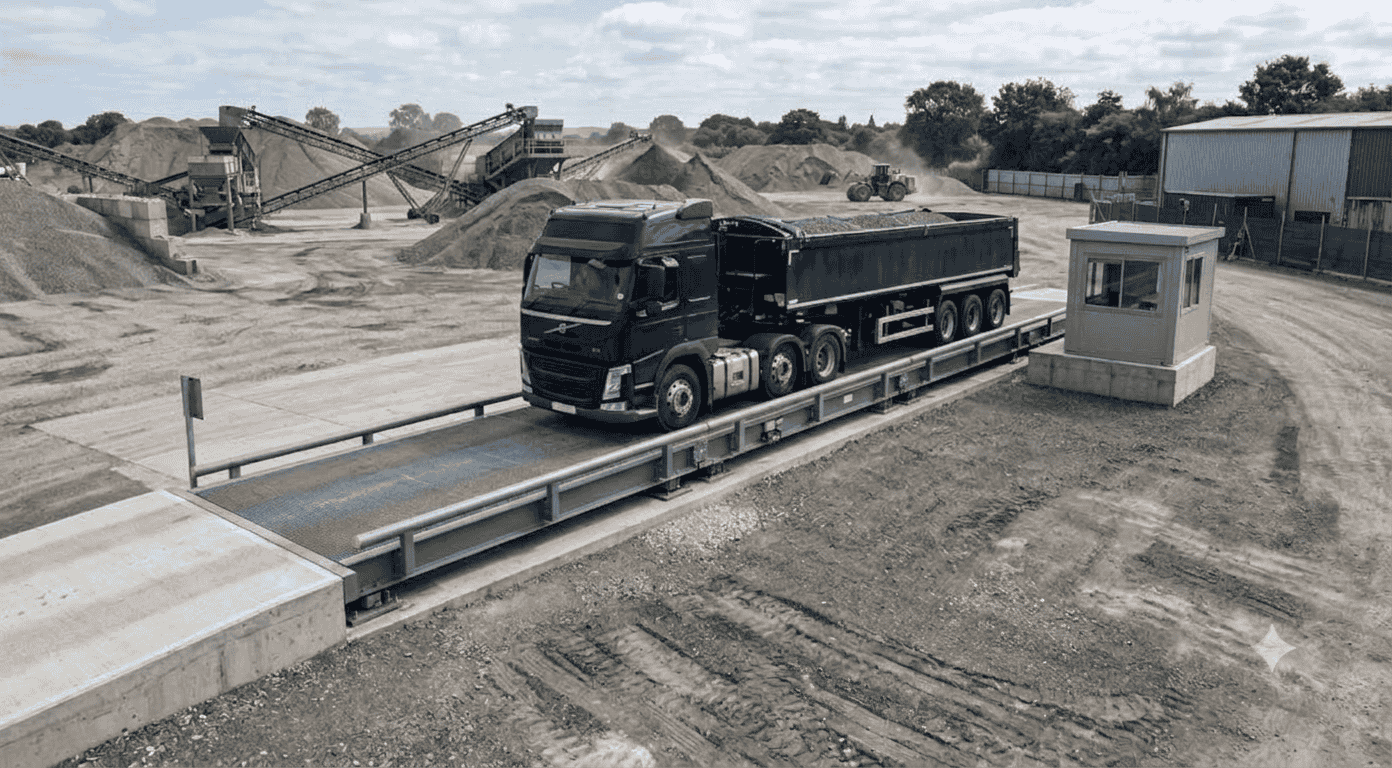
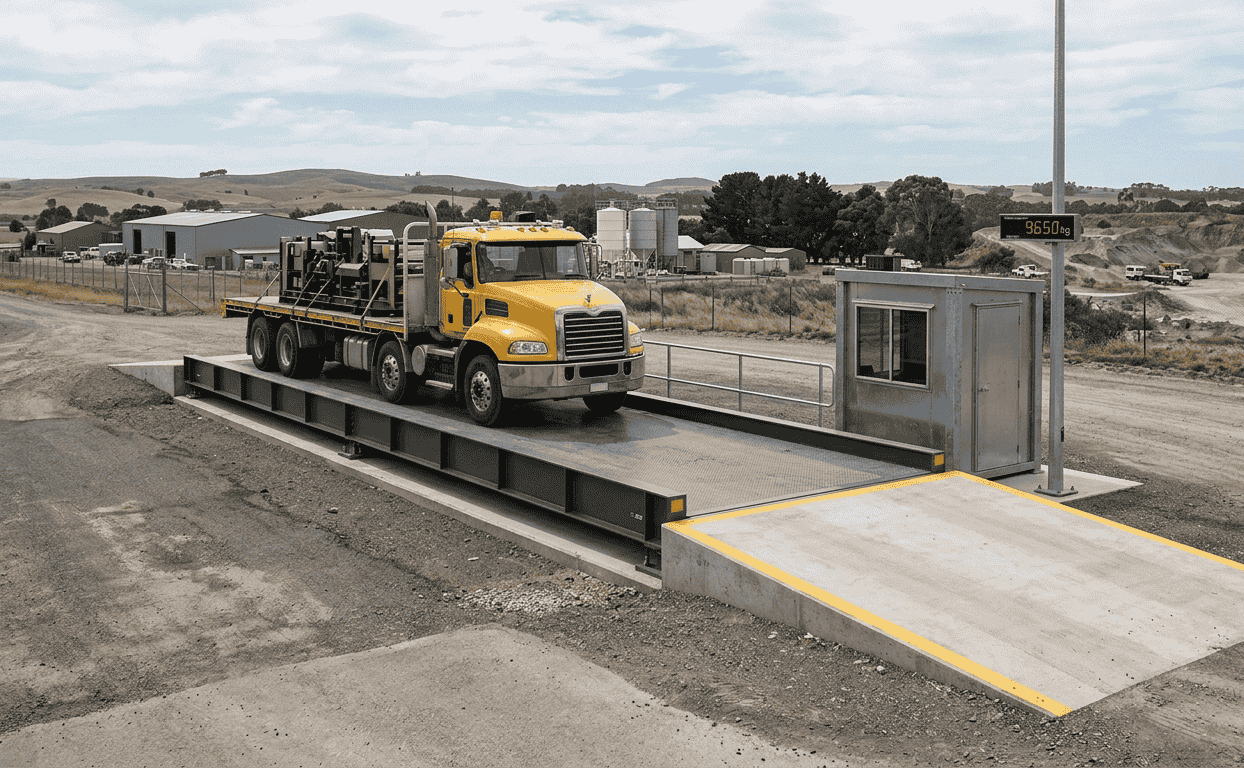
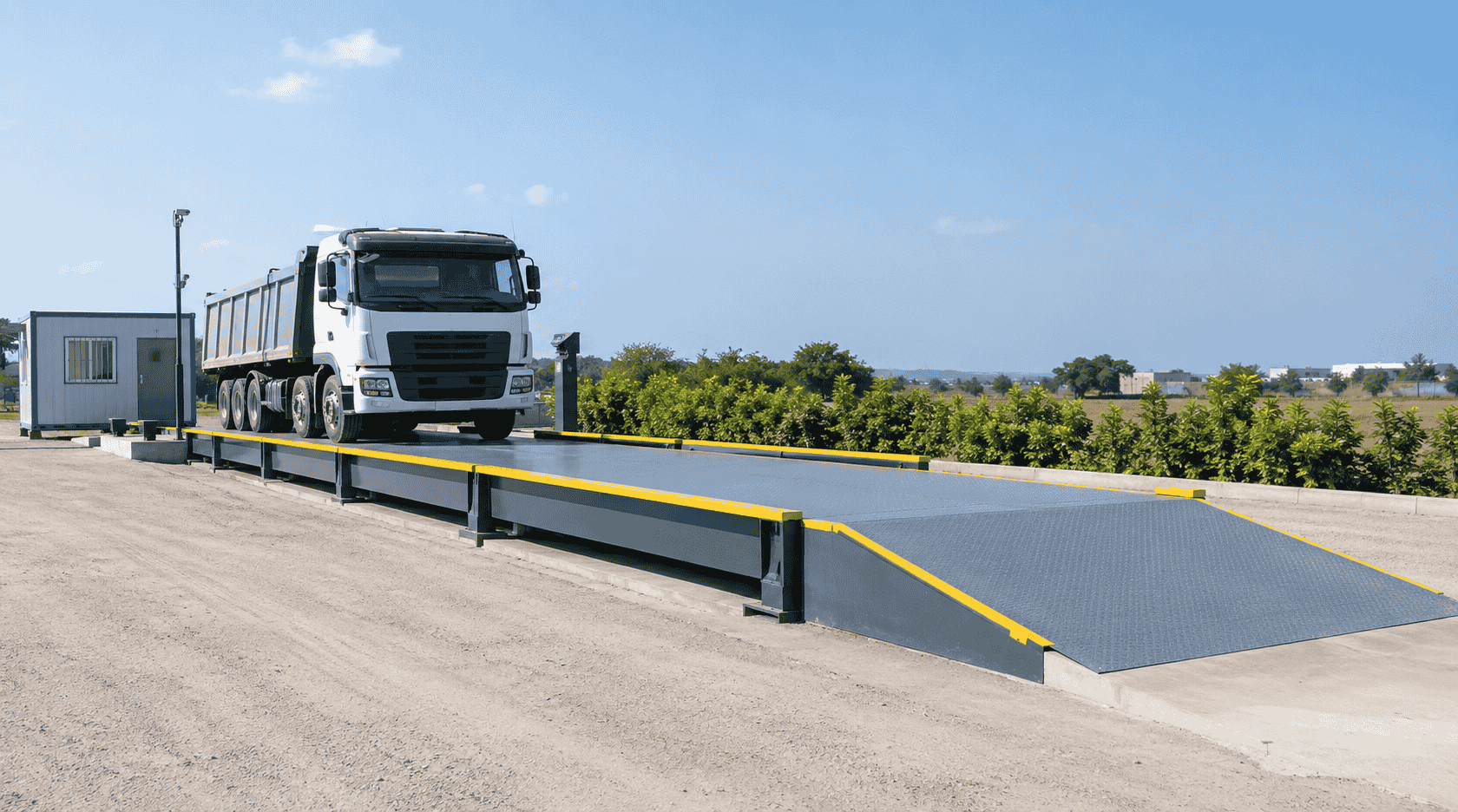
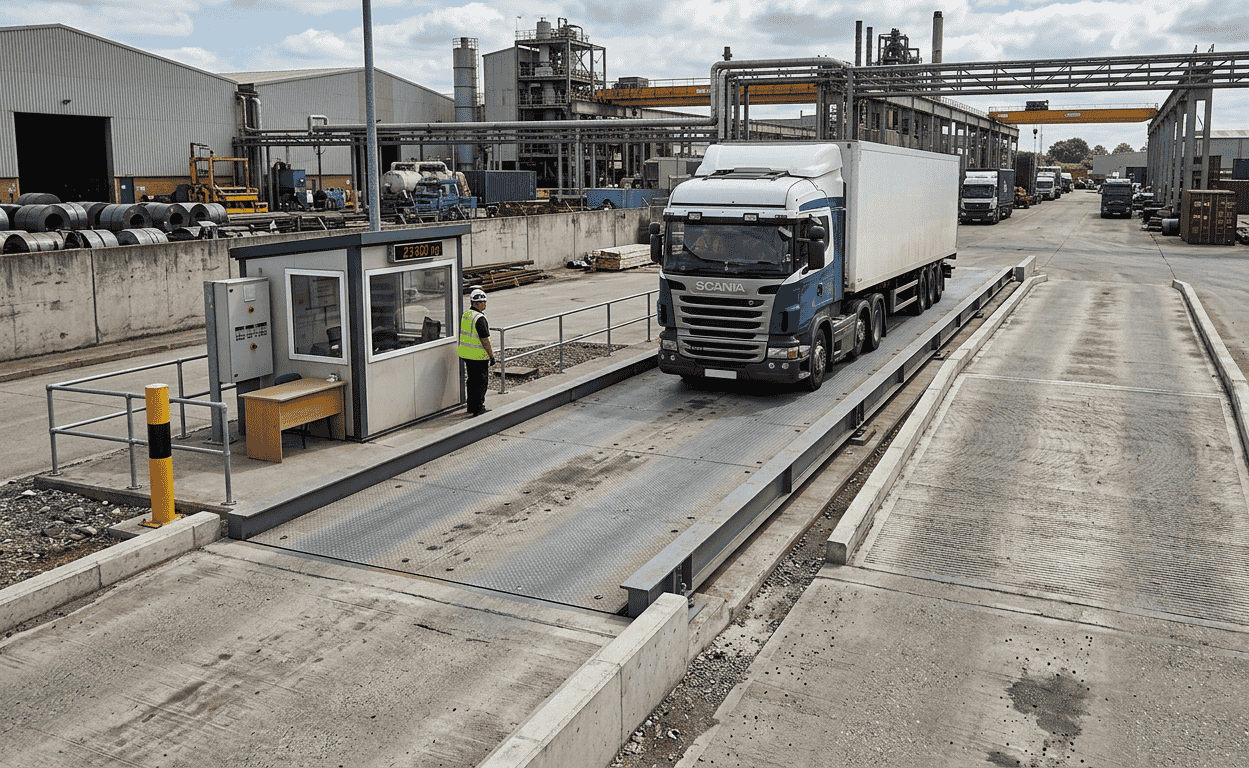
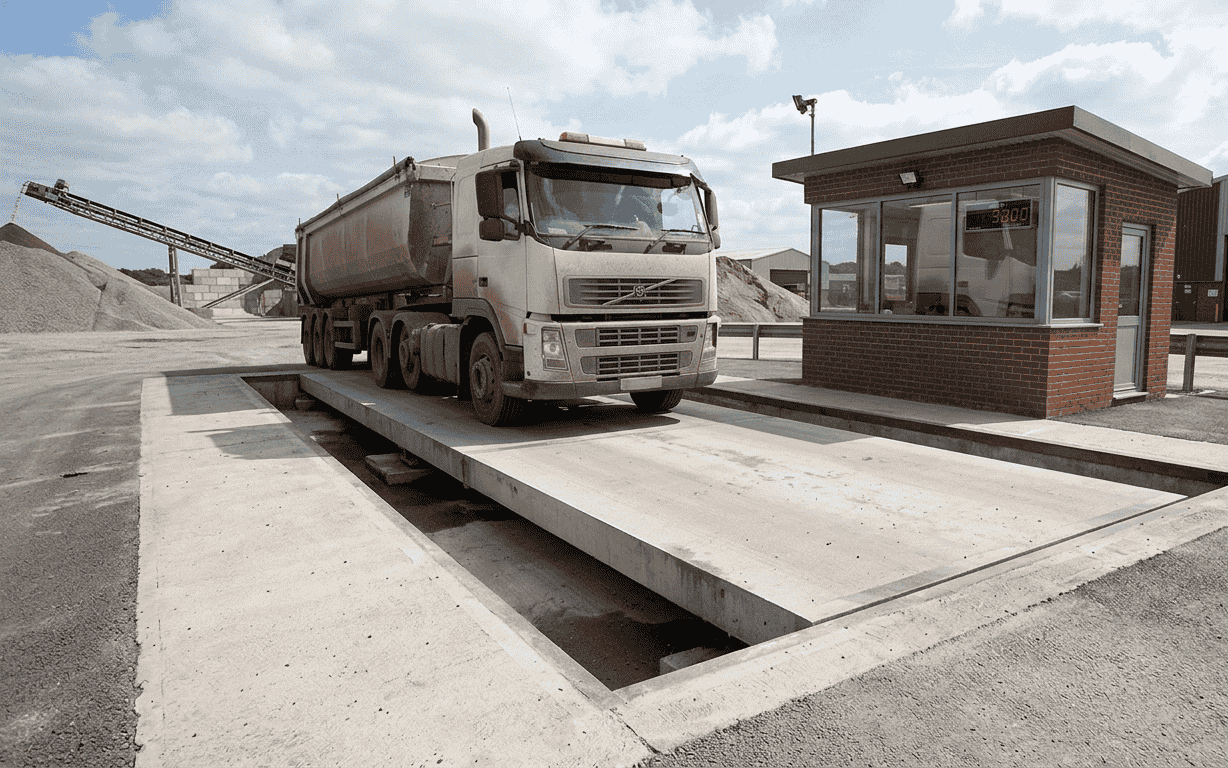
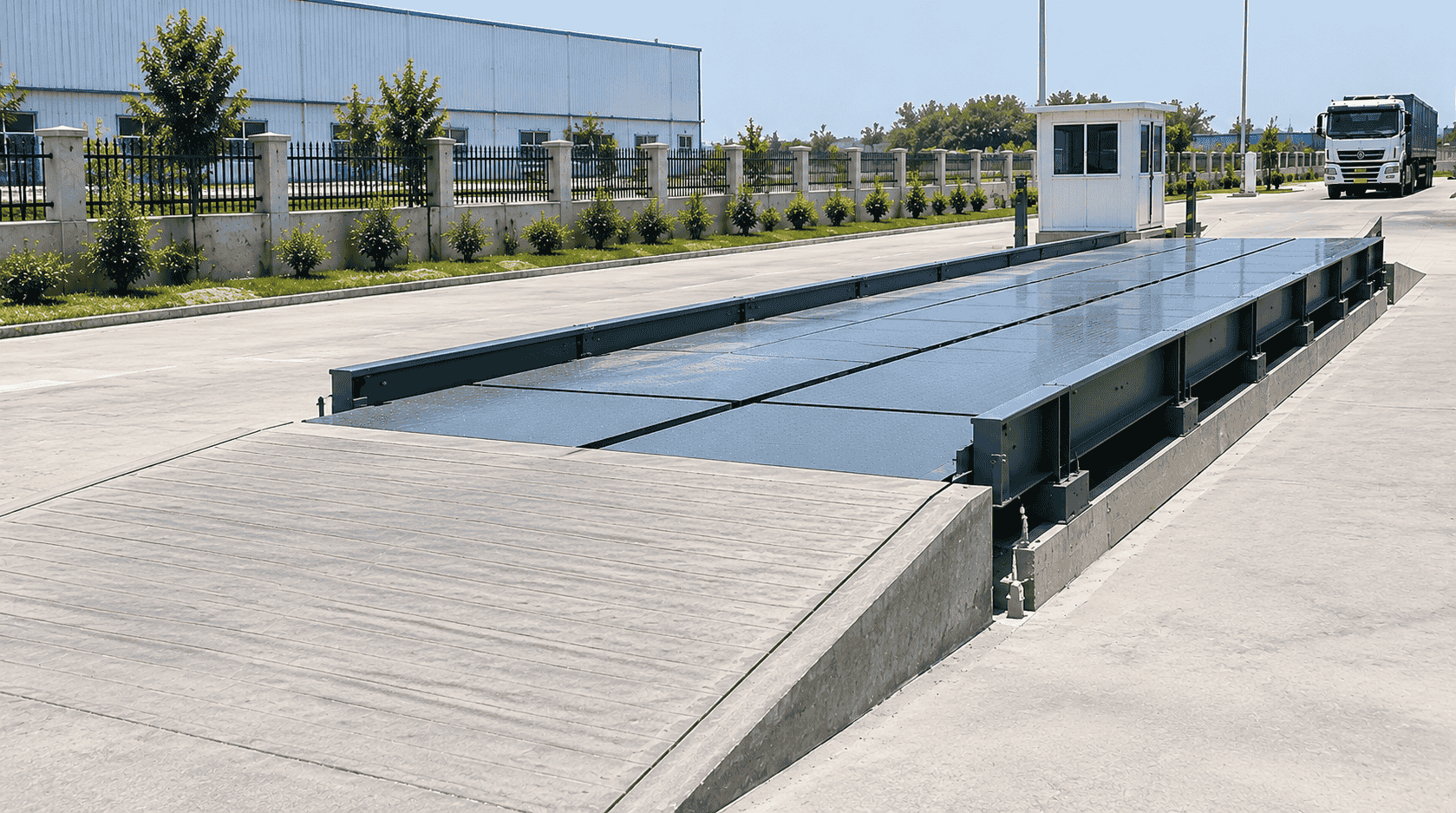
Unlike a conventional fixed weighbridge, portable weighing pads can be moved between suitable weighing locations.
For businesses in Ethiopia, this arrangement can be useful for:
- Checking truck axle loads at industrial premises.
- Monitoring vehicle loading at warehouses and distribution centres.
- Assessing load distribution in transportation fleets.
- Conducting weighing checks at mining and construction sites.
- Supporting vehicle weight management at temporary project locations.
The exact weighing arrangement depends on the pad configuration, vehicle type, and required measurement method.
Understanding the Weighing Process From Vehicle Positioning to Weight Recording
Portable weighing pads operate through load-sensing components that convert the applied vehicle load into an electrical signal.
The weighing process generally follows these steps:
1. Site preparation: Position the pads on a firm, stable, and level surface suitable for vehicle weighing.
2. Pad positioning: Arrange the pads according to the vehicle’s wheel configuration and the manufacturer’s operating instructions.
3. Vehicle movement: Guide the truck slowly onto the weighing position, ensuring that the relevant wheels are correctly placed.
4. Weight measurement: The load sensors detect the applied force and transmit measurement signals to the weighing indicator.
5. Reading collection: Record the individual wheel or axle readings displayed by the weighing system.
6. Weight assessment: Combine the readings where the system supports this calculation to evaluate the vehicle’s overall load distribution.
Correct positioning and consistent weighing conditions are important for obtaining dependable readings.
Portable Weigh Pads or Fixed Weighbridges: Which Arrangement Fits Your Site?
The choice depends on how frequently vehicles are weighed, available infrastructure, and whether the weighing location needs to change.
| Comparison factor | Portable weigh pads | Fixed weighbridge |
| Installation | Portable arrangement | Permanent site installation |
| Civil construction | Generally limited site preparation | Foundation or civil work may be required |
| Relocation | Designed for movement | Difficult to relocate |
| Weighing method | Individual wheel or axle measurements | Complete vehicle weighing on a platform |
| Space requirement | Suitable weighing surface | Dedicated vehicle weighing area |
| Site flexibility | Higher | Lower |
Important consideration: Portable axle measurements and complete vehicle weighing are not automatically interchangeable. Buyers should confirm the intended weighing method and applicable legal requirements before selecting a system for commercial transactions.
Technical Factors to Evaluate Before Ordering Weigh Pads
The performance of a portable weighing arrangement depends on matching its technical configuration with the vehicles and operating environment.
Buyers considering a Weigh Pad Weighbridges Supplier In Ethiopia should evaluate the following points:
- Weighing capacity: Confirm the required wheel, axle, and vehicle load ranges.
- Vehicle configuration: Consider the number of axles, wheel arrangements, and tyre dimensions.
- Pad dimensions: Ensure the weighing platform accommodates the intended vehicle wheels.
- Load sensor arrangement: Understand the sensing configuration and measurement method.
- Digital indicator: Check readability, display functionality, and measurement recording.
- Power requirements: Confirm whether the system uses a battery, external supply, or another power arrangement.
- Operating environment: Consider dust, moisture, temperature variations, and outdoor exposure.
- Data management: Determine whether weight records need to be stored, transferred, or integrated with existing systems.
A technical discussion with the supplier can help establish the correct configuration before an order is finalized.
Preparing an Ethiopian Industrial Site for Portable Weighing Equipment
Although portable weigh pads avoid the need for a conventional permanent weighbridge foundation, the weighing surface still requires attention.
An unsuitable surface can affect vehicle positioning and measurement consistency.
Before installation or operation, consider these requirements:
1. Ground condition: Select a firm, level surface capable of supporting the vehicle and weighing equipment.
2. Approach arrangement: Provide adequate space for trucks to approach and leave the weighing position safely.
3. Surface cleanliness: Remove loose stones, debris, and materials that could interfere with pad positioning.
4. Equipment placement: Follow the manufacturer’s instructions for pad spacing, alignment, and levelling.
5. Electrical arrangement: Check indicator connections, cables, battery condition, and available power.
6. Initial testing: Conduct trial measurements and verify the readings using an appropriate calibration or verification procedure.
For operations involving commercial vehicle transactions, buyers should also confirm applicable Ethiopian measurement and legal metrology requirements.
Preventing Measurement Errors Through Routine Inspection
Portable weighing equipment requires regular attention, particularly when used at outdoor industrial locations.
A practical maintenance approach includes:
- Clean the weighing surfaces after use.
- Inspect pad housings for physical damage.
- Check cables and electrical connections.
- Examine connectors for dust and moisture.
- Verify that the indicator displays readings correctly.
- Inspect the equipment before transportation.
- Follow the manufacturer’s recommendations for calibration and servicing.
The following table highlights common operating concerns.
| Common issue | Possible reason | Practical action |
| Unstable readings | Uneven surface or incorrect pad positioning | Check the ground and reposition the pads |
| No weight display | Power or connection issue | Inspect the power supply and connections |
| Different readings between measurements | Vehicle movement or inconsistent positioning | Repeat the measurement under consistent conditions |
| Communication interruption | Cable or connector problem | Inspect connections and seek technical assistance |
| Physical damage | Improper handling or transportation | Arrange inspection and necessary servicing |
Avoid opening or repairing load-sensing components without appropriate technical support.
What Buyers Should Verify When Evaluating an International Supplier
An international equipment purchase involves more than comparing the initial product price. Buyers should understand the complete supply and support arrangement.
Use this checklist before confirming an order:
- Confirm the weighing capacity and intended measurement method.
- Verify pad dimensions and vehicle compatibility.
- Review the load cell and indicator configuration.
- Ask about calibration and testing documentation.
- Confirm operating instructions and user documentation.
- Check the availability of replacement components.
- Discuss packaging and international transportation arrangements.
- Confirm installation guidance and commissioning responsibilities.
- Understand warranty conditions and after-sales support.
- Verify applicable import and regulatory requirements in Ethiopia.
A clear technical specification helps reduce misunderstandings between the buyer and supplier.
Services
Exelon Weighing System can assist customers with relevant weighing equipment requirements through:
- Portable weigh pad requirement analysis and product consultation.
- Capacity selection and technical configuration guidance.
- Manufacturing coordination and equipment supply planning.
- Installation guidance, maintenance information, and technical assistance.
Location
Ethiopia has growing requirements for vehicle weighing across transportation networks, agricultural trading, mining, construction, manufacturing, and commercial distribution. Portable weighing equipment can support suitable vehicle inspection and load-monitoring operations across these sectors.
Important commercial and industrial locations include Addis Ababa, Dire Dawa, Adama, Bishoftu, Hawassa, Bahir Dar, Mekelle, Gondar, Dessie, Kombolcha, Jimma, Harar, Jigjiga, Shashamane, Debre Markos, Nekemte, Wolaita Sodo, Arba Minch, Dilla, Debre Birhan, Assosa, Gambela, Semera, Bule Hora, and Moyale.
Portable Weighing Equipment Support From Exelon Weighing System
Selecting portable weighing equipment requires an understanding of vehicle configurations, load requirements, site conditions, and measurement expectations.
Exelon Weighing System offers industrial vehicle weighing solutions, including weigh pads, portable weighbridges, axle weighbridges, modular weighbridges, and other truck weighing systems.
The company provides manufacturing support from Ahmedabad, Gujarat, India, for domestic and international customer requirements.
Through its website, https://truckscale.in/, buyers can explore its weighing equipment range and discuss suitable configurations.
For Ethiopian importers, transport operators, mining businesses, and industrial buyers, the company can assist with:
- Understanding the intended weighing application.
- Discussing suitable portable weighing configurations.
- Coordinating product and technical requirements.
- Providing information about installation, maintenance, and spare parts.
The final equipment selection should be based on the actual vehicle specifications and operating conditions.
Frequently Asked Questions
Q1. Can portable weigh pads measure the weight of heavy commercial trucks?
A: Yes, appropriately configured portable weighing pads can measure individual wheel or axle loads of commercial vehicles. The required capacity must be confirmed before ordering.
Q2. Do weigh pads require permanent civil construction?
A: Portable weigh pads generally do not require the permanent foundation used for conventional weighbridges. However, a firm, level, and suitable operating surface is essential.
Q3. Can portable weigh pads be used at different industrial locations?
A: Yes, portability allows suitable systems to be transported between weighing locations. Proper handling, positioning, and setup procedures must be followed.
Q4. What documentation should Ethiopian buyers request before importing weigh pads?
A: Buyers should request technical specifications, capacity details, operating instructions, calibration information, warranty conditions, and applicable shipping documentation.
Conclusion
Portable weigh pads offer a flexible approach to vehicle axle-load monitoring for Ethiopian industrial and transportation operations. Selecting suitable capacity, sensor configuration, operating conditions, and technical support is essential. Exelon Weighing System provides manufacturing support from Ahmedabad, Gujarat, India, for international equipment requirements.
Contact Exelon Weighing System to discuss your portable weigh pad requirements, vehicle specifications, and suitable weighing equipment for your operations in Ethiopia.
CALL US:
(+91) 990 407 8662
(+91) 990 407 8664
MAIL US:
sales@ewsindia.net
For further details, please feel free to contact us.
View Product: Click Here