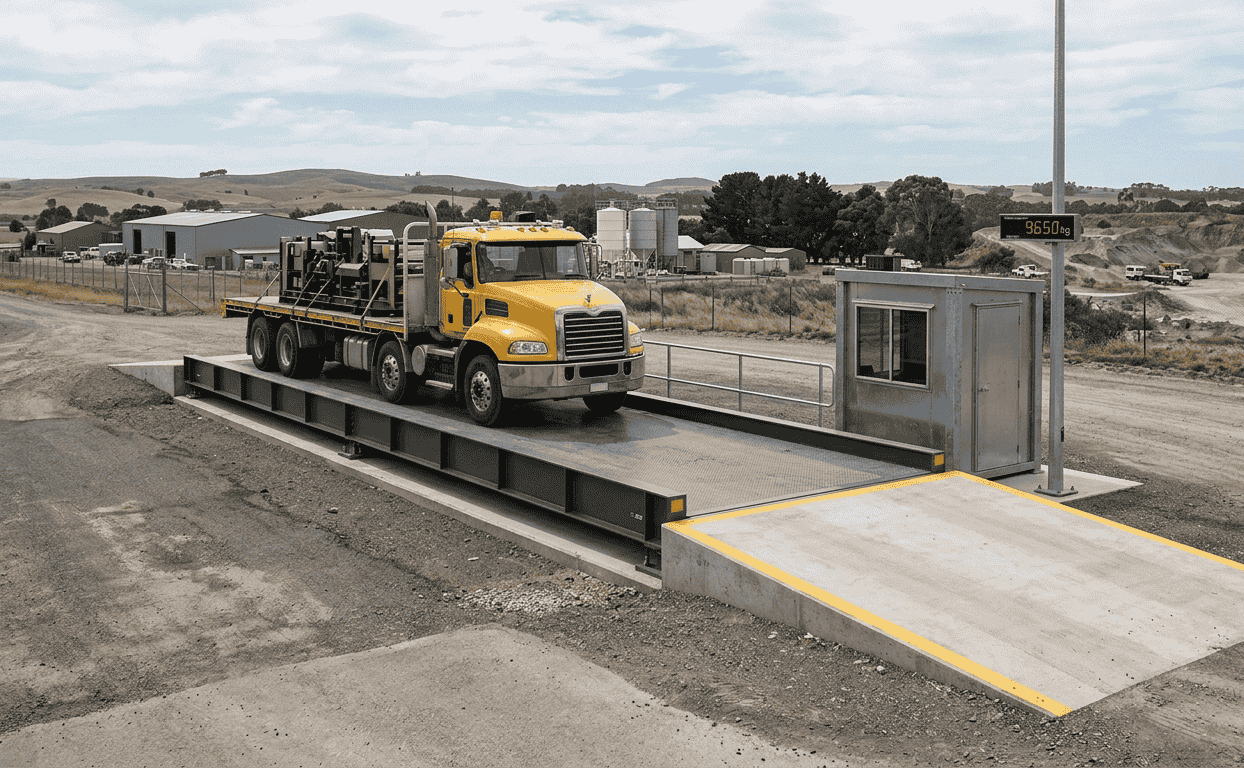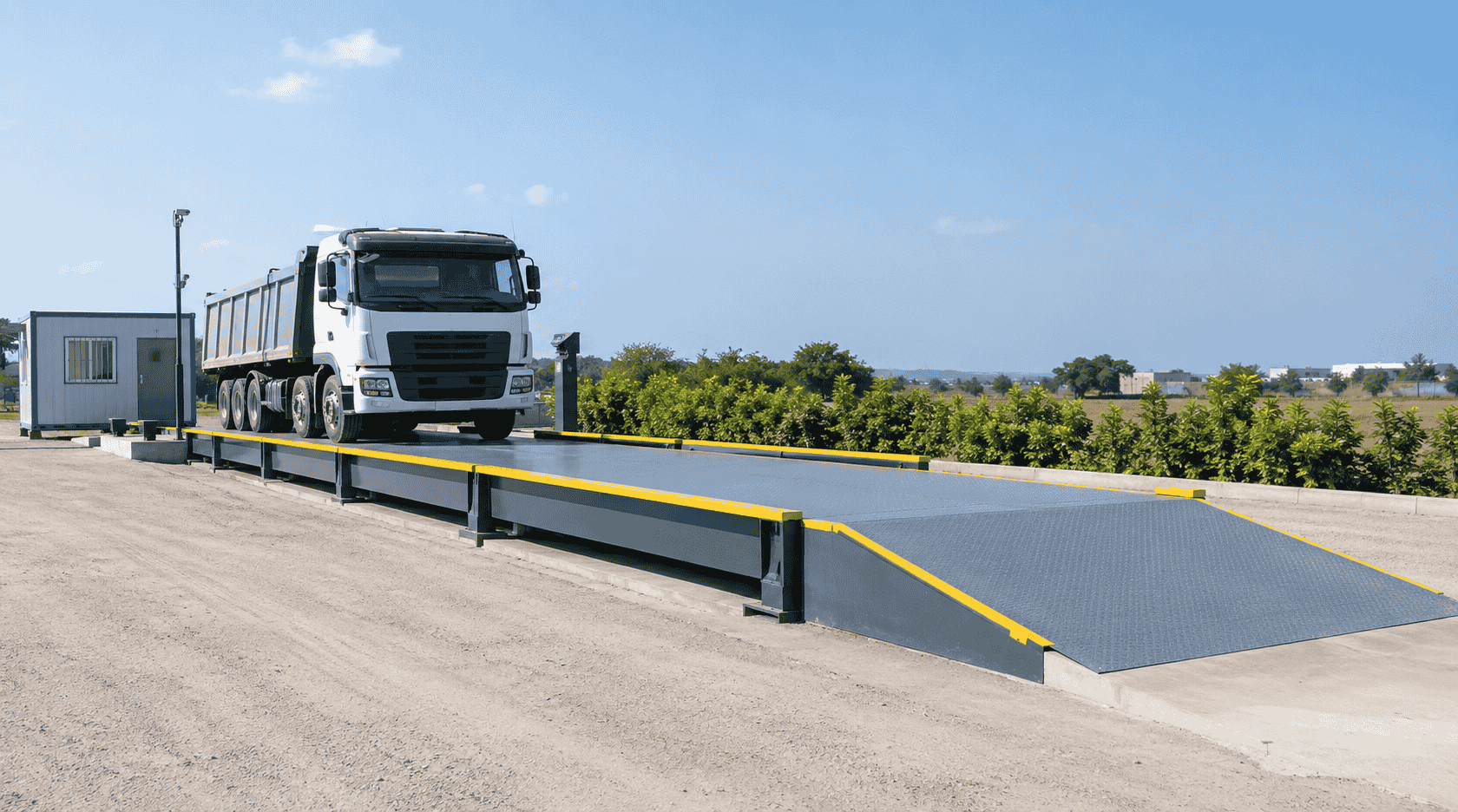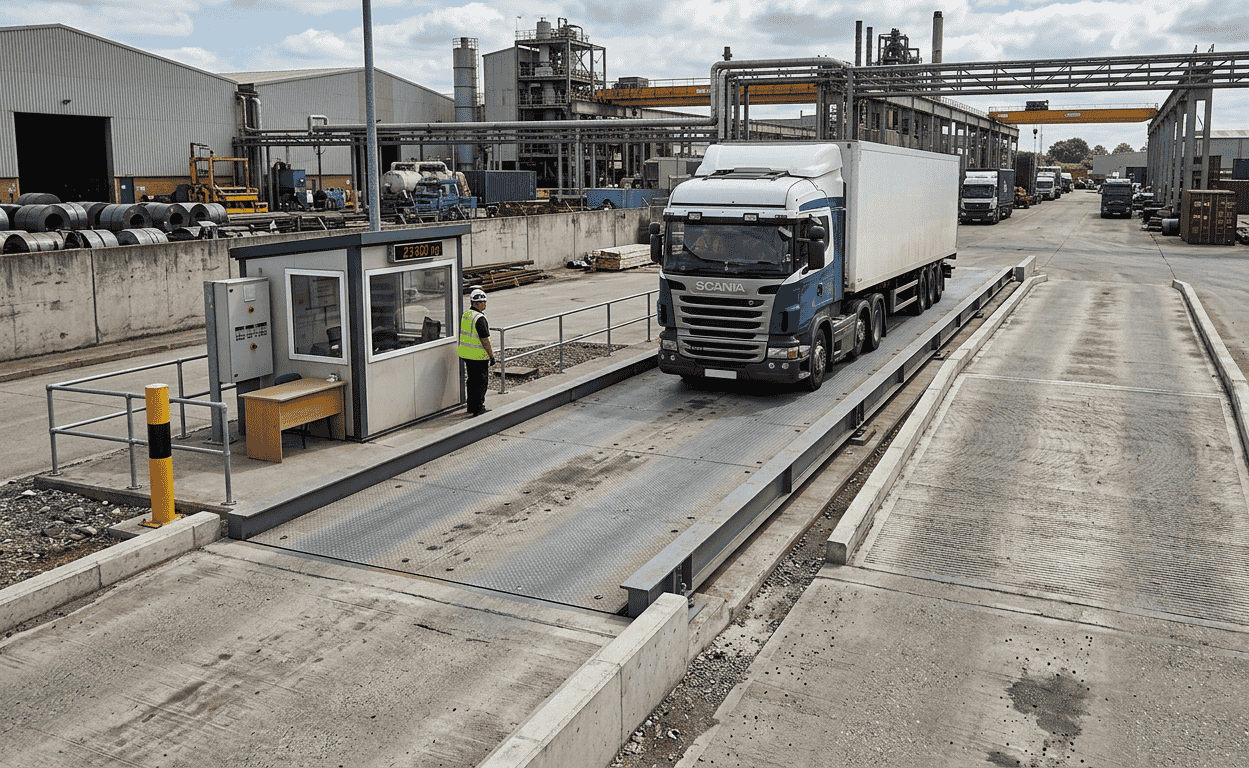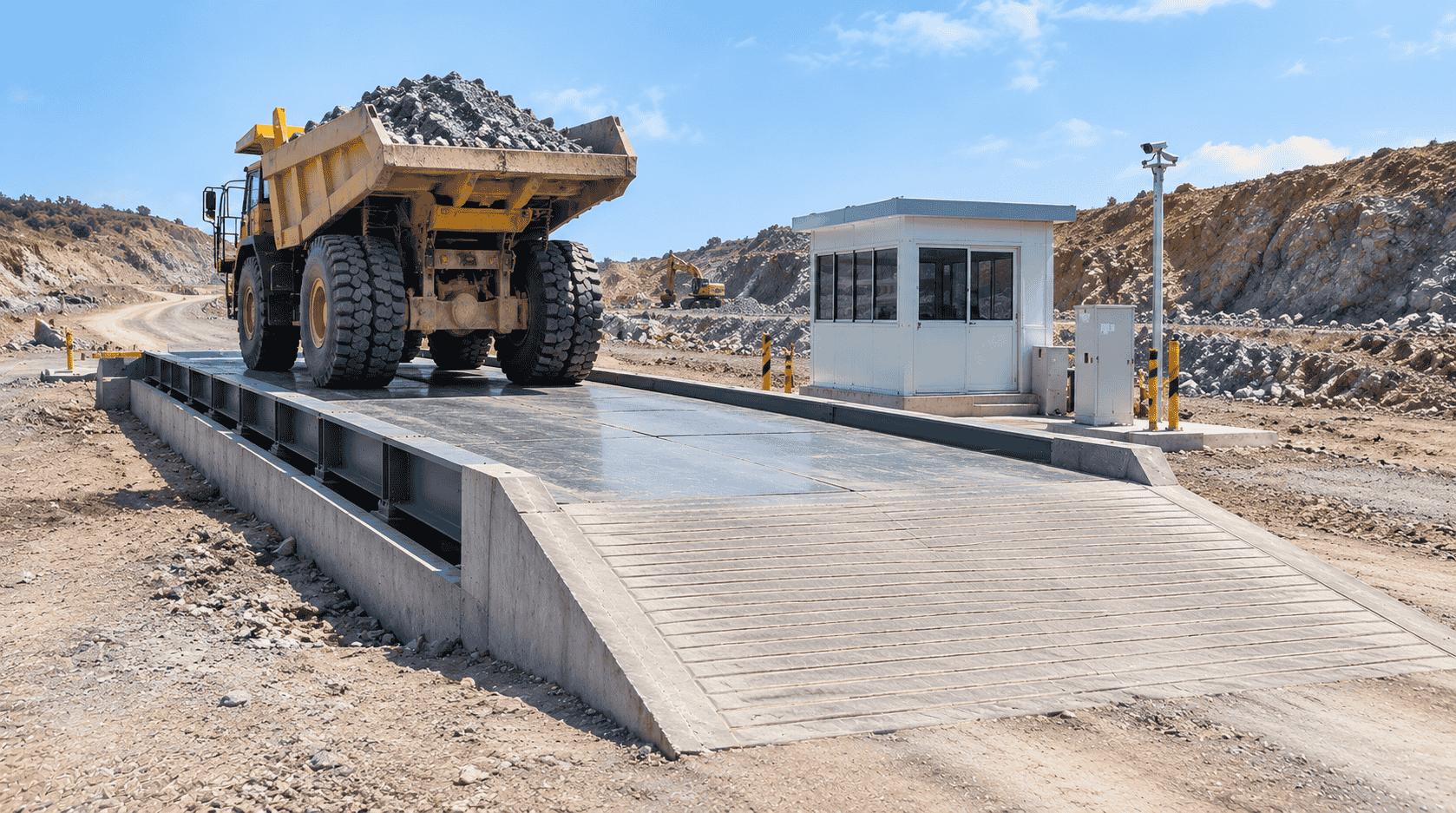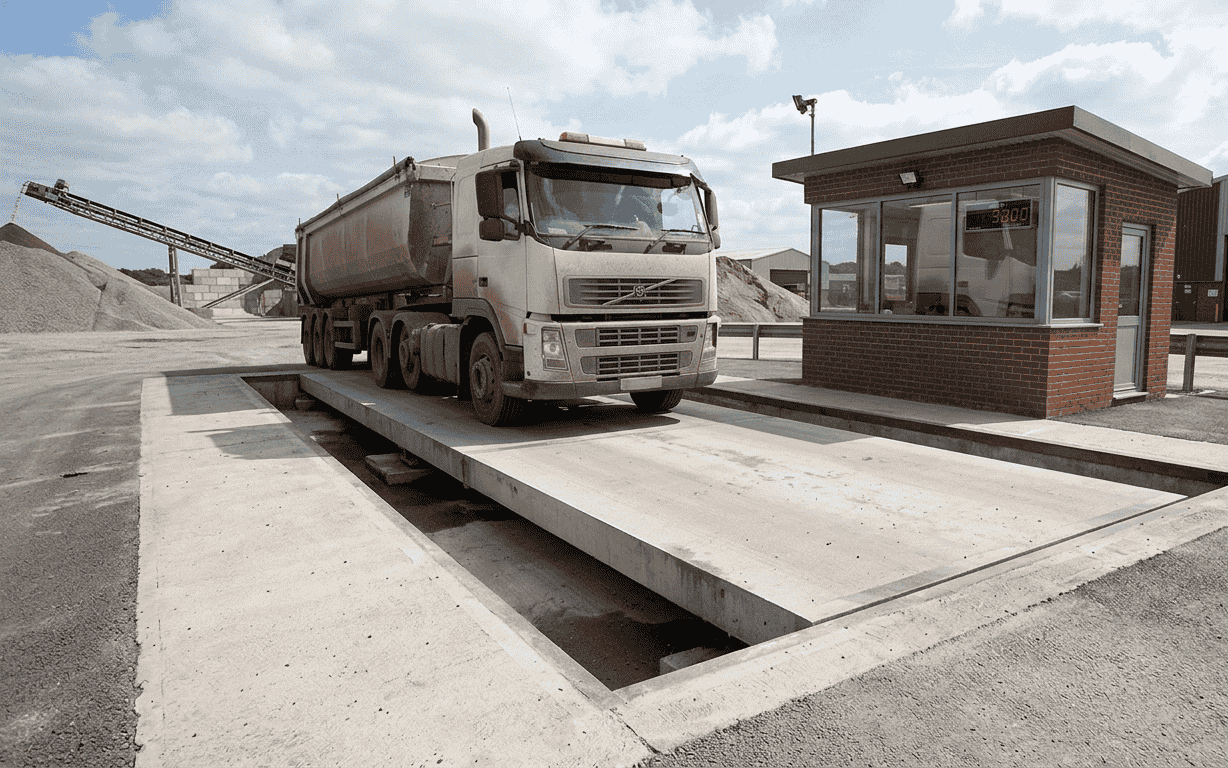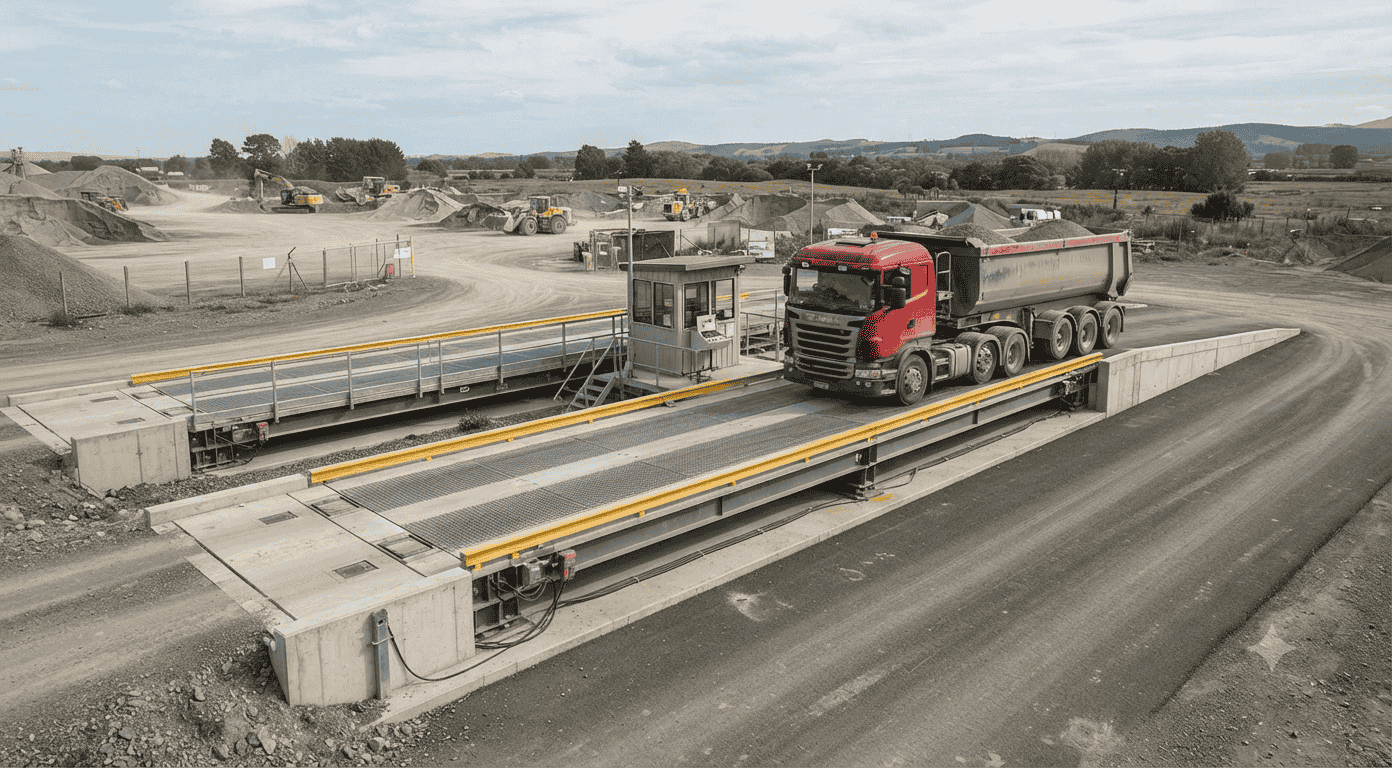
A multi-deck weighbridge helps industrial facilities weigh different vehicle types and manage vehicle movement across busy loading points. Finding a suitable Multi Deck Weighbridge Manufacturer and Supplier in India requires attention to capacity, deck configuration, vehicle dimensions, installation conditions and weighing requirements.
Why a Multi-Deck Arrangement Matters for Heavy Vehicle Weighing
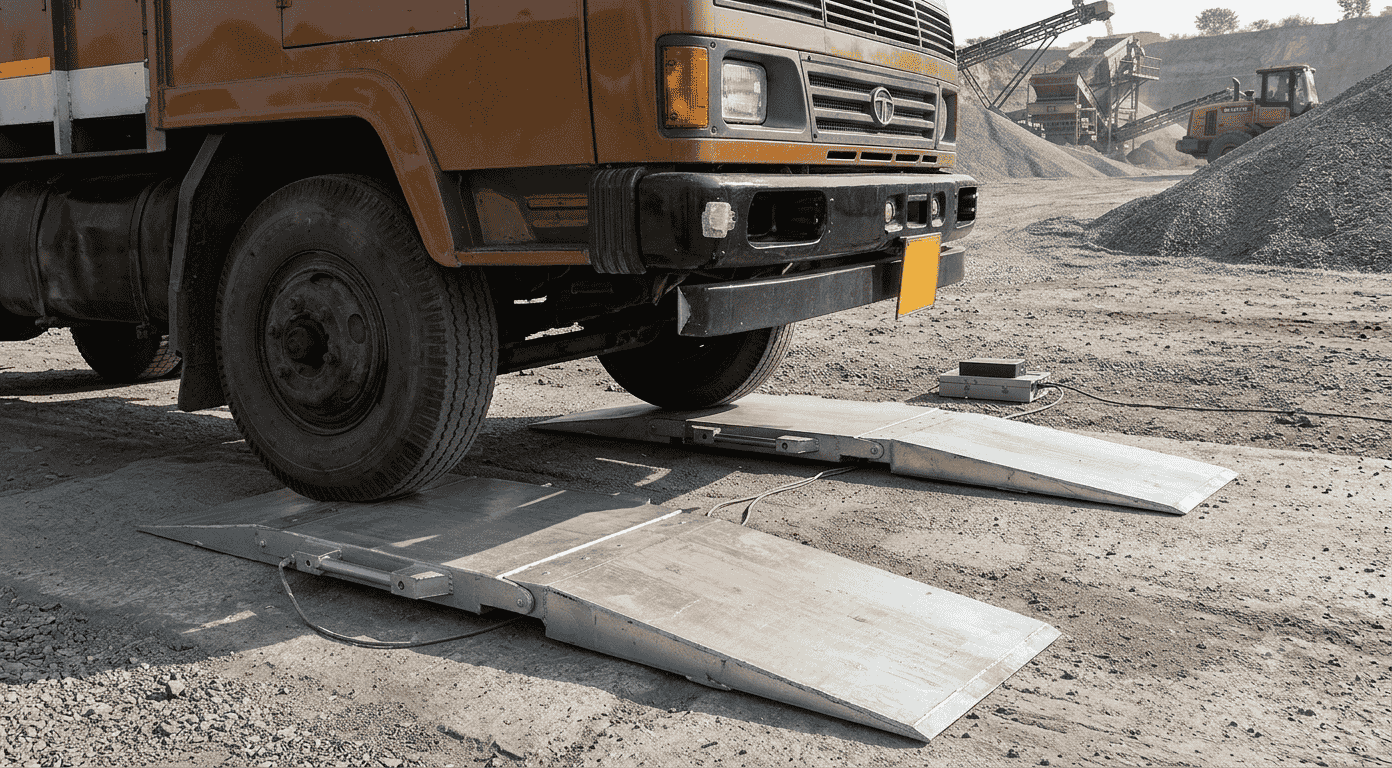
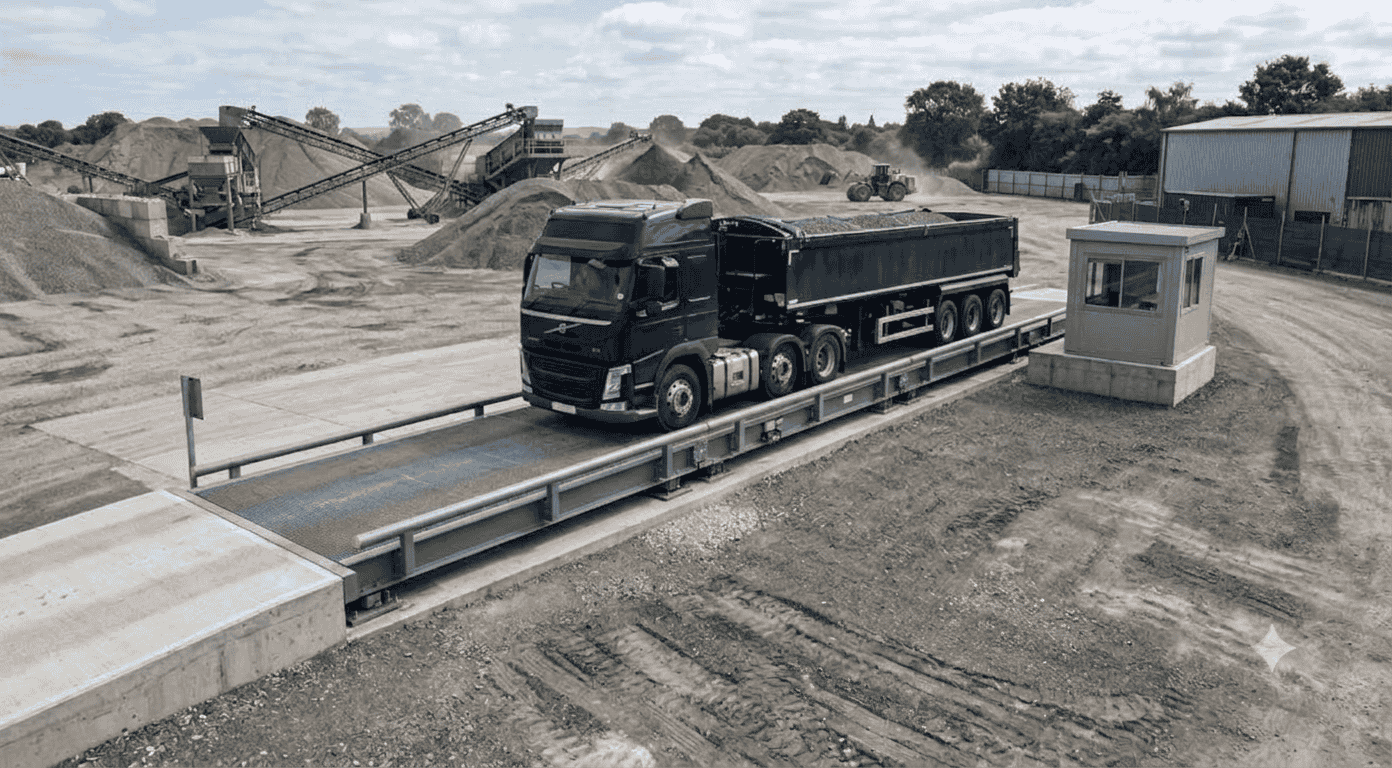
A conventional full-length weighbridge records the total vehicle weight. A multi-deck system adds another level of information by allowing separate axle groups or vehicle sections to be weighed individually.
This is useful when a business needs to examine both gross vehicle weight and the distribution of weight across different axle groups.
For example, a transport vehicle carrying bulk materials may remain within its overall permitted weight while placing excessive load on a particular axle group. Individual deck readings help operators identify such differences.
A multi-deck arrangement can support:
- Individual axle or axle-group weight recording.
- Combined vehicle weight calculation.
- Monitoring of load distribution.
- Assessment of overloaded vehicle sections.
- Weighing of different heavy vehicle configurations.
How the Weighing System Records Individual Deck Loads
Each deck functions as an individual weighing platform supported by its weighing components. The readings are then processed to provide separate deck weights and, where configured, a combined vehicle weight.
The general weighing sequence is:
1. Vehicle positioning: The driver brings the vehicle onto the designated weighing platform and positions it according to the operating instructions.
2. Load detection: The load cells beneath the individual decks respond to the applied vehicle load.
3. Weight measurement: The weighing electronics receive signals from the load cells and calculate the weight supported by each deck.
4. Weight consolidation: The digital terminal or configured weighing system displays individual readings and can calculate their combined total.
5. Record management: The operator checks the readings and records the required vehicle and transaction details.
The operator should follow the configured weighing sequence to avoid incomplete or incorrect readings.
Matching Deck Lengths With Actual Truck Dimensions
One of the most important design decisions is the relationship between vehicle dimensions and deck arrangement.
A platform designed around the wrong vehicle configuration may create positioning difficulties or fail to provide the required axle-group information.
Before requesting a quotation, buyers should evaluate:
- Vehicle length: Measure the longest vehicle combination expected at the facility.
- Axle arrangement: Identify the number of axles and the distance between axle groups.
- Deck dimensions: Determine suitable individual deck lengths rather than assuming every section must be identical.
- Platform width: Check vehicle width, tyre positioning and the required clearance.
- Rated capacity: Consider gross vehicle weight as well as the expected load distribution.
- Weighing objective: Clarify whether the requirement is individual axle monitoring, combined vehicle weighing or both.
Exelon lists mild-steel deck construction, different deck arrangements and standard platform-width options on its product information page.
Exelon Weighing System
Site Planning Before Bringing the Equipment to Installation
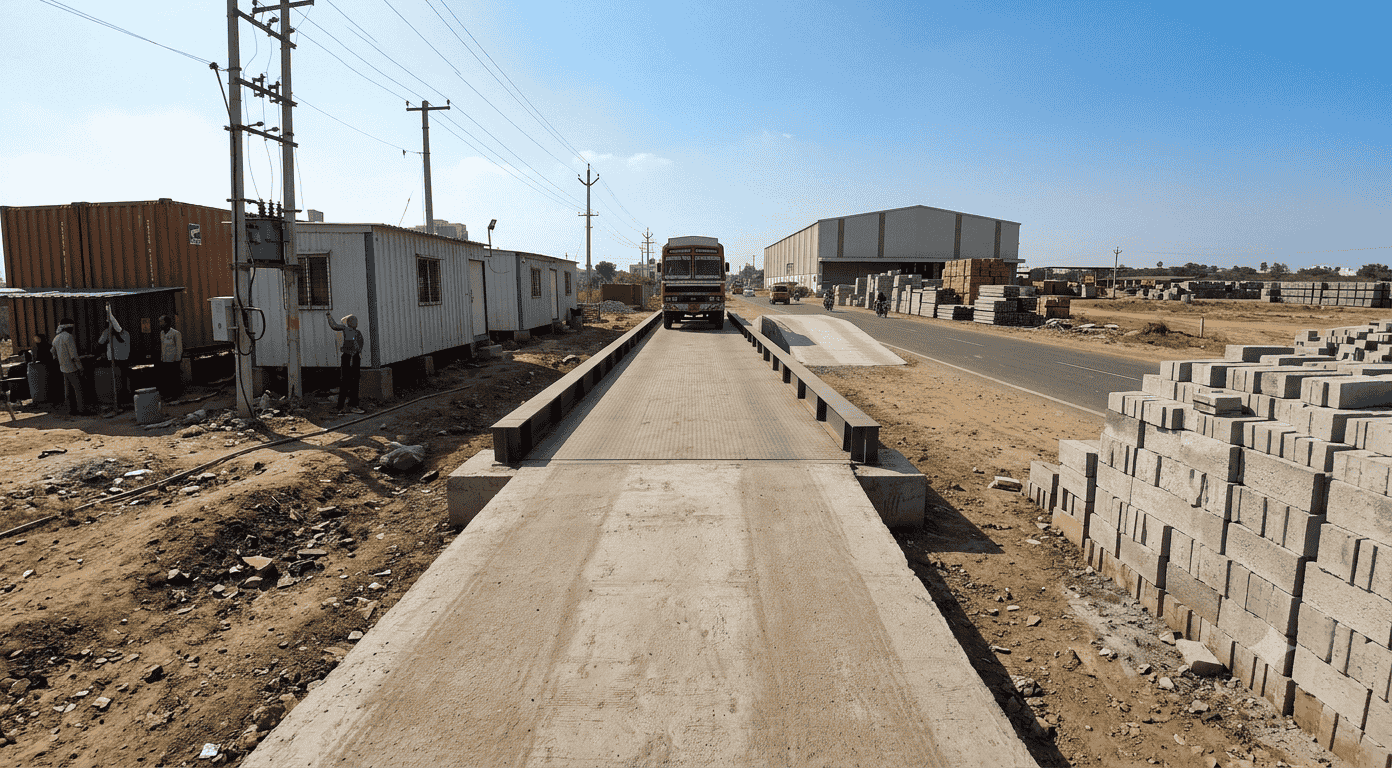
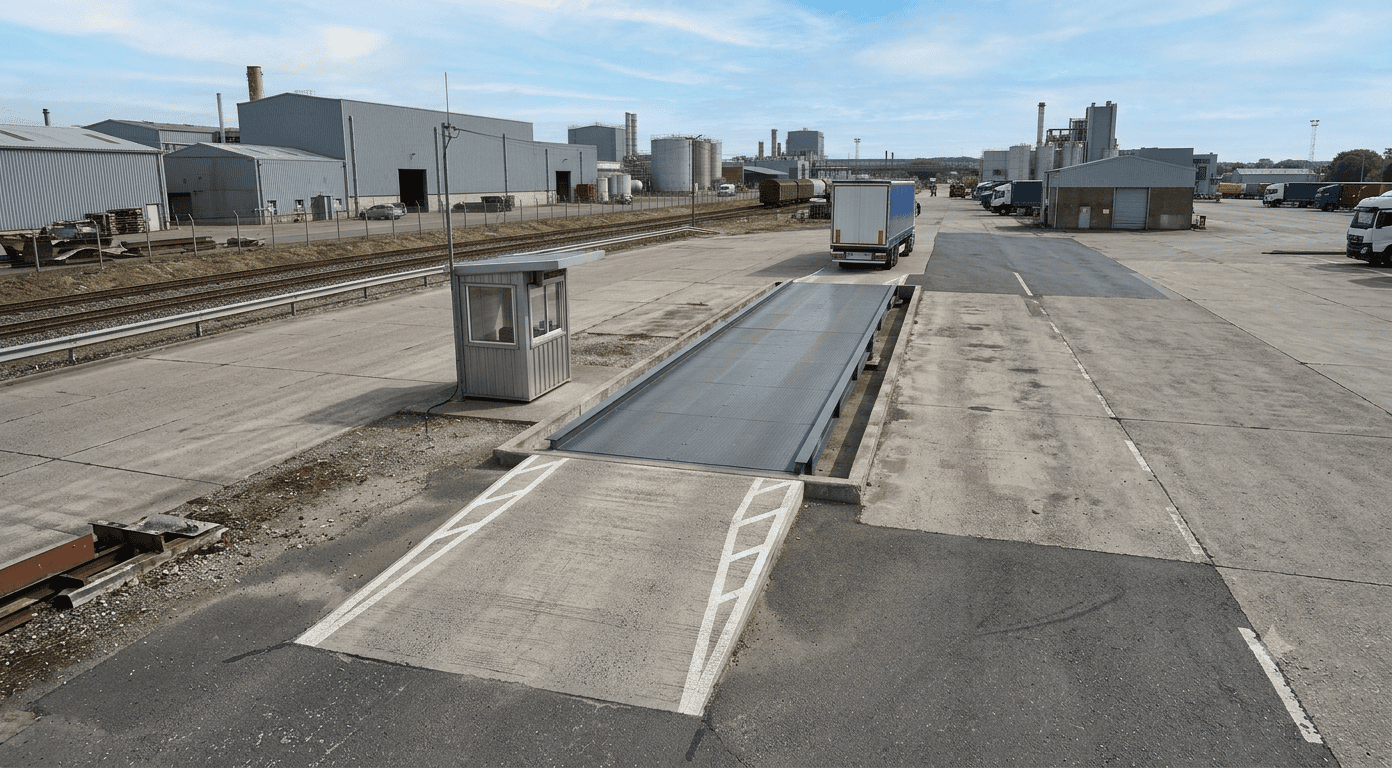
A multi-deck system requires more than sufficient space for the weighing platform. The surrounding vehicle approach, exit route and foundation arrangement also affect its operation.
The installation layout should account for:
1. Foundation and platform arrangement
Decide whether an above-ground, semi-pit or fully inground arrangement suits the available site. Foundation drawings and civil work should be coordinated with the equipment supplier.
2. Vehicle approach and exit
Provide sufficient straight approach and exit space so that heavy vehicles can enter, position themselves and leave without difficult manoeuvring.
3. Deck alignment
The individual platforms must be installed in the intended sequence and alignment. Uneven positioning can affect vehicle movement and weighing conditions.
4. Electrical and control arrangements
Plan the power supply, load-cell cabling, junction boxes, digital terminal and operator location before installation begins.
5. Access for inspection
Keep suitable access around relevant weighing components so that routine inspection and servicing can be performed without unnecessary site disruption.
Commissioning should include installation checks, system testing and verification of weighing performance by qualified personnel.
What Should Be Checked When Weighing Results Become Inconsistent?
Differences between expected and displayed readings should be investigated systematically. The issue may relate to vehicle positioning, platform movement, weighing components or the electronic system.
| Common Issue | Possible Cause | Practical Check |
| Different readings during repeated weighing | Inconsistent vehicle positioning | Repeat the weighing procedure under the same conditions |
| One deck shows unusual readings | Load-cell or connection issue | Arrange inspection by a qualified technician |
| Combined weight does not match expectations | Incorrect deck configuration or calculation | Review the summing configuration and individual readings |
| Unstable weight display | Loose connection or electrical interference | Request inspection of wiring and weighing electronics |
| Platform movement or unusual noise | Mechanical restraint or structural issue | Stop operation if unsafe and arrange technical inspection |
Do not attempt to adjust load cells, electrical connections or weighing calibration without appropriate technical support.
Purchasing Checks That Matter Beyond the Quoted Price
A weighbridge is a long-term operating asset. Comparing quotations only on the basis of the initial purchase price can lead to problems during installation and daily use.
Before finalizing an order, ask the manufacturer or supplier to clarify the following:
- Deck configuration: Is the proposed arrangement suitable for the vehicle types being weighed?
- Capacity: Are gross capacity and individual deck loading requirements clearly defined?
- Load cells: Confirm the type, rated capacity and protection details of the weighing components.
- Fabrication: Review the structural design, platform construction and fabrication specifications.
- Weighing terminal: Check whether individual deck readings and combined weight are available as required.
- Installation scope: Clarify foundation responsibilities, electrical work and commissioning assistance.
- Testing: Understand the procedure for checking each deck and the combined weighing system.
- Documentation: Request equipment specifications, drawings, operating instructions and applicable test records.
- After-sales support: Discuss inspection, servicing, spare-part availability and technical assistance.
Buyers should also confirm applicable legal metrology and verification requirements for their intended use before placing an order.
Maintenance Planning for Multiple Weighing Platforms
Since the system contains several weighing sections, maintenance should cover every deck rather than concentrating only on the main display terminal.
A practical maintenance plan includes:
- Remove accumulated mud, stones and debris from accessible platform areas.
- Inspect deck surfaces, joints, fasteners and structural components.
- Check the condition of load-cell cables and protective arrangements.
- Look for signs of corrosion, water accumulation or physical damage.
- Review unusual changes in individual deck readings.
- Keep weighing terminals and associated equipment clean.
- Arrange periodic inspection and calibration through qualified service personnel.
The service schedule should follow the manufacturer’s recommendations and account for vehicle traffic, operating conditions and environmental exposure.
Industrial Weighing Support From Exelon Weighing System
Exelon Weighing System provides industrial weighing equipment and multi-deck weighbridge solutions for vehicle weighing requirements. Its product information covers different deck arrangements, individual axle-group weighing and digital weight consolidation.
With manufacturing support from Ahmedabad, Gujarat, India, the company provides a point of contact for buyers planning industrial vehicle-weighing installations.
Visit the official website, truckscale.in, to review the multi-deck weighbridge product details.
When discussing a project with Exelon Weighing System, buyers can clarify:
- Required vehicle types and weighing capacity.
- Deck dimensions and platform configuration.
- Weighing terminal and individual deck reading requirements.
- Site layout and installation considerations.
The final equipment arrangement should be based on vehicle measurements, site conditions and the intended weighing process.
Services
1. Weighing Requirement Assessment: Understanding vehicle dimensions, axle arrangements and required weighing capacity.
2. Multi-Deck Configuration Planning: Evaluating deck lengths, platform width and weighing system requirements.
3. Installation and Commissioning Assistance: Supporting equipment installation planning and system commissioning requirements.
4. Technical and After-Sales Support: Assistance with weighing system inspection, maintenance and spare-part requirements.
Location
Industrial vehicle weighing requirements are relevant across manufacturing, logistics, mining, infrastructure and bulk material handling sectors throughout India. Exelon Weighing System provides manufacturing support from Ahmedabad, Gujarat, India, with industrial relevance across Ahmedabad, Vadodara, Surat, Rajkot, Jamnagar, Bhavnagar, Gandhinagar, Bharuch, Ankleshwar, Vapi, Morbi, Mumbai, Pune, Nashik, Nagpur, Aurangabad, Indore, Bhopal, Jaipur, Jodhpur, Delhi NCR, Faridabad, Ludhiana, Chandigarh and Bengaluru.
Frequently Asked Questions
Q: What is the main purpose of a multi-deck weighbridge?
A: It measures individual axle or axle-group loads through separate weighing decks. The readings can also be combined to determine the overall vehicle weight.
Q: Can different deck lengths be used in one weighbridge?
A: Yes. Individual decks can have different lengths depending on vehicle dimensions, axle spacing and the required weighing arrangement. The configuration should be finalized during project planning.
Q: Which foundation arrangement is suitable for a multi-deck weighbridge?
A: Above-ground, semi-pit and fully inground arrangements are possible. The suitable option depends on site conditions, available space, civil construction requirements and maintenance access.
Q: What information should be shared with a manufacturer before requesting a quotation?
A: Share vehicle dimensions, axle configuration, expected gross weight, individual axle loads, daily traffic, site layout and weighing requirements. These details help determine a suitable system configuration.
Conclusion
Selecting a suitable multi-deck weighing system involves more than deciding its total capacity. Deck dimensions, axle arrangements, foundation design, load-cell configuration and maintenance access all influence long-term operation. Exelon Weighing System offers manufacturing support from Ahmedabad, Gujarat, India, for industrial buyers evaluating their weighing requirements.
Planning a vehicle weighing installation? Contact Exelon Weighing System to discuss your capacity requirements, deck configuration, installation conditions and technical support needs.
Website: https://truckscale.in/
CALL US:
(+91) 990 407 8662
(+91) 990 407 8664
MAIL US:
sales@ewsindia.net