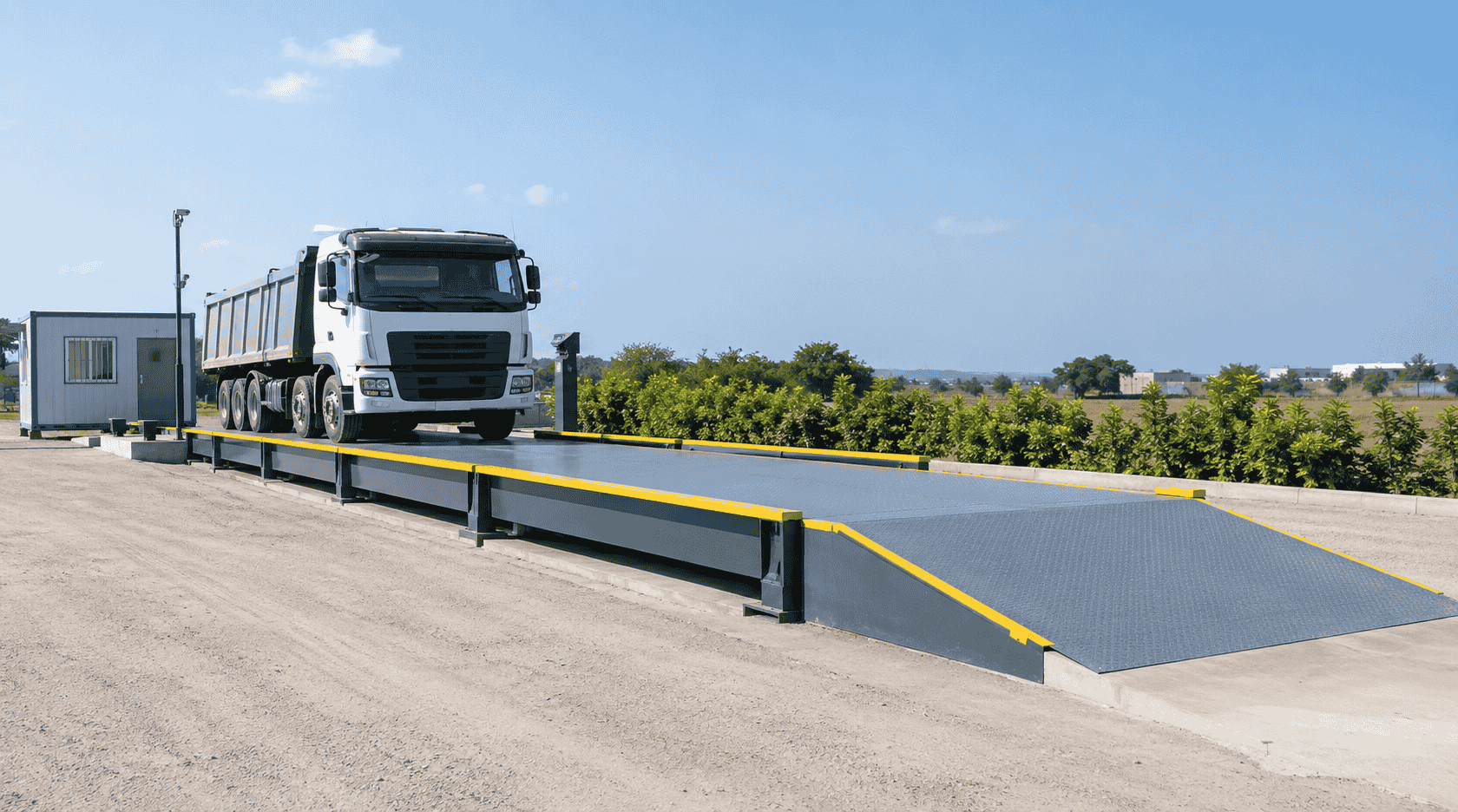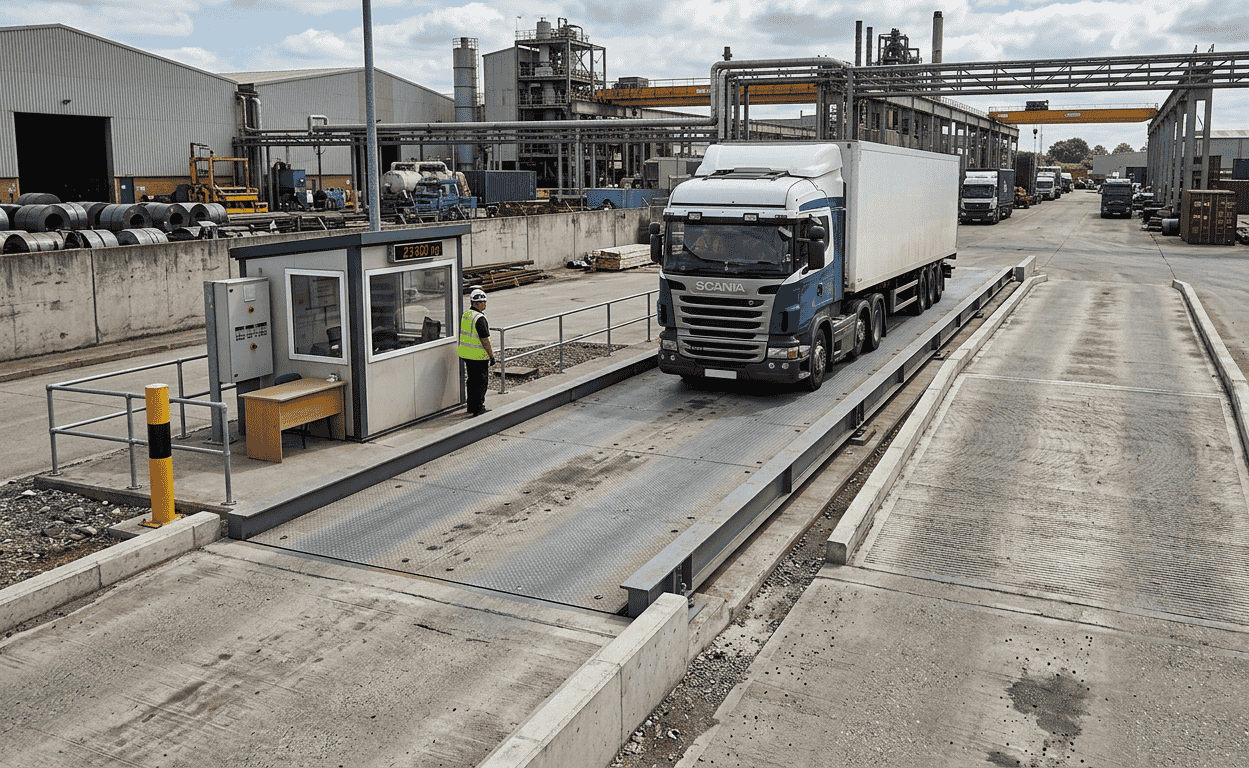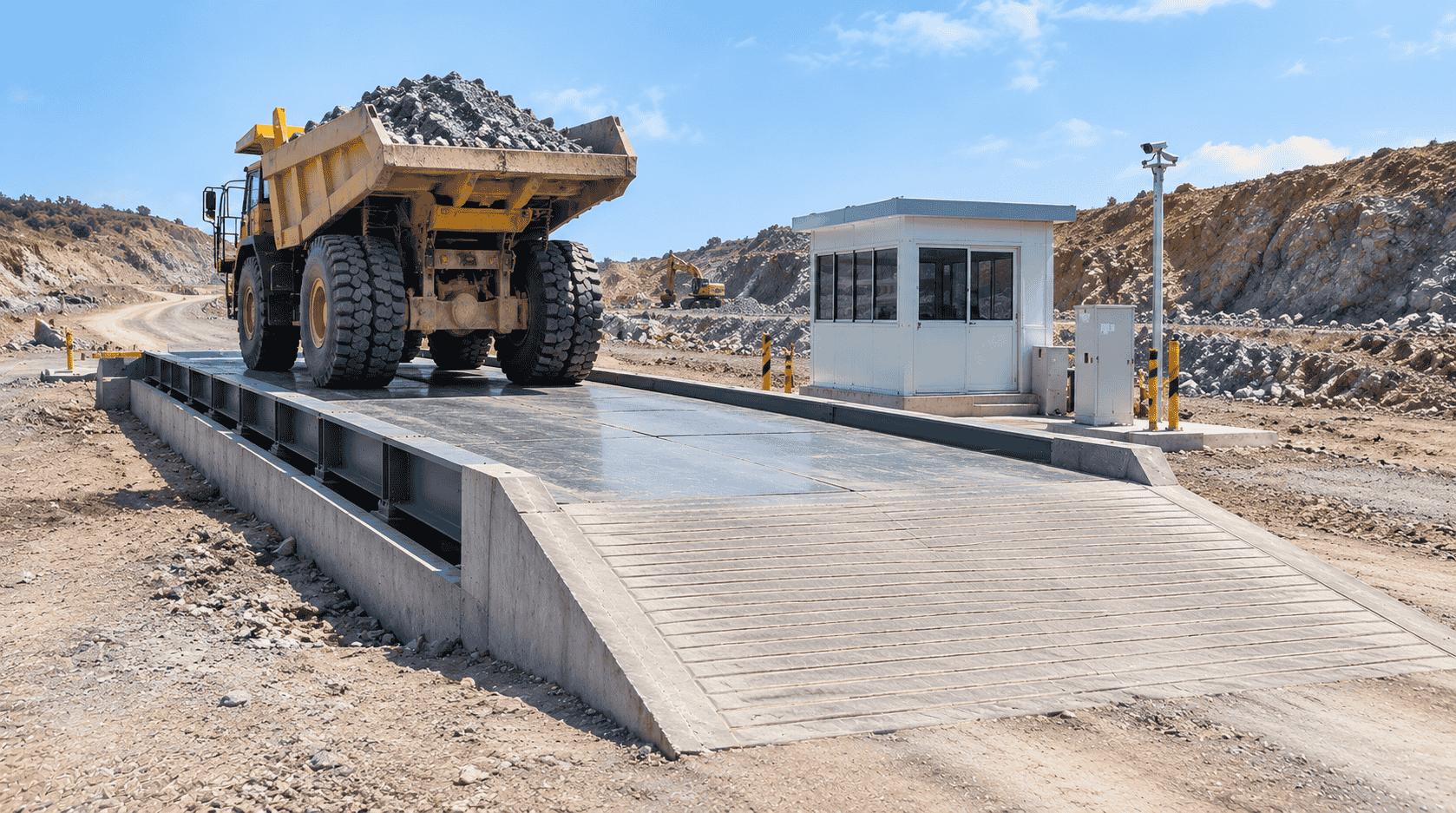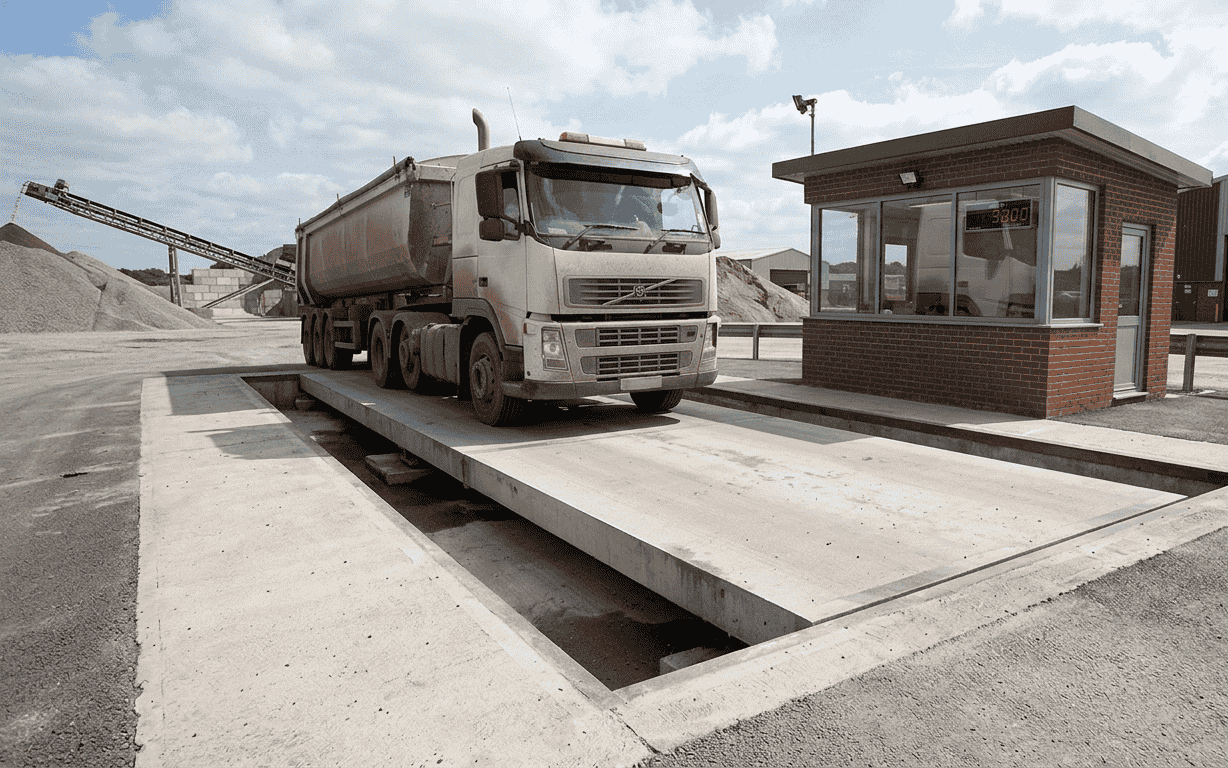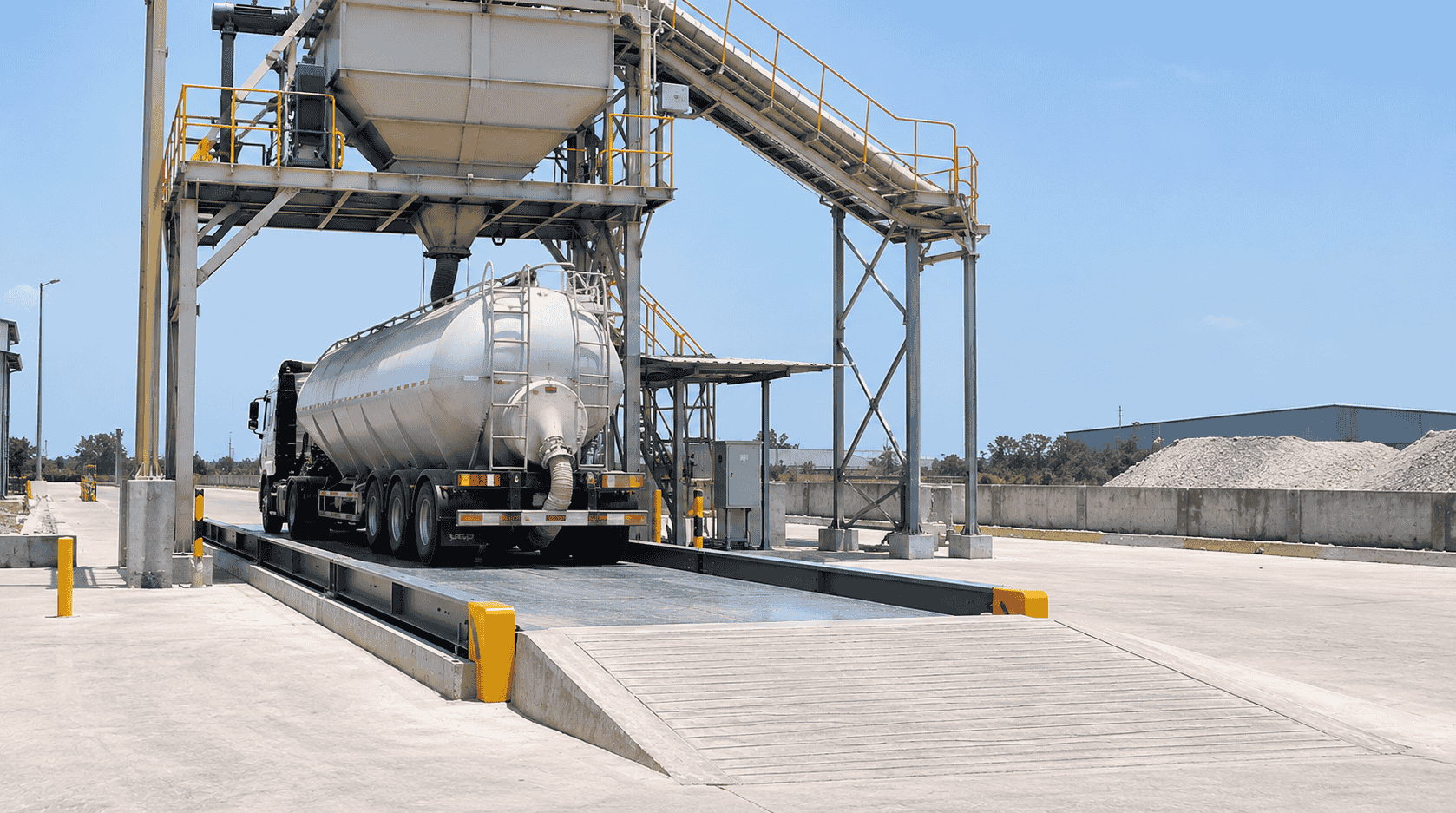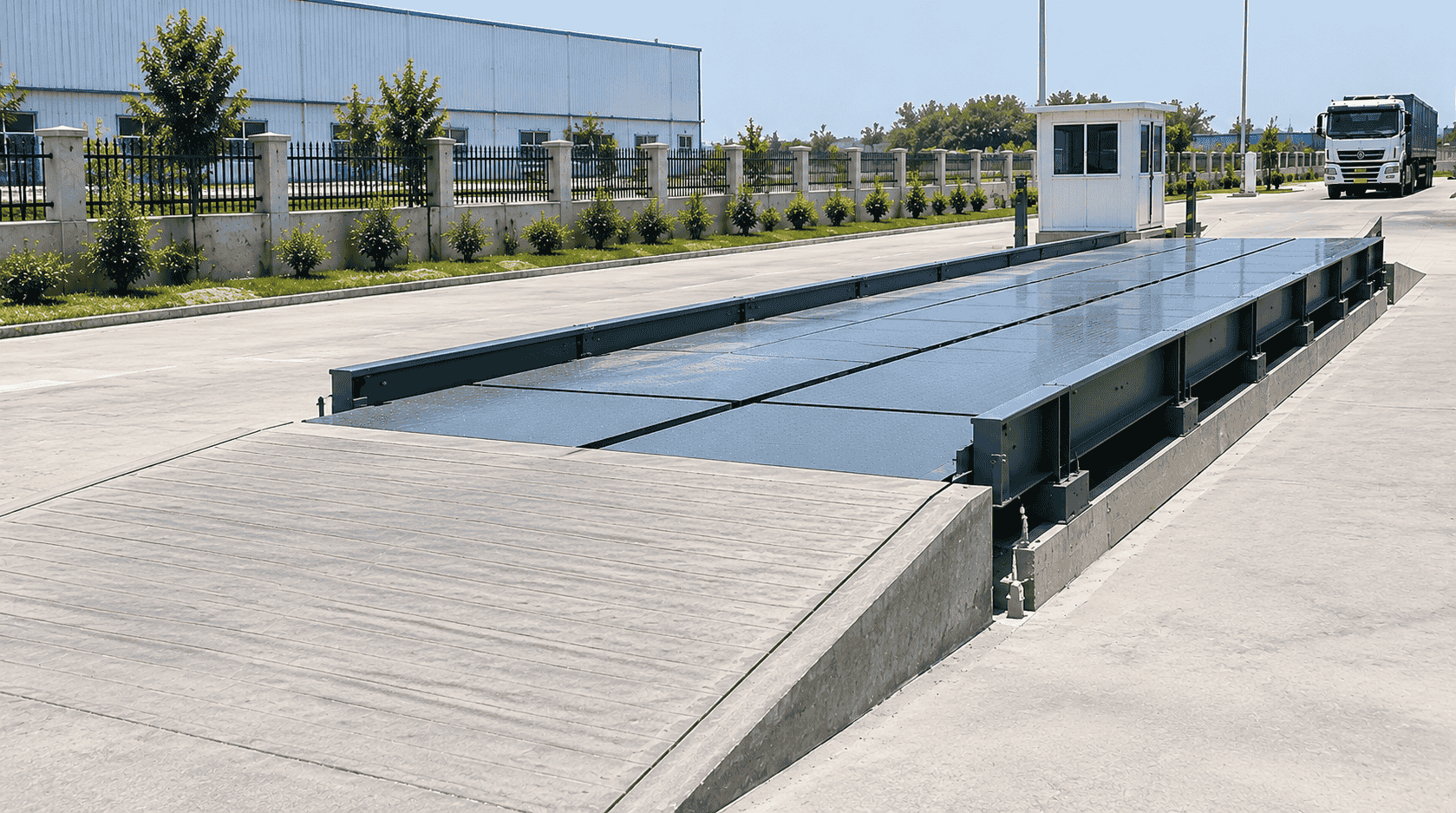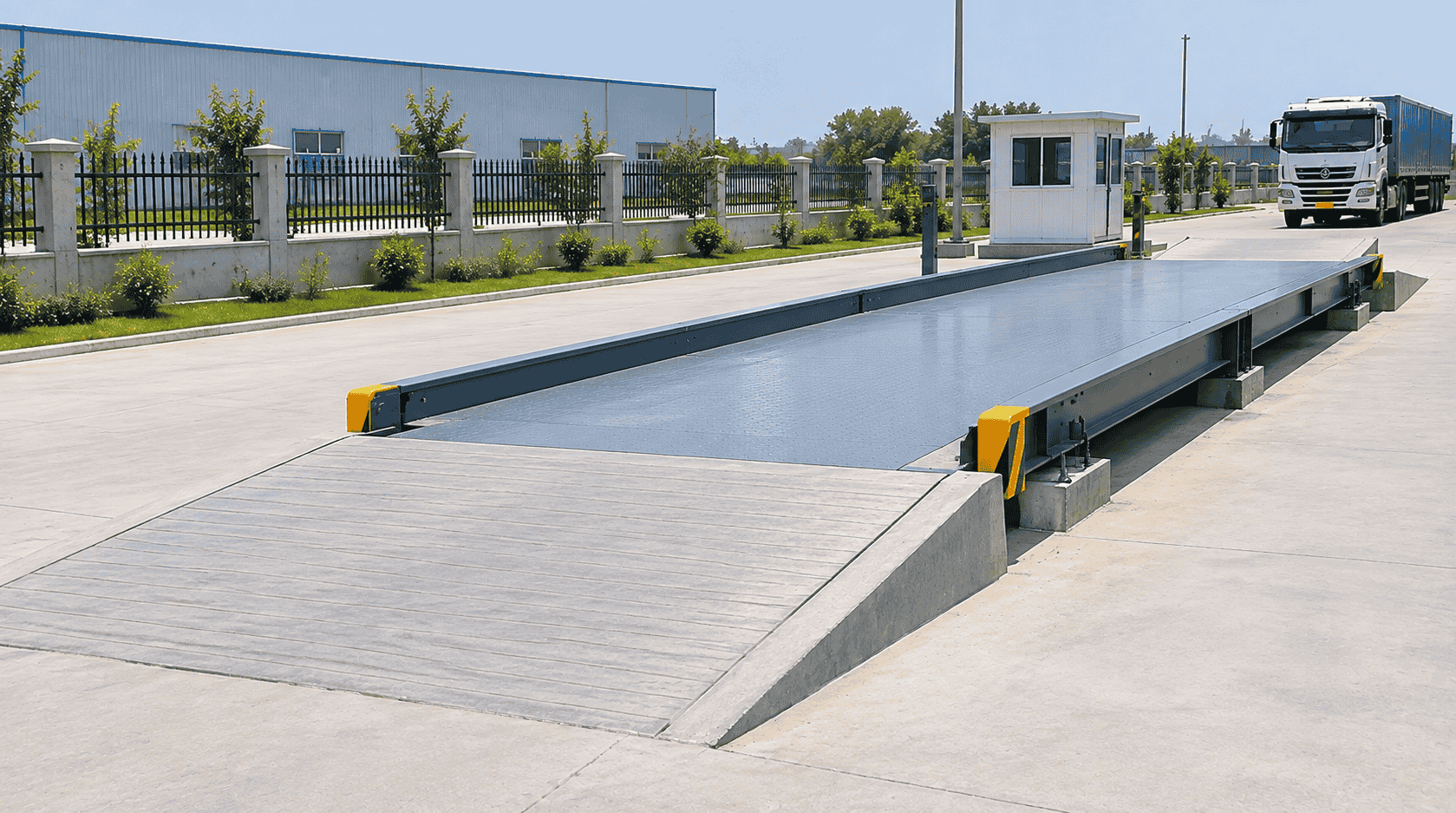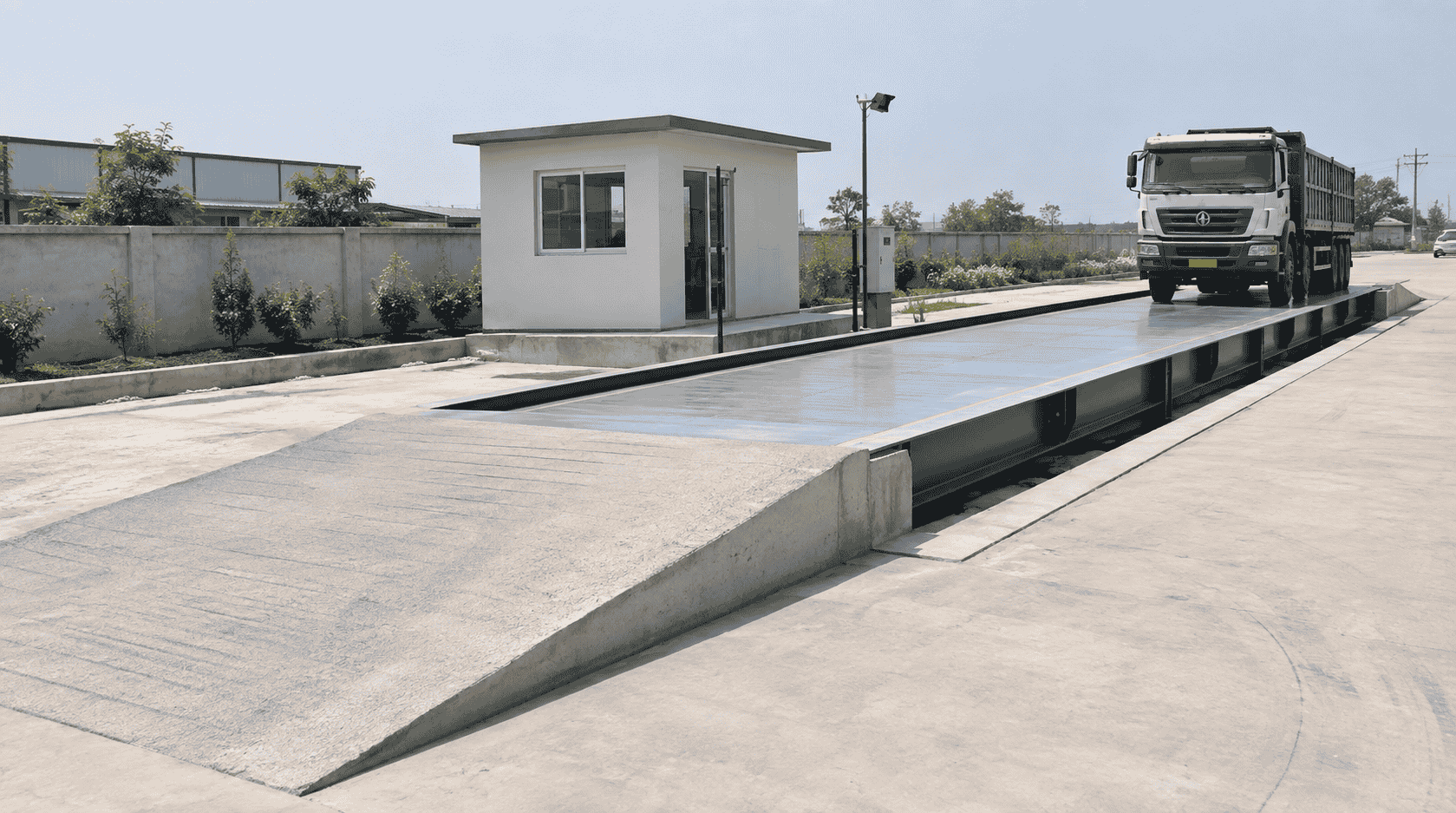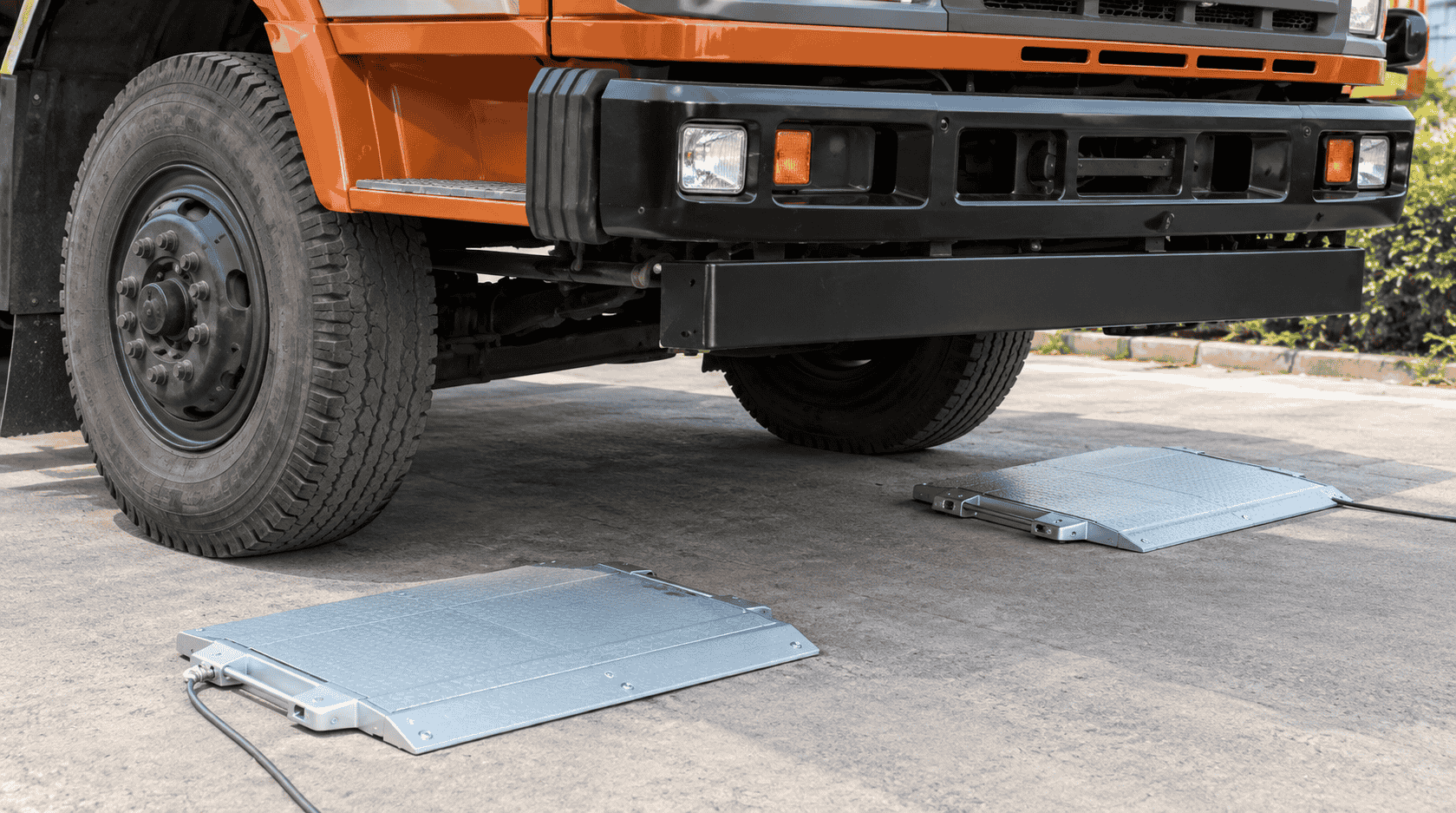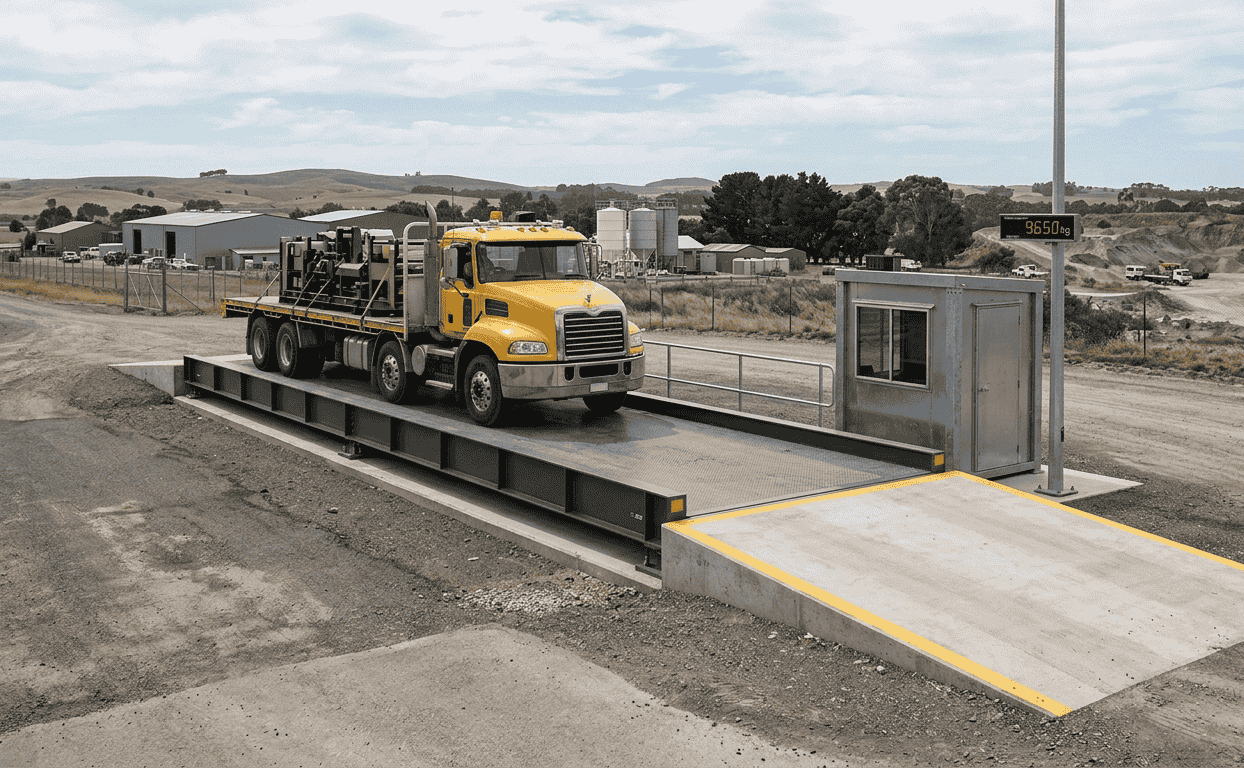
Self-contained weighbridges help businesses in Mali measure vehicle loads at industrial sites, mines, warehouses, and logistics facilities. Exelon Weighing System supports weighing requirements with manufacturing support from Ahmedabad, Gujarat, India, helping buyers plan suitable truck-weighing installations.
Understanding Self-Contained Weighbridges for Vehicle Weighing
A self-contained weighbridge is a vehicle weighing system designed around an integrated weighing platform and associated weighing components. Depending on the configuration, it can help businesses record the gross weight of loaded vehicles and the tare weight of empty vehicles to determine net cargo weight.
For buyers in Mali, this equipment can support operations involving:
– Mining and mineral transportation.
– Agricultural commodity collection and distribution.
– Cement, construction materials, and aggregates.
– Freight terminals, warehouses, and industrial dispatch areas.
– Commercial vehicle loading and unloading.
The required configuration depends on vehicle dimensions, expected loads, site conditions, and the weighing process.
What Should Buyers Assess Before Selecting a Weighbridge?
A weighbridge should match the vehicles and materials moving through the facility rather than being selected on price alone.
Before requesting a quotation, establish the following requirements:
– Maximum vehicle load: Consider the heaviest fully loaded vehicle expected to use the platform.
– Vehicle dimensions: Check wheelbase, axle arrangement, overall vehicle length, and approach requirements.
– Traffic frequency: Daily vehicle movements influence operational planning and maintenance requirements.
– Weighing purpose: Commercial transactions, inventory control, and internal material tracking may require different documentation and operating procedures.
– Site conditions: Evaluate available land, drainage, ground stability, and vehicle turning space.
These details help the exporter propose a configuration suited to the actual operating environment.
How the Weighing Process Works at Industrial Sites
A self-contained weighbridge generally measures the load applied by a vehicle on its weighing platform through load cells and associated electronic weighing equipment.
A typical weighing sequence involves the following steps:
Step 1 – Vehicle Positioning
The driver moves the vehicle onto the platform and positions it according to the operating instructions.
Step 2 – Weight Measurement
The weighing system receives signals from its load cells and processes them through the weighing indicator or connected electronics.
Step 3 – Weight Recording
The displayed weight can be recorded manually or through compatible weighing software, depending on the supplied configuration.
Step 4 – Net Load Calculation
When both loaded and empty vehicle weights are available, the net material weight can be calculated by subtracting the tare weight from the gross weight.
Step 5 – Dispatch Verification
The recorded information can be checked against delivery documents, purchase records, or dispatch entries.
Correct vehicle positioning and suitable operating procedures are important for obtaining consistent weighing results.
Installation Conditions Buyers Should Confirm in Mali
Site preparation has a direct effect on the practical installation and operation of a weighbridge. Buyers should confirm the installation arrangement with the supplier before preparing the site.
Key planning points include:
– Foundation and ground conditions: Confirm the required foundation design and ground-bearing conditions for the proposed model.
– Platform access: Provide sufficient space for the longest vehicles, including safe approach and exit routes.
– Drainage: Plan drainage to reduce standing water around the platform and foundation.
– Electrical supply: Verify voltage, power availability, earthing, and environmental protection requirements for the supplied equipment.
– Operating environment: Consider dust, temperature variation, rain exposure, and the site’s cleaning practices.
– Commissioning arrangements: Clarify installation responsibilities, calibration requirements, testing procedures, and operator training before dispatch.
For remote locations or mining facilities, transport access and the availability of qualified installation personnel should also be considered during project planning.
Troubleshooting Weighing Problems Before They Affect Dispatch
Unusual readings or interruptions can delay vehicle movement and complicate material reconciliation. Operators should follow the supplier’s operating instructions and avoid unauthorized electrical or mechanical repairs.
| Common issue | Possible cause | Practical check |
| Weight readings fluctuate | Vehicle movement, uneven positioning, or environmental interference | Reposition the vehicle and check whether the reading stabilizes |
| Display does not respond | Power supply or communication issue | Check approved external connections and report persistent faults |
| Recorded weights differ unexpectedly | Incorrect tare entry or inconsistent weighing procedure | Verify vehicle identification and gross/tare records |
| Water or debris accumulates near the platform | Inadequate drainage or cleaning | Inspect drainage and arrange appropriate cleaning |
| Vehicle access becomes difficult | Damaged approach surface or poor site layout | Inspect the approach and exit areas for maintenance needs |
If readings remain inconsistent, the weighing system should be examined by qualified service personnel. Calibration and adjustments should follow the manufacturer’s recommendations and applicable local requirements.
Quality Checks and Documents to Request Before Ordering
An export purchase involves more than confirming the platform’s rated capacity. Buyers should verify that the proposed equipment, documentation, and installation arrangements meet their operational requirements.
Use this checklist when evaluating quotations:
– Confirm the rated capacity, platform dimensions, and compatible vehicle types.
– Request the technical datasheet and equipment configuration details.
– Verify the weighing indicator, load cells, junction components, and any included software or accessories.
– Clarify the inspection, testing, and calibration documentation available with the order.
– Confirm the foundation drawings and installation instructions.
– Review packing, shipping arrangements, delivery responsibilities, and expected project milestones.
– Ask about spare-part availability, technical assistance, and maintenance responsibilities.
For commercial weighing in Mali, buyers should also confirm applicable legal-metrology requirements with the relevant local authority before purchasing equipment for regulated transactions.
Planning the Export Purchase With Exelon Weighing System
Exelon Weighing System provides a starting point for discussing truck-weighing requirements and evaluating suitable equipment configurations. Its website, truckscale.in, can be used to explore the company’s weighing-system offerings and initiate a product enquiry.
With manufacturing support from Ahmedabad, Gujarat, India, buyers can discuss the technical information needed for an export proposal, including:
– Required weighing capacity and platform size.
– Vehicle types and daily traffic volume.
– Installation conditions at the Mali project site.
– Documentation, dispatch planning, and commissioning requirements.
– Technical support and spare-parts planning.
Before placing an order, buyers should confirm the exact model, included components, export arrangements, installation scope, and service availability directly with the supplier.
Services
– Weighbridge requirement assessment and product consultation.
– Capacity, platform configuration, and project planning guidance.
– Technical documentation and installation requirement coordination.
– Maintenance planning and spare-parts requirement discussions.
Location
For industrial and commercial projects across Mali, self-contained weighbridges may be relevant to mining, agricultural trading, construction-material handling, and freight transportation operations. Buyers can evaluate project requirements in Bamako, Kati, Koulikoro, Sikasso, Ségou, Mopti, Kayes, Gao, Tombouctou, Kidal, Ménaka, Taoudenni, San, Koutiala, Bougouni, Kita, Nioro du Sahel, Niono, Bla, Kolokani, Fana, Dioïla, Bandiagara, and Douentza according to the location of their facility and its vehicle traffic.
Frequently Asked Questions
Q: What information is required to request a self-contained weighbridge for Mali?
A: Buyers should provide the required capacity, platform dimensions, vehicle types, expected traffic volume, site location, and intended weighing purpose. These details help the supplier assess the appropriate configuration.
Q: Can a weighbridge be installed at a mining or remote industrial site?
A: Installation feasibility depends on ground conditions, access roads, foundation requirements, transport arrangements, and available technical support. The site should be assessed before the equipment configuration is finalized.
Q: How can buyers maintain reliable weighbridge readings?
A: Operators should follow consistent vehicle-positioning procedures, keep the platform and surrounding drainage clear, inspect visible components, and arrange periodic checks and calibration according to supplier recommendations.
Q: What should importers verify before exporting a weighbridge to Mali?
A: Confirm the technical specifications, packing and shipping responsibilities, import documentation, installation scope, applicable weighing regulations, and availability of after-sales support before finalizing the purchase.
Conclusion
Selecting a self-contained weighbridge for Mali requires attention to vehicle capacity, platform dimensions, site preparation, weighing procedures, and service arrangements. Exelon Weighing System offers a starting point for discussing these requirements, with manufacturing support from Ahmedabad, Gujarat, India, for buyers planning industrial weighing projects.
Contact Exelon Weighing System through truckscale.in to discuss your required capacity, vehicle dimensions, installation conditions, and export project requirements for Mali.
CALL US:
(+91) 990 407 8662
(+91) 990 407 8664
MAIL US:
sales@ewsindia.net
For further details, please feel free to contact us.