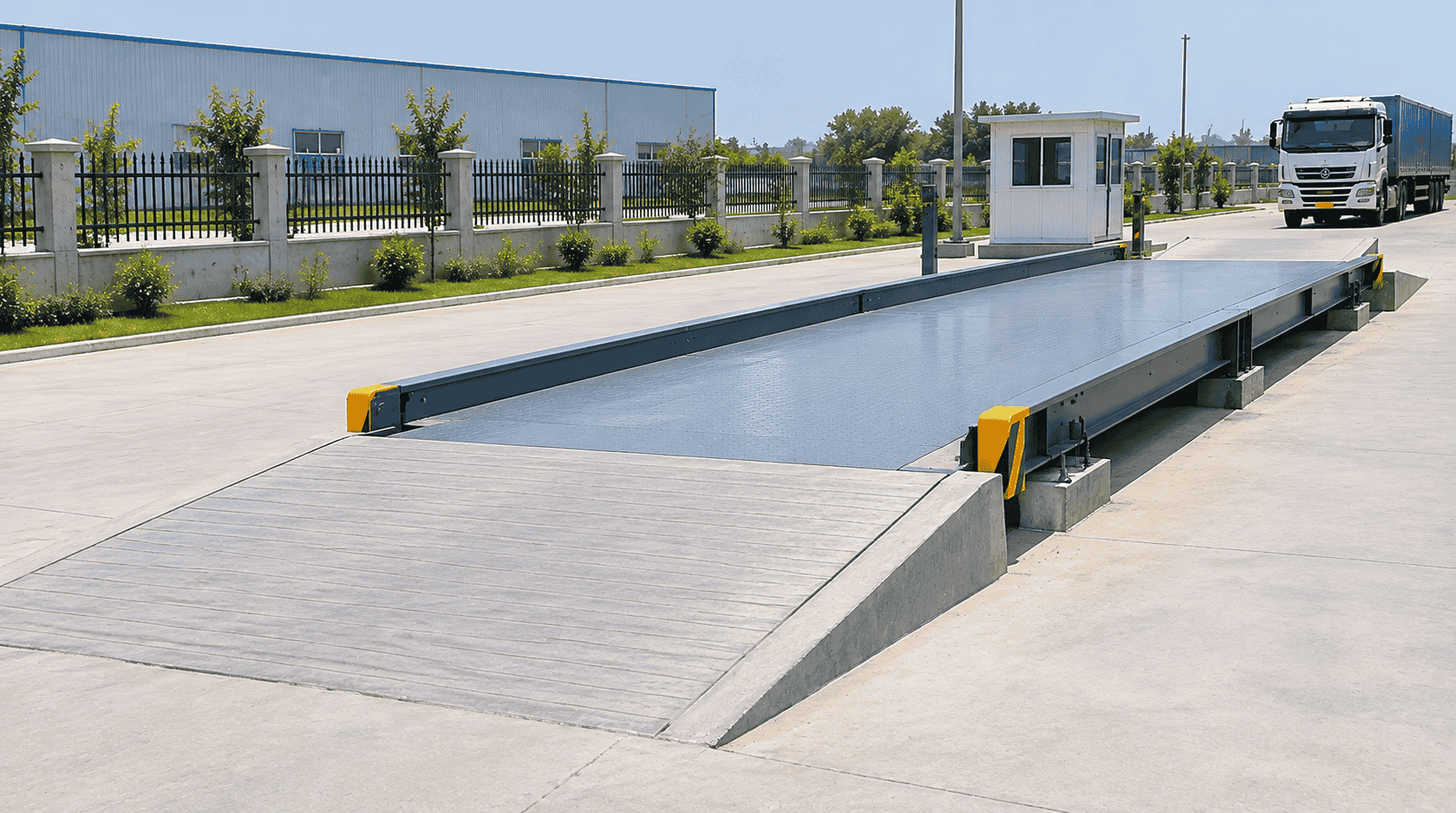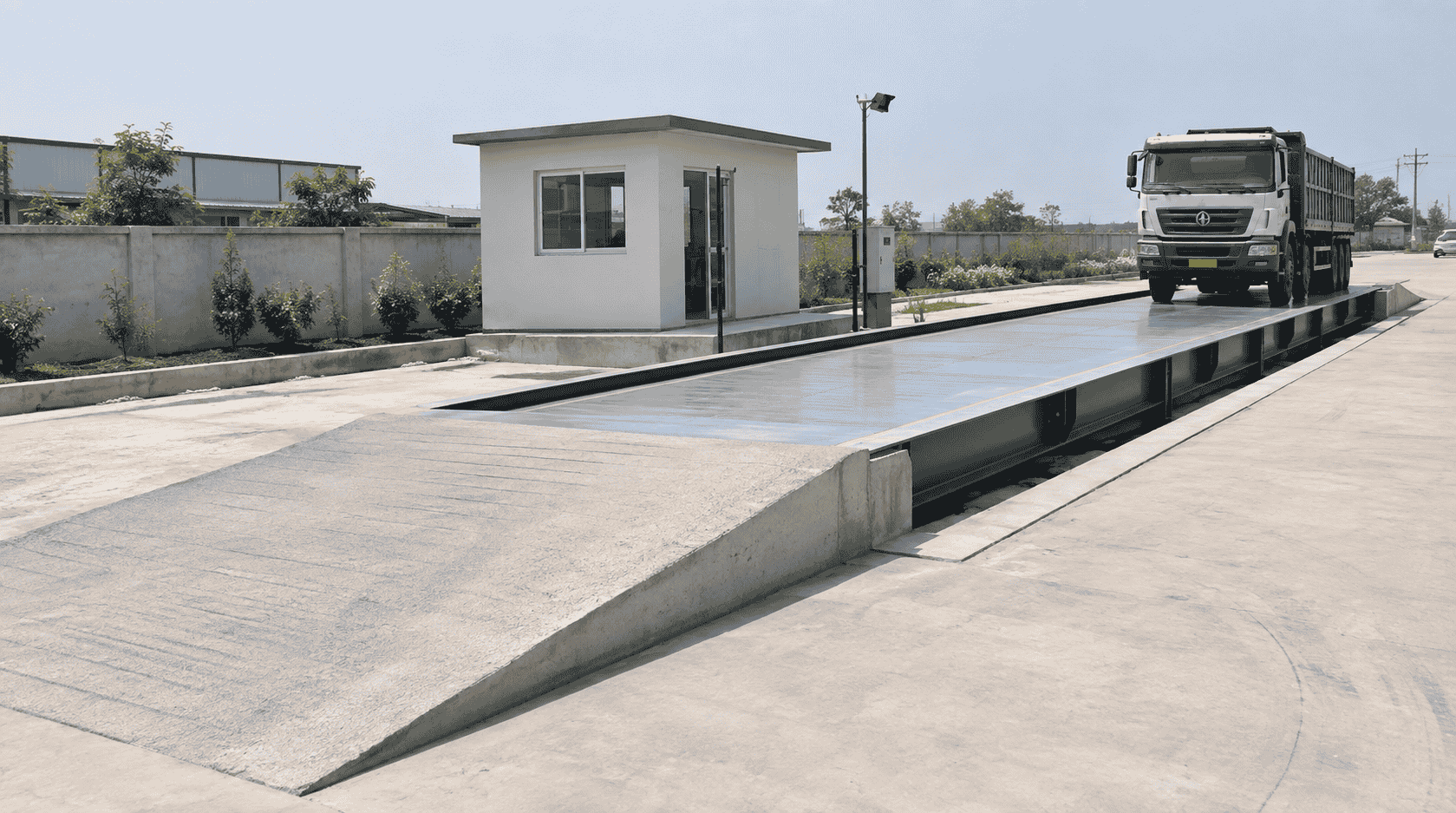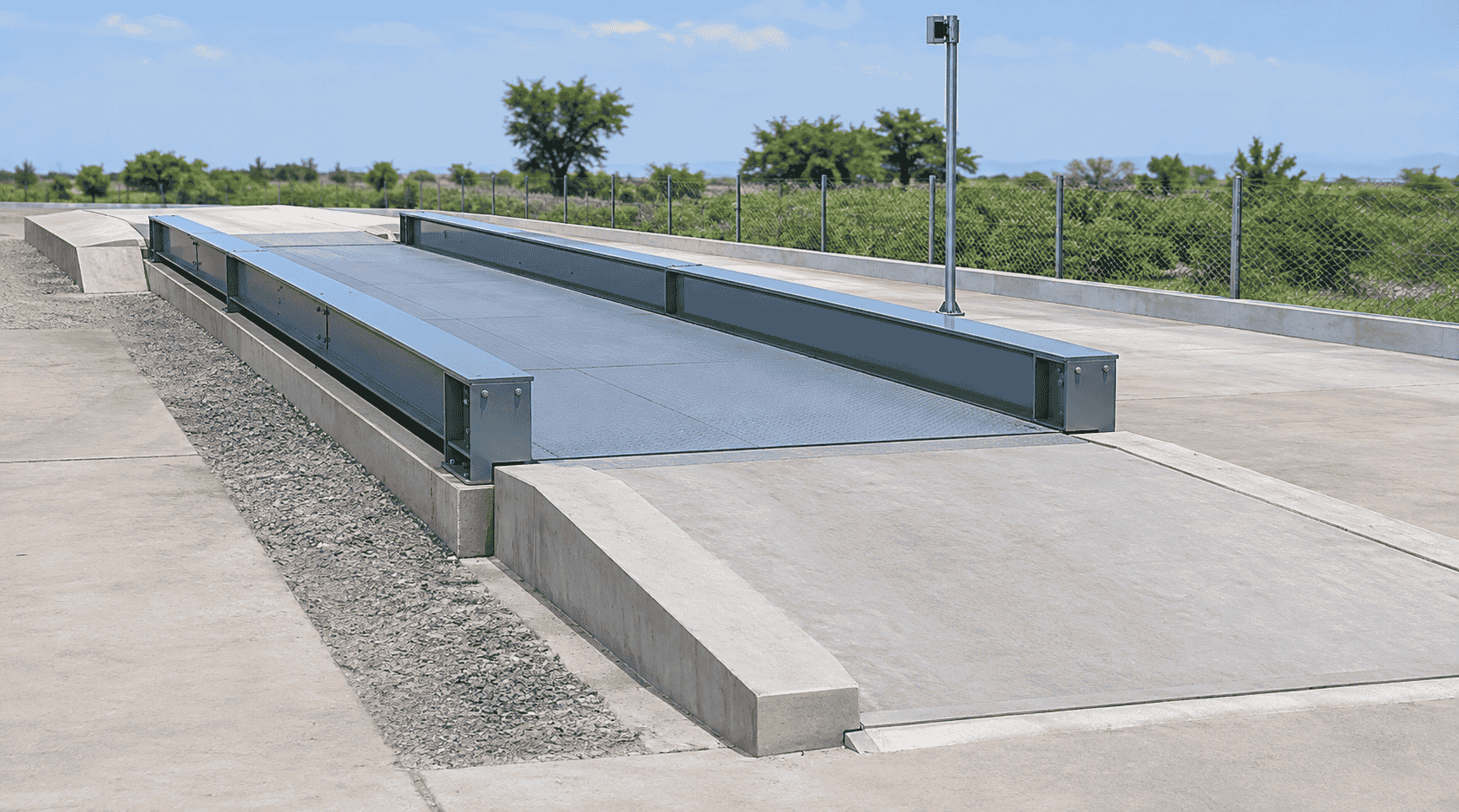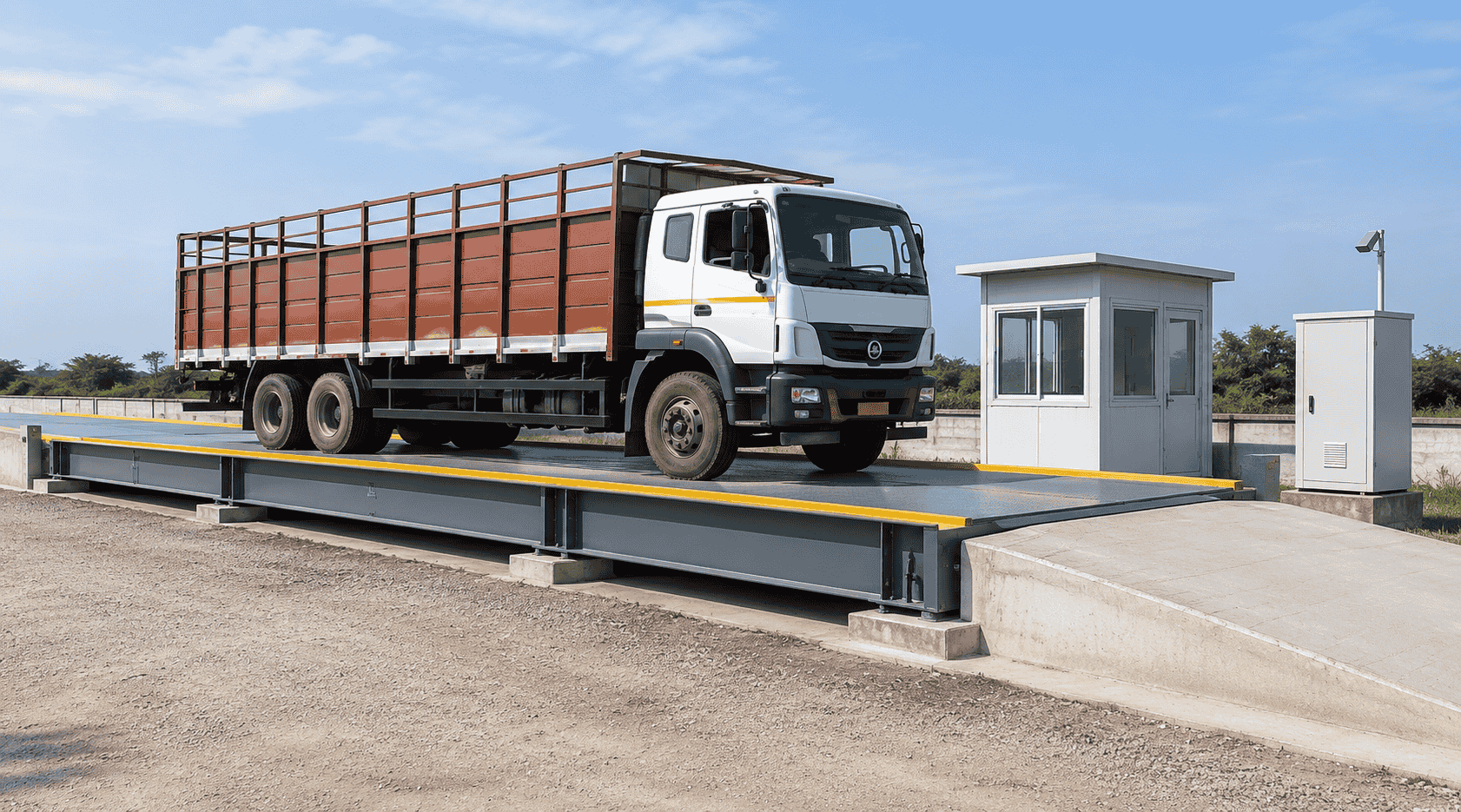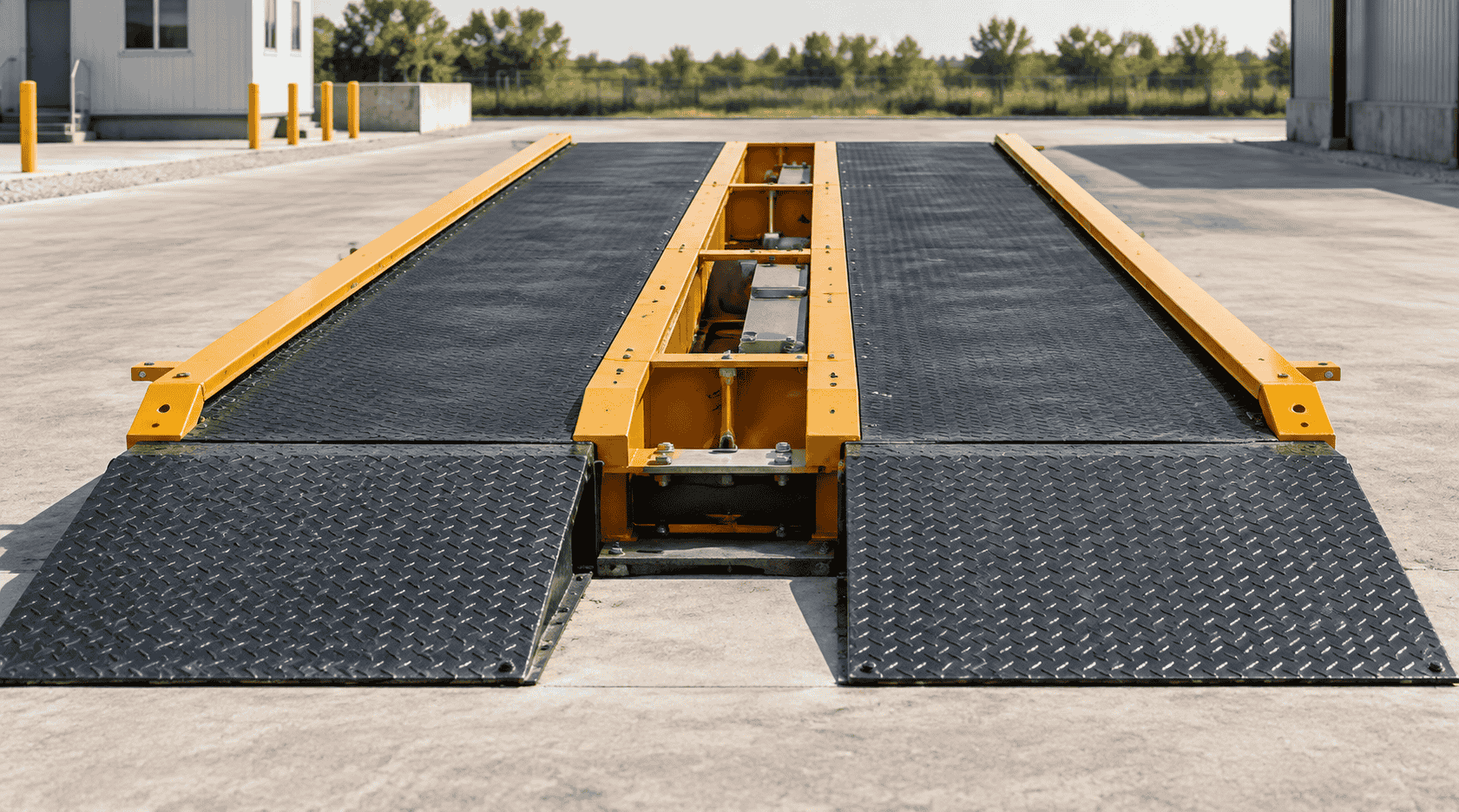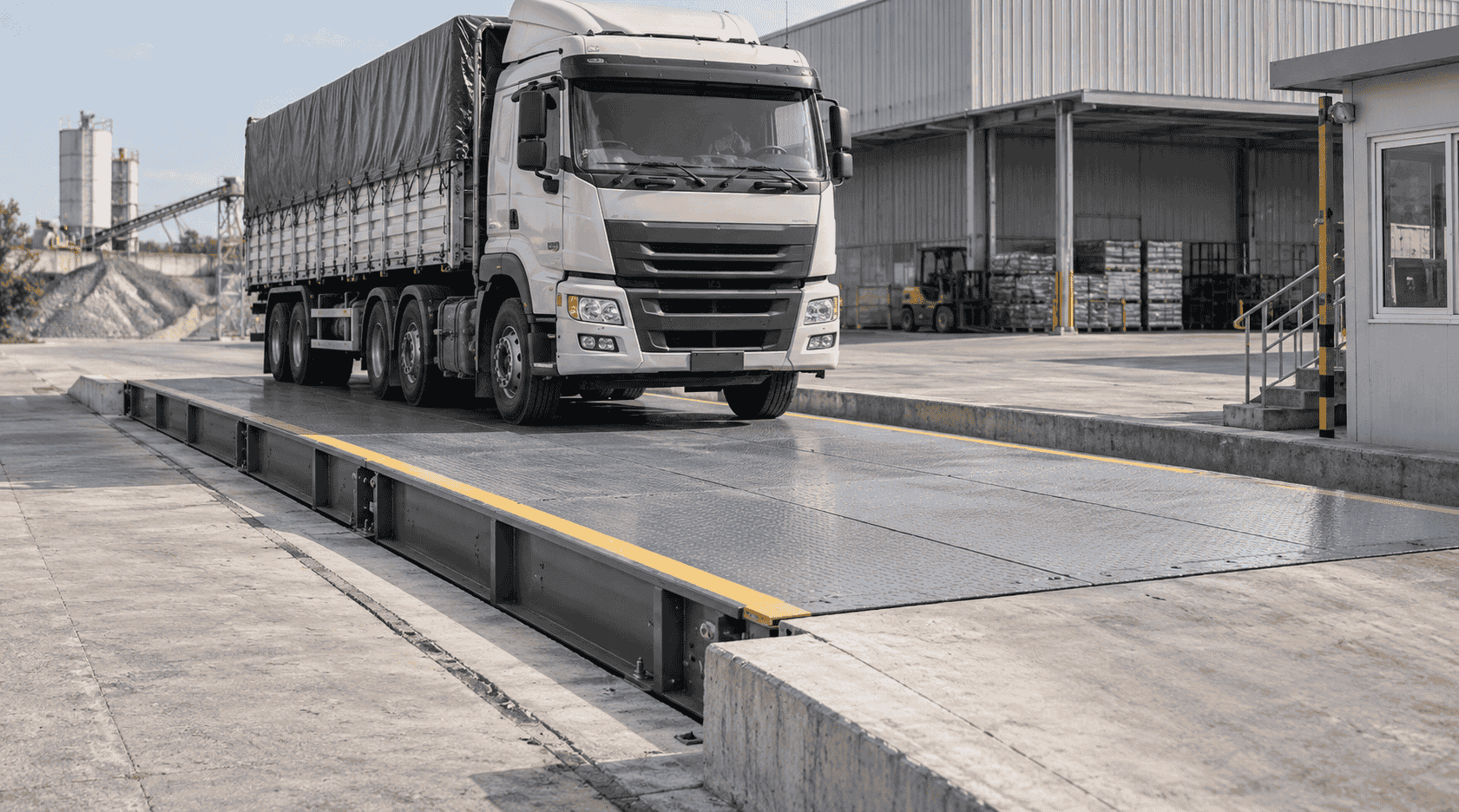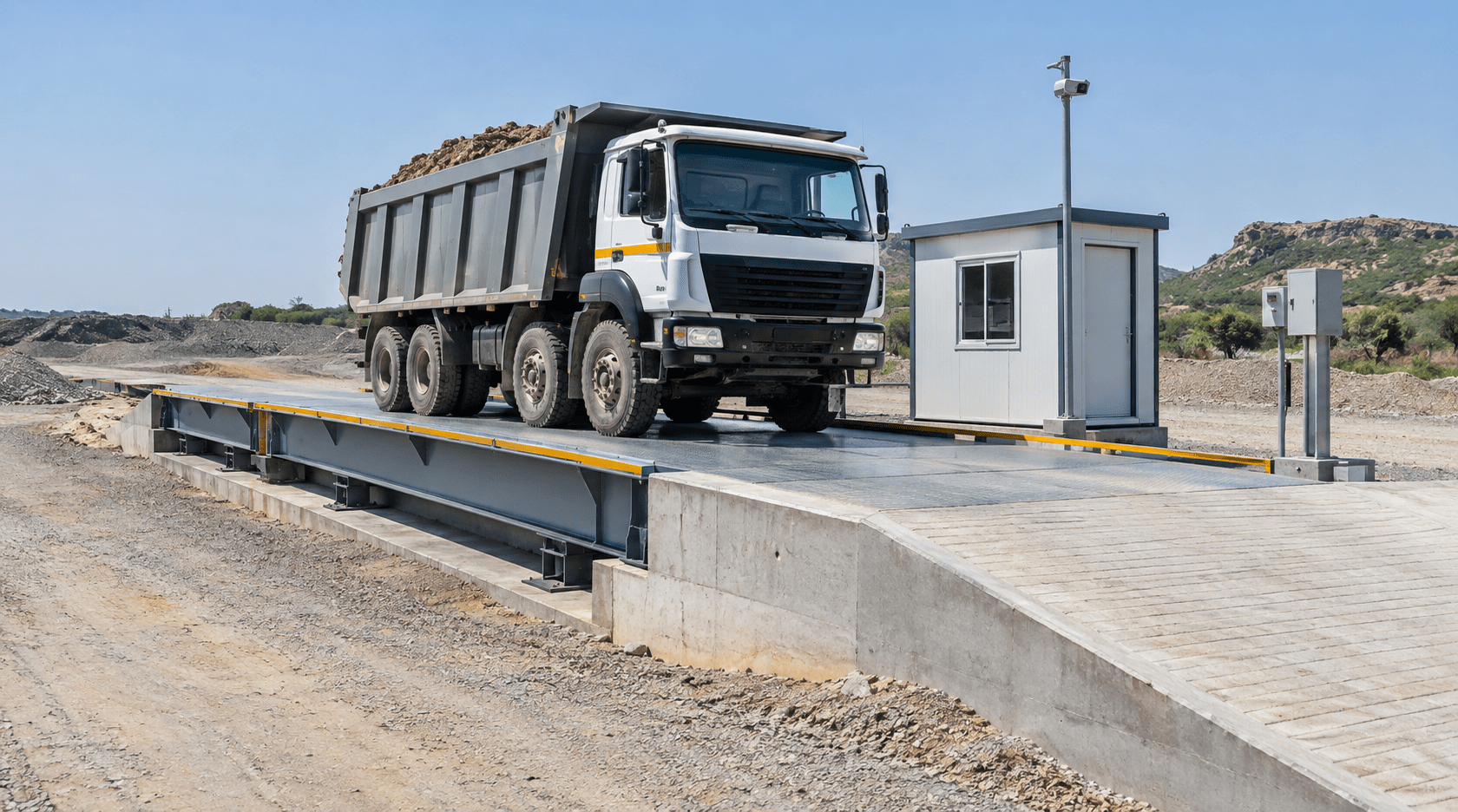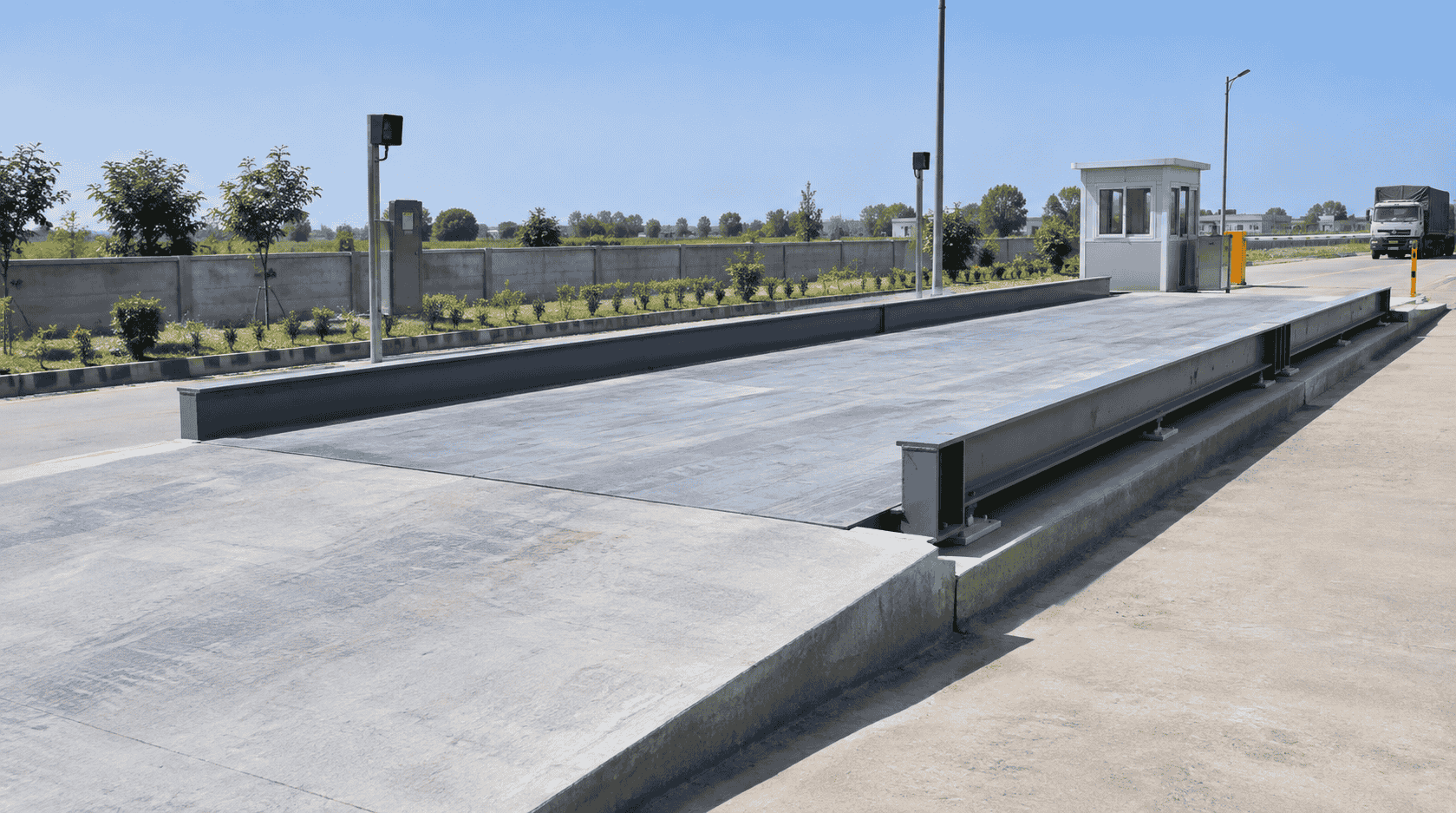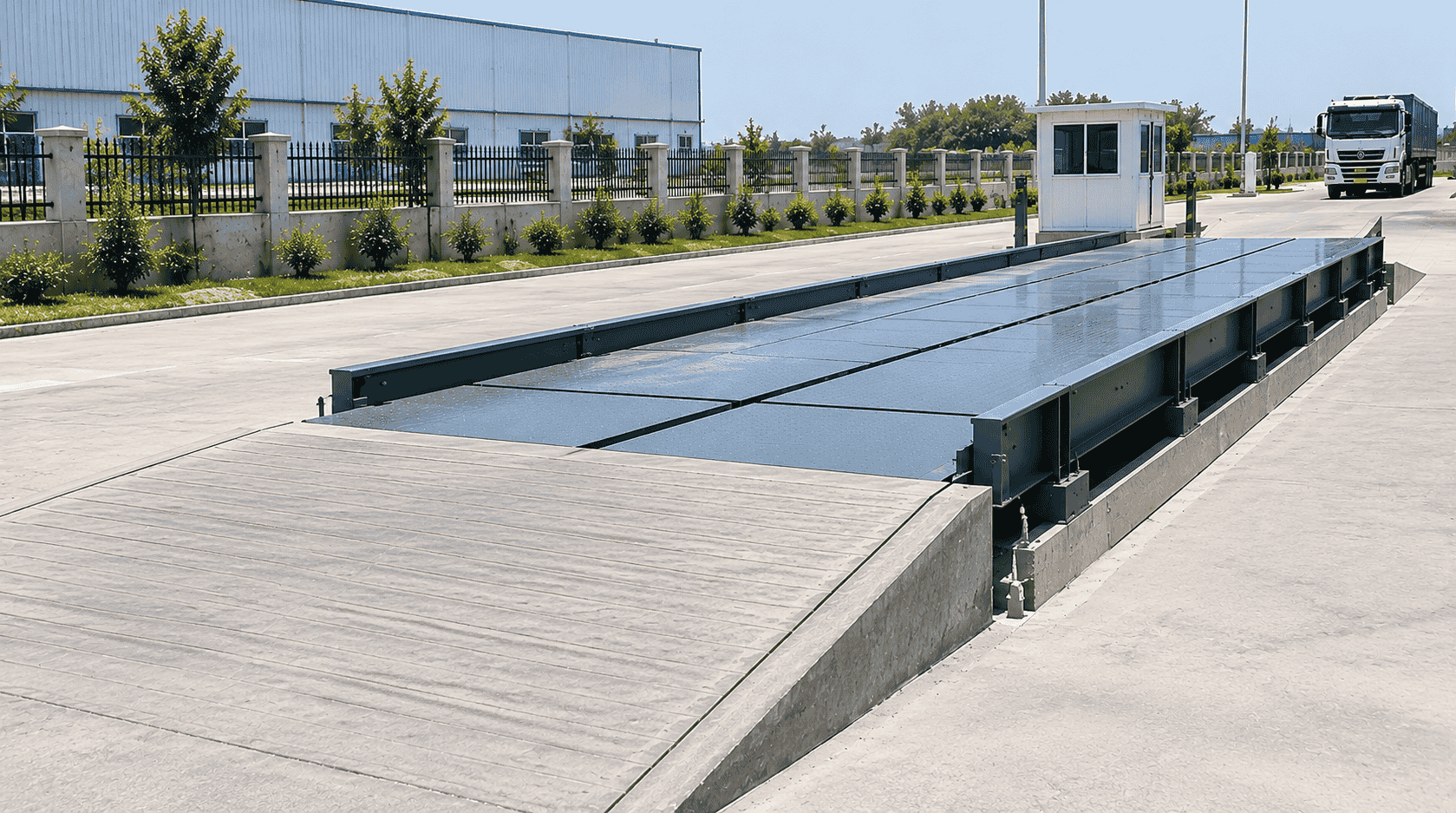
When a Mozambique site handles different truck configurations or needs individual axle-group weights, a standard platform may not provide the required weighing arrangement. Multi-deck weighbridges can address this requirement when capacity, deck layout, foundation, and site access are planned correctly with the supplier.
When does a multi-deck arrangement make sense?
The first decision is not the weighbridge length. It is understanding how trucks need to be weighed.
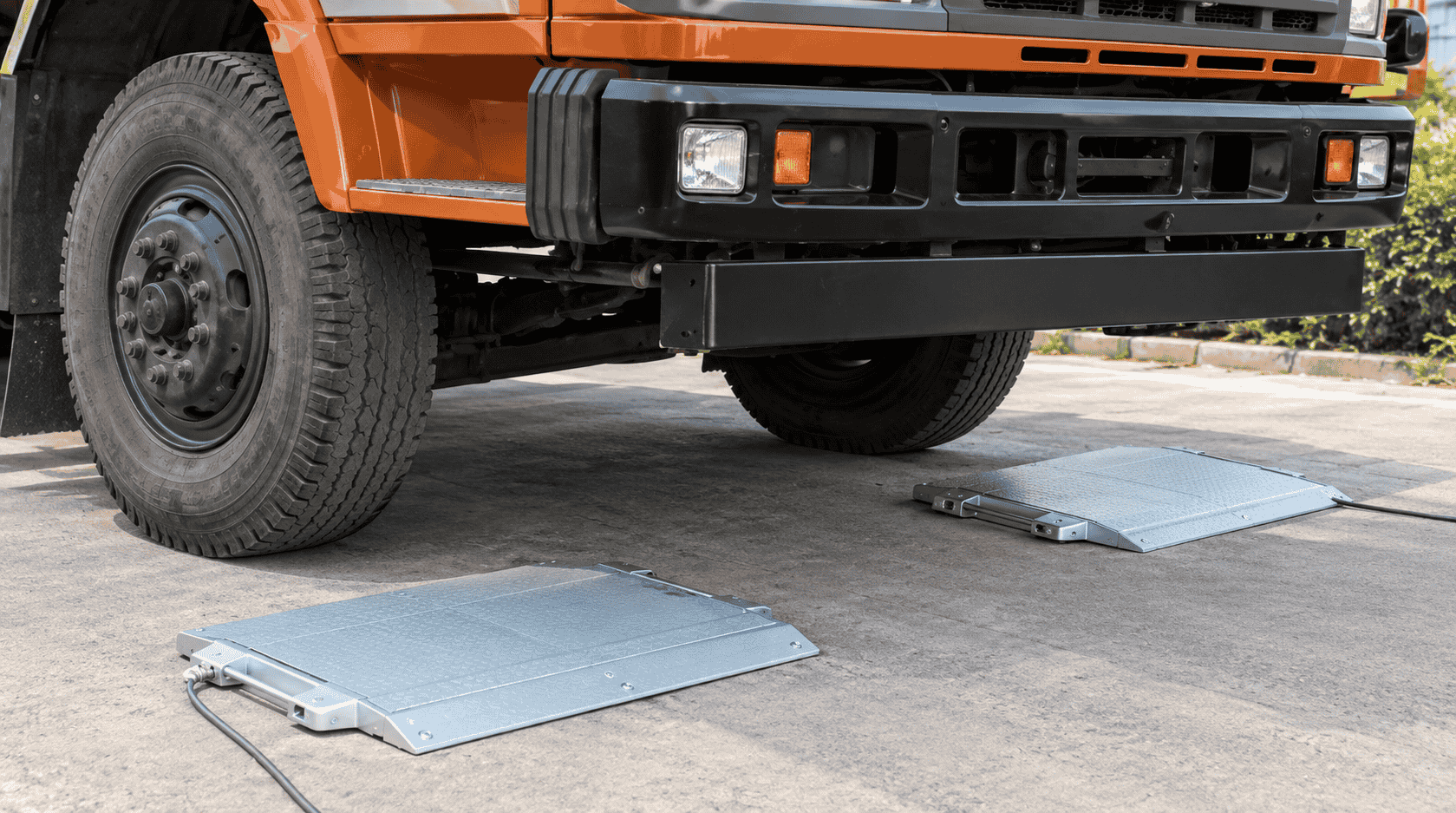
A multi-deck system uses separate weighing sections so individual axles or axle groups can be weighed separately while the system can also calculate the overall vehicle weight. This makes the arrangement relevant where axle breakdown information is important alongside total weight.
Before requesting a quotation, a buyer should clarify:
- Typical truck types and axle configurations
- Expected vehicle loading pattern
- Required total weighing capacity
- Whether axle-group information is required
- Number and arrangement of decks
- Frequency of vehicle movement
- Whether weighing will be static or require an in-motion arrangement
What should be decided before requesting the quotation?
A supplier needs more than the words “multi-deck weighbridge” to recommend a suitable configuration.
Prepare the following project information:
| Project point | What the buyer should confirm |
| Vehicle type | Truck and trailer combinations expected on site |
| Capacity | Required weighing range based on actual vehicles |
| Deck arrangement | Number, length, and positioning of decks |
| Site layout | Available length, width, entry and exit movement |
| Foundation | Ground conditions and proposed construction arrangement |
| Environment | Dust, moisture, rain and general operating conditions |
| Operation | Manual, attended or optional unmanned operation |
| Maintenance | Access around load cells and weighing structure |
| Future needs | Potential changes in truck size or traffic volume |
Exelon publishes multi-deck configurations with different deck lengths and widths, while the final arrangement can depend on the project requirement.
How does the weighing sequence work?
The basic operating concept can be understood without getting into complicated instrumentation.
1. Truck enters the weighing area
The vehicle is positioned according to the operating procedure and deck arrangement.
2. Axles or axle groups load individual decks
Separate deck sections respond to the loads applied to them.
3. Load cells detect the applied load
The weighing components transmit the load information to the electronic weighing system.
4. Individual readings are processed
The system can provide readings for separate deck sections where the configuration supports this function.
5. Total vehicle weight is calculated
The individual deck readings can be combined to provide the overall vehicle weight.
Exelon describes its multi-deck system as using a digital weight terminal capable of displaying individual deck weights or the summed total.
Which site conditions can change the equipment decision?
For a Mozambique project, discuss these points before manufacturing begins:
- Available space for truck approach and departure
- Road alignment and vehicle turning requirements
- Foundation and civil-work requirements
- Drainage around the weighing area
- Access for inspection and servicing
- Electrical supply and cable routing
- Protection from standing water and excessive contamination
- Clearance required around the structure
- Position of the operator or control area
- Access for future maintenance
What should buyers inspect before accepting the equipment?
Price should not be the only comparison point when evaluating suppliers.
Ask for clear information about:
- Deck construction and material
- Load-cell type and protection
- Weighing capacity
- Deck dimensions
- Restraining arrangements between deck sections
- Terminal and control-system configuration
- Accessibility of weighing components
- Testing and commissioning procedure
- Installation responsibilities
- Documentation supplied with the equipment
- Spare-part availability
- Technical support after installation
Exelon lists mild-steel deck construction, stainless-steel or alloy-steel load-cell options, and protected load cells among its published multi-deck system details. Buyers should still confirm the exact configuration proposed for their project rather than assuming every listed option applies to every installation.
Before you place an order
A short project review can eliminate many avoidable problems.
Confirm these points with the supplier:
- What trucks will use the weighbridge?
- What maximum vehicle weight needs to be handled?
- Is axle-by-axle or axle-group weighing required?
- How many decks are appropriate for the traffic pattern?
- What foundation arrangement suits the site?
- Is there sufficient approach and exit space?
- What electrical connections are required?
- How will drainage and water exposure be managed?
- Who will handle civil work, installation and commissioning?
- What technical documents and spare parts will be provided?
Getting these answers before fabrication makes the purchase discussion more specific and gives the project team a clearer basis for comparing quotations.
Keeping the system dependable after commissioning
Multi-deck equipment contains weighing structures, load cells, electrical components and moving or restrained sections that need practical inspection.
Routine attention should include:
- Keeping deck areas clear of accumulated material
- Checking for visible structural damage
- Inspecting cables and electrical connections
- Checking fasteners and accessible mechanical components
- Inspecting load-cell areas for contamination or water ingress
- Confirming that deck movement is not obstructed
- Checking the display and weighing system for abnormal indications
- Arranging servicing and calibration according to the equipment supplier’s recommendations
Services
- Requirement Assessment: Discussion of vehicle types, weighing needs, capacity and deck configuration before equipment selection.
- Configuration & Manufacturing: Support for selecting the appropriate multi-deck arrangement and manufacturing the weighing structure according to the agreed requirement.
- Installation & Commissioning: Coordination of installation considerations, system setup, testing and commissioning requirements.
- Technical & After-Sales Support: Assistance with operational questions, inspection, servicing and spare-part requirements after installation.
Location
Mozambique’s major commercial and industrial centres create varied requirements for vehicle weighing across transport, logistics, mining, agriculture, manufacturing and material-handling operations. Relevant areas include Maputo, Matola, Beira, Nampula, Chimoio, Quelimane, Tete, Nacala, Pemba, Lichinga, Xai-Xai, Inhambane, Maxixe, Angoche, Mocuba, Cuamba, Montepuez, Dondo, Moatize, Chókwè, Chibuto, Manhiça, Vilankulo, Manica, and Gondola. These locations reflect major cities, transport corridors and commercially relevant areas identified across geographic and infrastructure sources for Mozambique.
Planning the Requirement With Exelon Weighing System
For buyers looking for Multi Deck Weighbridges Supplier In Mozambique, Exelon Weighing System can discuss the requirement around vehicle configuration, weighing capacity, deck arrangement, installation conditions and project expectations.
The company provides multi-deck weighbridge solutions and publishes options covering different deck configurations and installation arrangements.
Exelon Weighing System provides manufacturing support from Ahmedabad, Gujarat, India. Its published company information also describes manufacturing, installation and spare-part support for weighing systems.
Buyers can discuss the project with Exelon before finalizing the equipment configuration through Exelon Weighing System.
FAQs
Q: How do I select the right multi-deck weighbridge for a Mozambique project?
A: Start with the truck types, maximum loaded weight, axle configuration and whether individual axle-group readings are required. Site dimensions and foundation conditions should then be evaluated before finalizing the deck arrangement.
Q: What information should I send a supplier before requesting a quotation?
A: Provide vehicle details, expected capacity, required weighing function, available installation area, foundation information, operating environment and any automation requirements. This gives the supplier enough context to propose a relevant configuration.
Q: What should be prepared before installation?
A: The site should be reviewed for foundation work, access and approach roads, drainage, electrical connections, maintenance clearance and equipment positioning. Civil-work responsibilities should also be agreed with the supplier before installation begins.
Conclusion
Selecting Multi Deck Weighbridges Supplier In Mozambique should begin with the actual vehicle movement and weighing requirement, not simply platform size. Exelon Weighing System can support project discussions covering configuration, site planning and technical requirements, with manufacturing support from Ahmedabad, Gujarat, India.
Discuss your vehicle types, required capacity, deck arrangement and site conditions with Exelon Weighing System before finalizing your weighbridge project.
CALL US:
(+91) 990 407 8662
(+91) 990 407 8664
MAIL US:
sales@ewsindia.net
For further details, please feel free to contact us.
View Product: Click Here