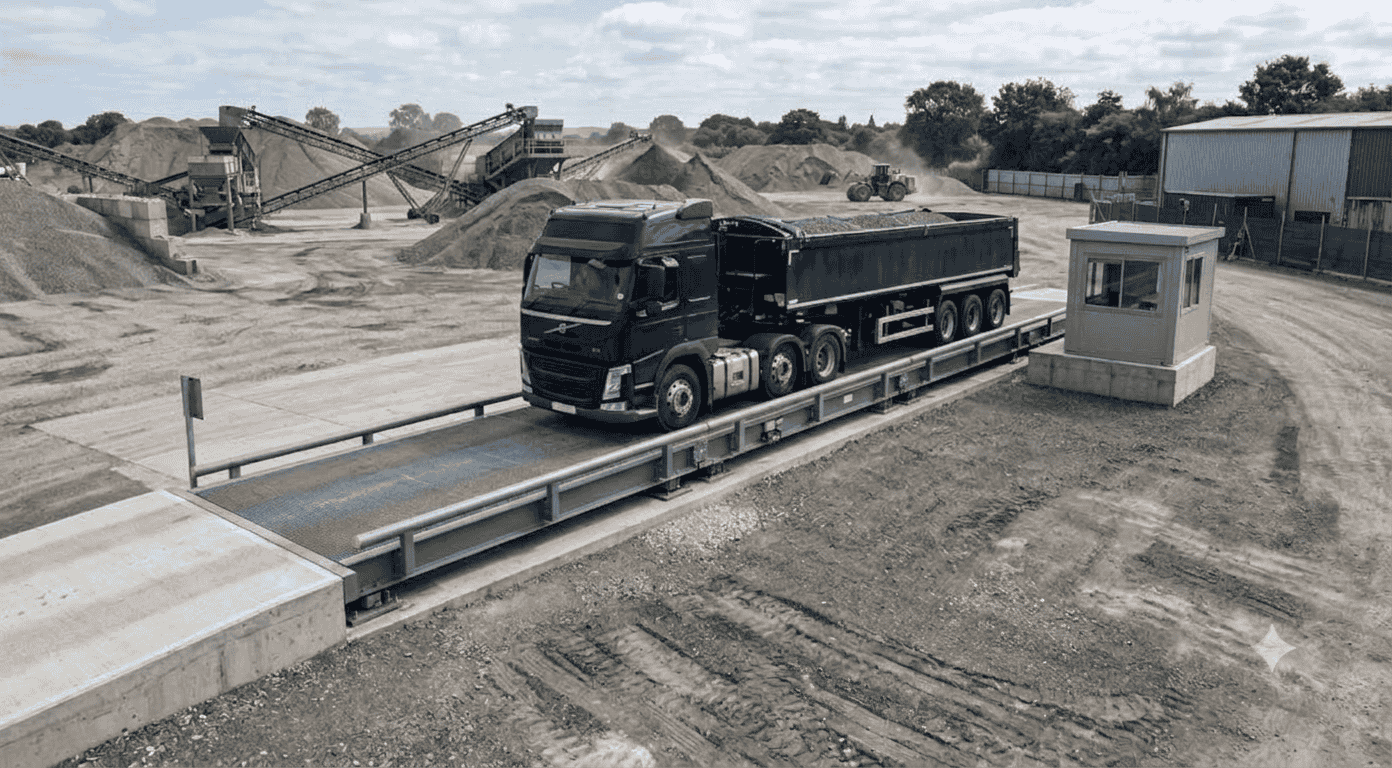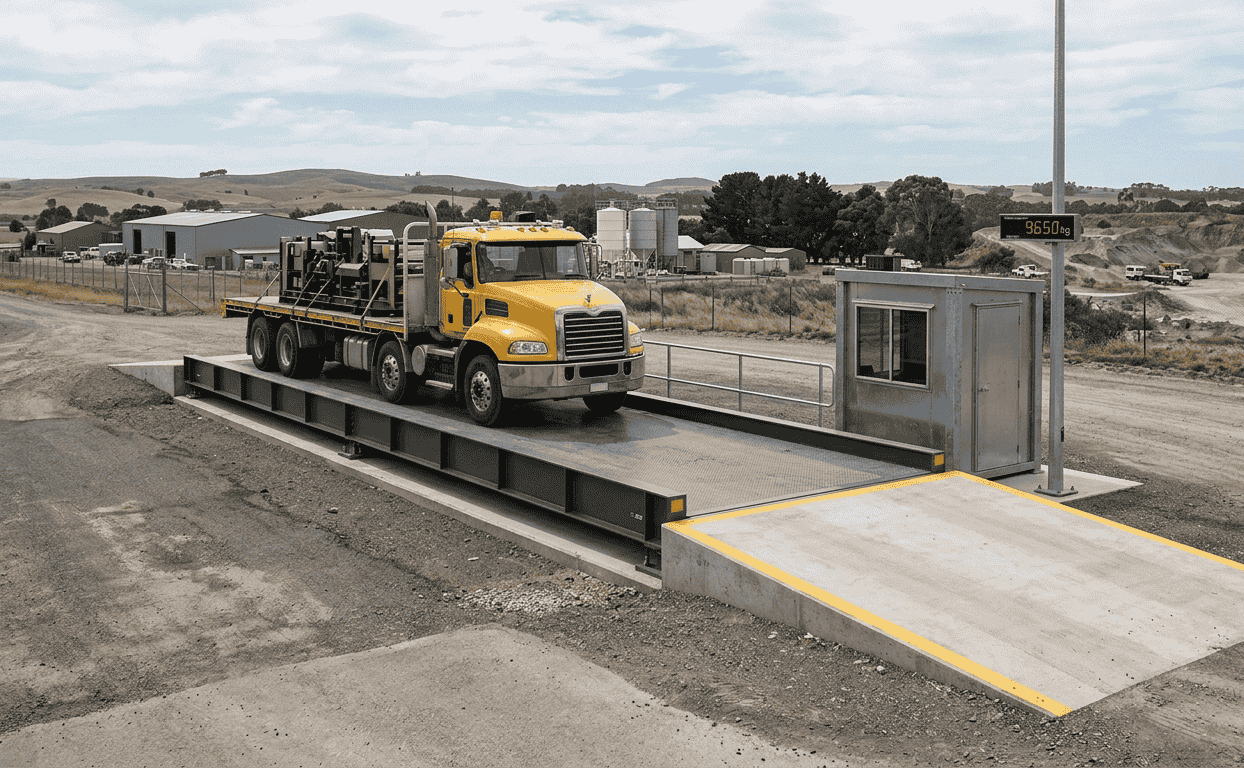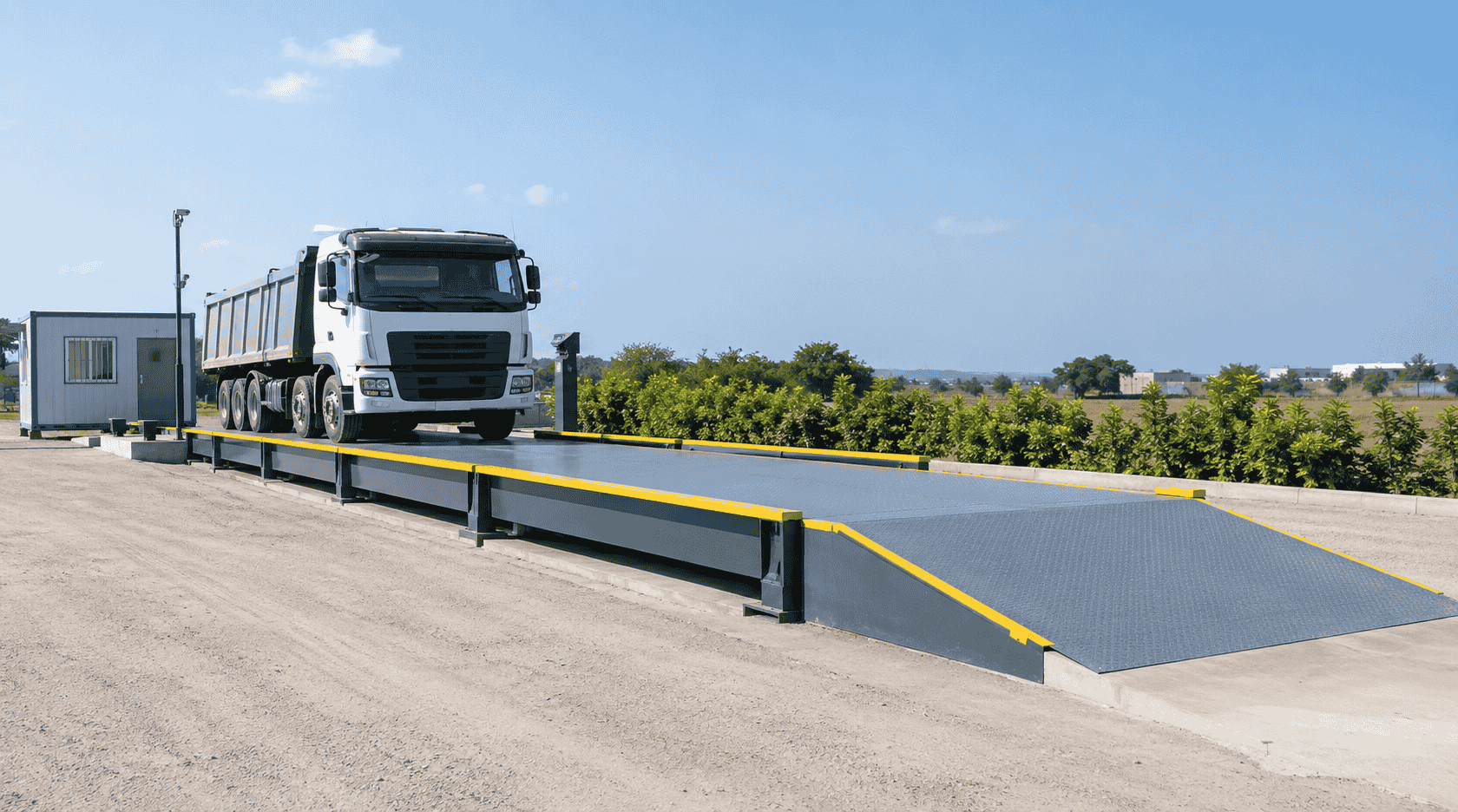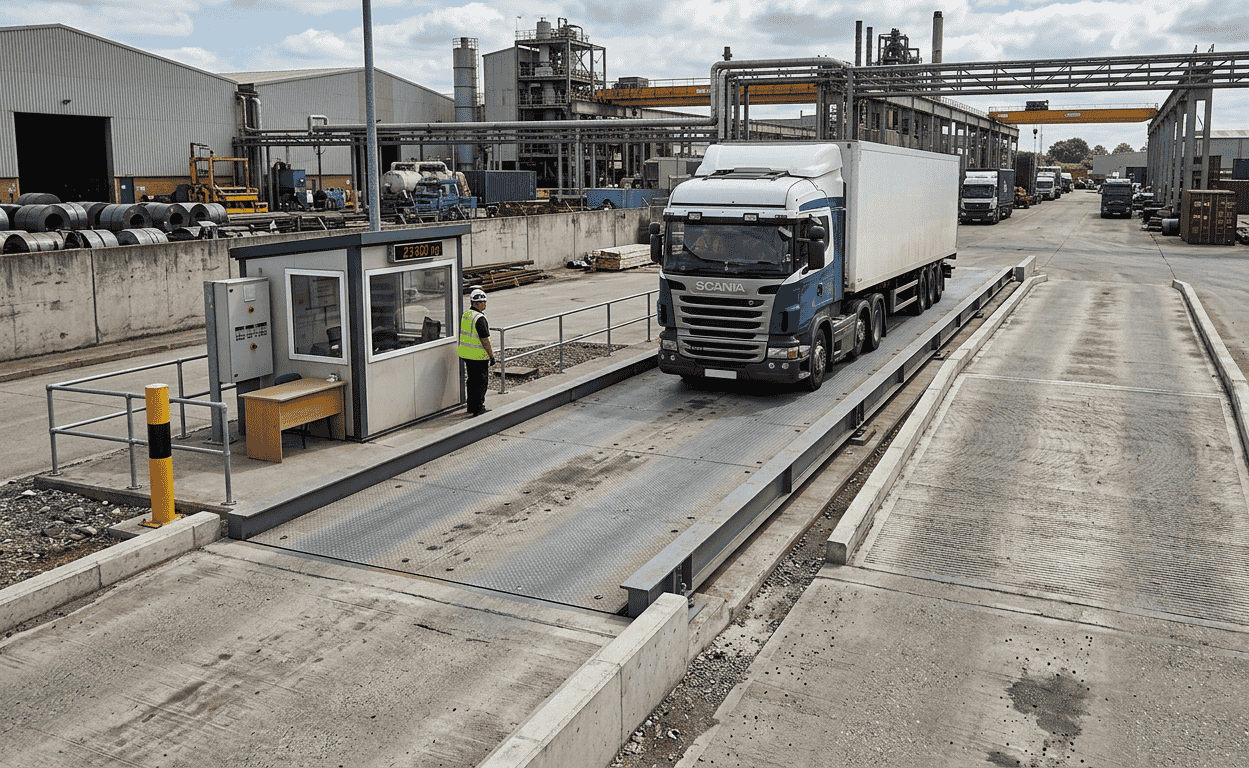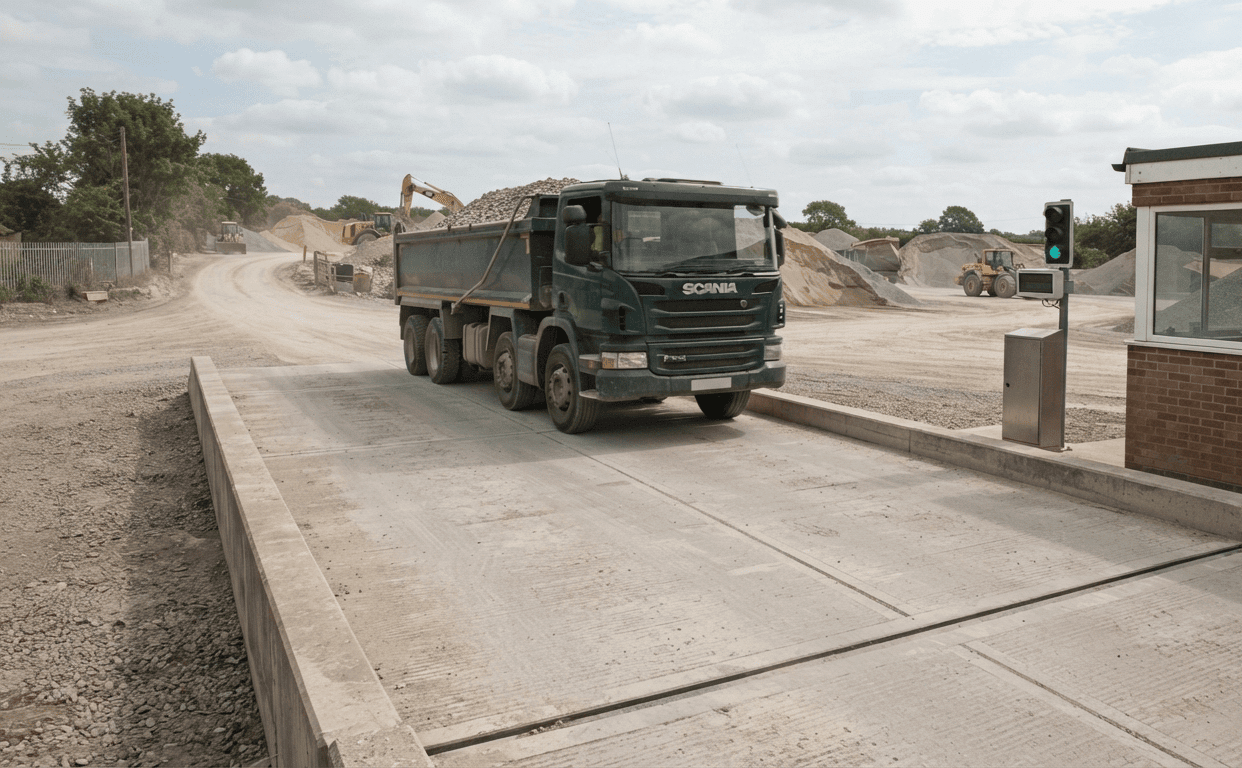
Heavy vehicles carrying minerals, construction materials, agricultural produce, and industrial goods require dependable weight measurement at different stages of transportation. RCC Weighbridges in Zimbabwe for Heavy Vehicle Weighing help businesses monitor vehicle loads, manage material movement, and maintain consistent weighing records.
Understanding How RCC Weighbridges Support Heavy Vehicle Operations
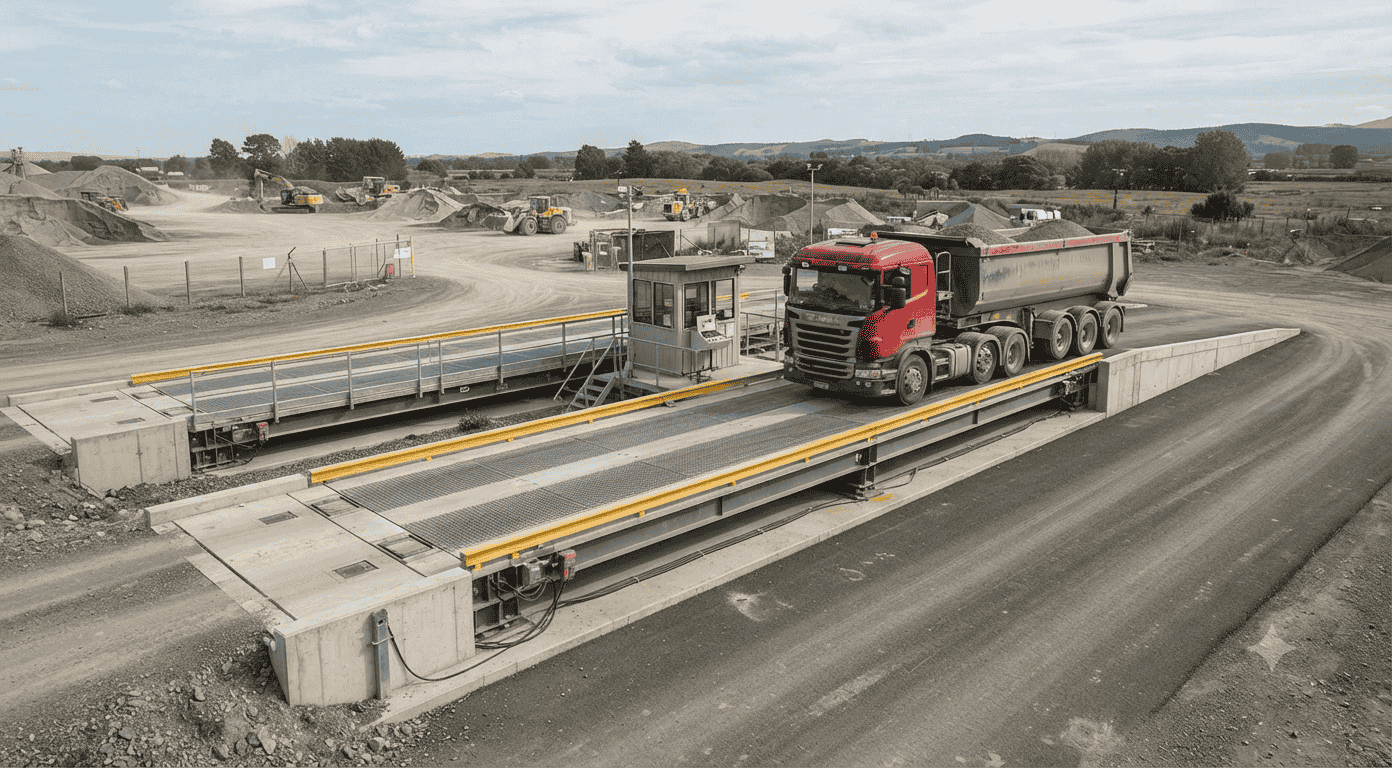
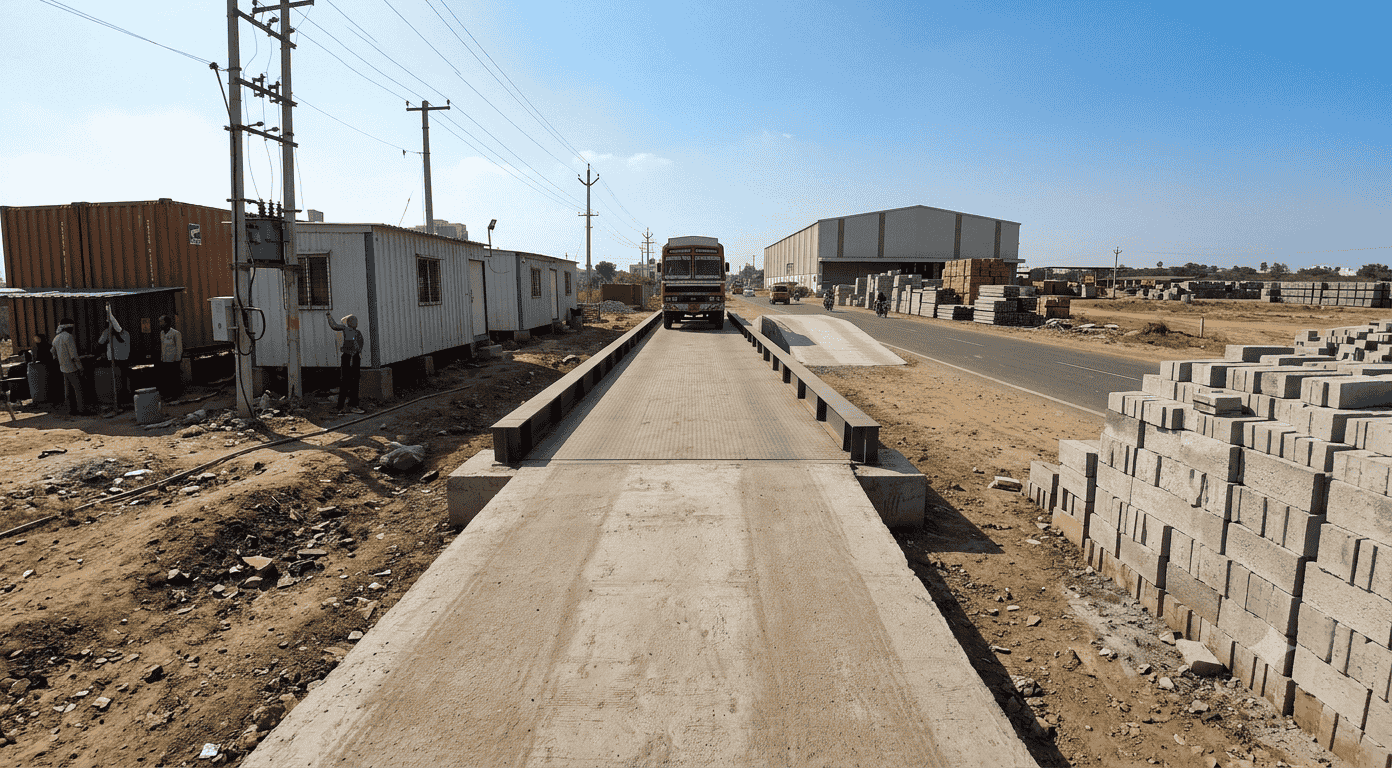
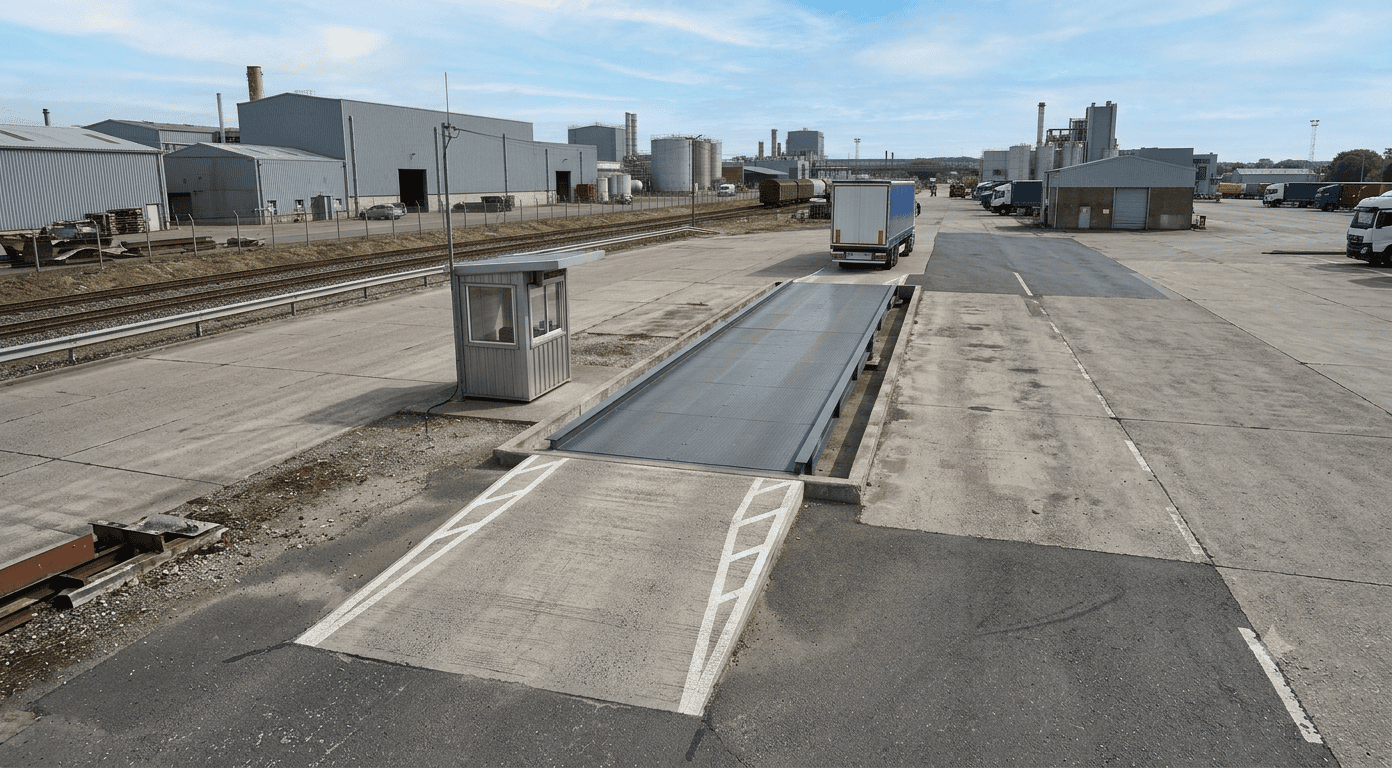
An RCC (Reinforced Cement Concrete) weighbridge is a vehicle weighing platform that uses a concrete deck supported by a structural framework and weighing components. It is designed to measure the weight of trucks and other heavy vehicles when they are positioned on the platform.
Unlike conventional steel-deck weighbridges, an RCC platform uses concrete as its main weighing surface. The construction approach can be suitable for industrial locations where heavy vehicles regularly enter and leave the premises.
For businesses in Zimbabwe, these systems can be relevant to:
- Mining and mineral processing facilities.
- Cement and construction material plants.
- Agricultural storage and processing centres.
- Manufacturing and industrial warehouses.
- Logistics terminals and bulk transportation facilities.
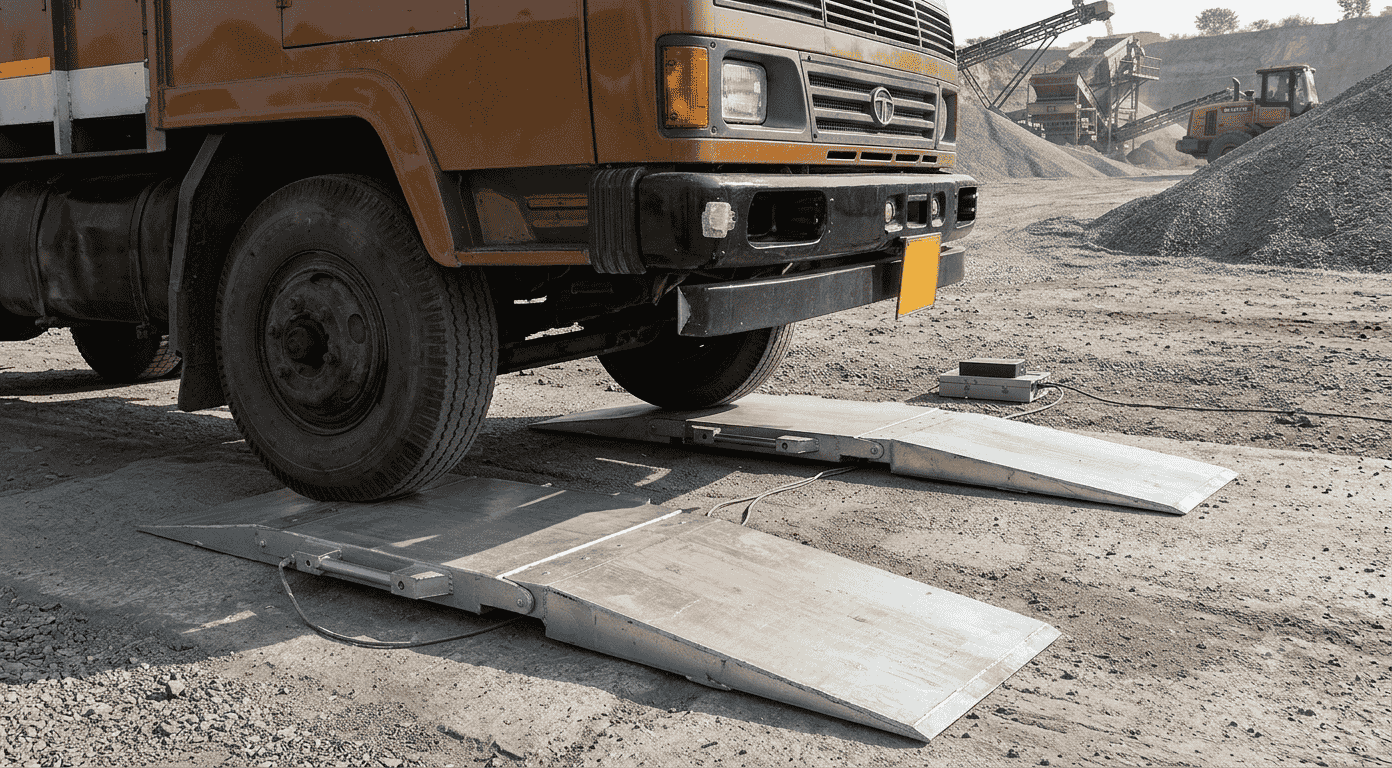
The weighing process generally involves positioning the vehicle on the platform, allowing the load cells to detect the applied weight, and transmitting the signals to a digital indicator. The displayed reading can then be recorded for operational and material management purposes.
Why Concrete Platform Construction Matters in Heavy-Duty Weighing
The platform structure plays an important role in the stability and long-term operation of a weighbridge.
Exelon Weighing System describes its RCC weighbridge as a steel-cum-concrete construction with fabricated modules and a heavy-duty RCC top. Its design information also identifies a raft foundation and flexible module arrangement as product features.
For industrial buyers, concrete platform construction deserves attention for several reasons:
- Structural stability: The platform must distribute vehicle loads through the supporting structure and weighing points.
- Surface durability: The concrete deck provides a substantial driving surface for repeated heavy vehicle movement.
- Maintenance planning: Concrete surfaces do not require the same routine surface painting as exposed steel decks, although the complete weighing system still needs inspection.
- Site suitability: The foundation and supporting structure must be designed according to vehicle loads and ground conditions.
One important consideration is that a concrete deck does not eliminate maintenance. Load cells, cables, junction boxes, indicators, drainage arrangements, and structural connections still require appropriate inspection.
Where Zimbabwean Industries Can Use RCC Vehicle Weighing Systems
Different industrial operations have different reasons for weighing incoming and outgoing vehicles. The system should therefore be planned around the actual material-handling process.
Mining and mineral transportation
Mining facilities can use weighbridges to record the weight of vehicles transporting ores, aggregates, and processed minerals. Consistent weighing records help with dispatch documentation and material movement monitoring.
Construction and cement operations
Cement plants, aggregate suppliers, and construction material businesses can use vehicle weighing systems to monitor incoming raw materials and outgoing finished products.
Agriculture and bulk commodity handling
Grain storage facilities, agricultural processors, and commodity trading businesses may require truck weighing to document material received from suppliers and dispatched to customers.
Manufacturing and logistics
Factories and distribution centres can use weighbridges to check vehicle weights during raw material receipt and finished goods dispatch.
For example, a hypothetical mineral processing facility receiving several loaded trucks daily may use a weighbridge to record incoming vehicle weight and compare it with the corresponding empty vehicle weight. The difference helps establish the transported material quantity.
Technical Planning Factors That Influence Weighbridge Performance
Selecting RCC Weighbridges in Zimbabwe for Heavy Vehicle Weighing requires more than choosing a platform based on its maximum capacity.
The complete installation must match the site’s operating conditions and vehicle movement requirements.
Important technical considerations include:
- Vehicle dimensions: Check the length, width, wheelbase, and axle configuration of the trucks that will use the platform.
- Weighing capacity: Consider the maximum gross vehicle weight and expected axle loads rather than relying only on average vehicle weight.
- Platform dimensions: The weighing deck should accommodate the longest vehicles without creating positioning difficulties.
- Load cell arrangement: Confirm the number, capacity, positioning, and suitability of load cells for the proposed platform design.
- Foundation requirements: Soil conditions, drainage, foundation dimensions, and concrete specifications should be reviewed by the project engineering team.
- Electrical and weighing equipment: Confirm indicator compatibility, cable routing, power supply, grounding, and lightning protection according to site conditions.
A further point is vehicle approach and exit geometry. Even when the weighing platform is correctly selected, poorly planned ramps, turning areas, or uneven approaches can affect vehicle positioning and daily operating convenience.
Buyer Checkpoints Before Finalising an RCC Weighbridge Project
Before purchasing an RCC weighbridge, procurement teams and project engineers should clarify the following requirements with the manufacturer:
1. Maximum vehicle weight: Identify the heaviest loaded truck expected at the facility. This helps determine the required weighing capacity and structural design.
2. Vehicle traffic pattern: Estimate daily truck movement and identify whether the weighbridge will handle occasional, regular, or continuous weighing operations.
3. Civil construction scope: Confirm who will be responsible for foundation preparation, reinforcement, concrete pouring, drainage, and installation-related work.
4. Weighing electronics: Discuss load cells, digital indicators, junction boxes, cables, and available data-recording options.
5. Environmental conditions: Evaluate exposure to rain, dust, temperature changes, moisture, and electrical disturbances when selecting suitable equipment and protection arrangements.
6. Calibration and documentation: Clarify commissioning procedures, calibration requirements, technical drawings, operating instructions, and applicable local legal-metrology requirements before putting the system into commercial use.
These checks are particularly important when sourcing equipment internationally. Clear technical communication between the buyer, manufacturer, civil contractor, and installation team can help avoid design changes and project delays.
Exelon Weighing System’s RCC Manufacturing Support from Ahmedabad
Exelon Weighing System manufactures and supplies industrial weighing equipment, including RCC weighbridges, from its manufacturing base in Ahmedabad, Gujarat, India.
Its RCC weighbridge product information describes a steel-cum-concrete platform, fabricated modules, flexible module design, and heavy-duty RCC construction. The company also identifies its industrial truck scales and weighing systems as part of its product range.
For buyers in Zimbabwe, discussing the project requirements with Exelon can help establish the technical details needed for equipment selection.
Before requesting a quotation, buyers can share:
- Expected maximum loaded vehicle weight.
- Vehicle dimensions and axle configurations.
- Required platform length and width.
- Proposed installation location and foundation details.
- Daily weighing frequency.
- Required weighing indicators and data management facilities.
Visit the official website: https://truckscale.in/
The company identifies its manufacturing support as being based in Ahmedabad, Gujarat, India. Buyers can contact its team to discuss the suitability of an RCC weighing system for their industrial application.
Industrial Locations in Zimbabwe Where Heavy Vehicle Weighing Is Relevant
Zimbabwe has industrial, mining, agricultural, manufacturing, and transportation activities across several cities and commercial centres. These operations can create demand for reliable vehicle weighing infrastructure to monitor bulk material transportation and industrial dispatch activities.
Relevant locations include Harare, Bulawayo, Mutare, Gweru, Kwekwe, Masvingo, Chinhoyi, Kadoma, Marondera, Bindura, Zvishavane, Gwanda, Hwange, Victoria Falls, Beitbridge, Redcliff, Chegutu, Norton, Rusape, Chiredzi, Shurugwi, and Kariba.
Businesses operating in these locations can evaluate RCC weighbridges according to their vehicle movement, material handling, site conditions, and weighing requirements. Exelon Weighing System provides manufacturing support from Ahmedabad, India, for buyers exploring industrial weighing equipment for Zimbabwe.
Frequently Asked Questions About RCC Weighbridges in Zimbabwe
1. What makes an RCC weighbridge suitable for heavy vehicle weighing?
An RCC weighbridge uses a reinforced concrete weighing platform supported by structural and electronic weighing components. Its suitability depends on vehicle loads, platform design, foundation conditions, and the operating environment.
2. How do RCC weighbridges measure the weight of trucks?
When a truck enters the platform, the load cells detect the applied force and convert it into electrical signals. A weighing indicator processes these signals and displays the vehicle’s measured weight.
3. What information is required to select an RCC weighbridge for a mining facility?
Buyers should provide maximum vehicle weight, axle configuration, truck dimensions, weighing frequency, site layout, and foundation conditions. These details help determine the appropriate platform and weighing arrangement.
4. Can buyers in Zimbabwe source RCC weighbridges from an Indian manufacturer?
Yes. Buyers can discuss their equipment requirements directly with Exelon Weighing System in Ahmedabad, Gujarat, India. Final supply, export documentation, installation arrangements, and local compliance requirements should be confirmed before ordering.
Conclusion: Plan Vehicle Weighing Around Actual Industrial Requirements
RCC Weighbridges in Zimbabwe for Heavy Vehicle Weighing can support industrial operations that require consistent vehicle weight measurement and material movement records. Selecting the right system involves evaluating vehicle capacity, platform dimensions, foundation design, and weighing electronics. Contact Exelon Weighing System to discuss your project requirements and suitable RCC weighbridge options.
CALL US:
(+91) 990 407 8662
(+91) 990 407 8664
MAIL US:
sales@ewsindia.net