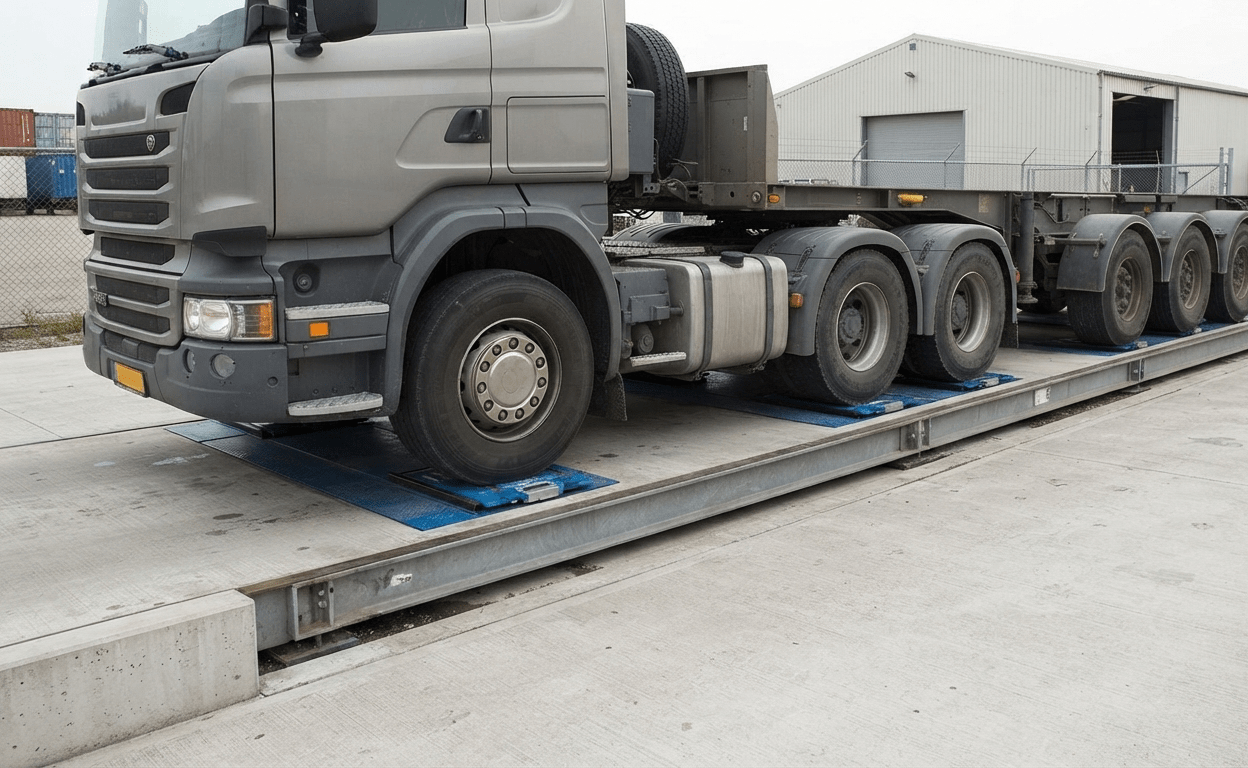
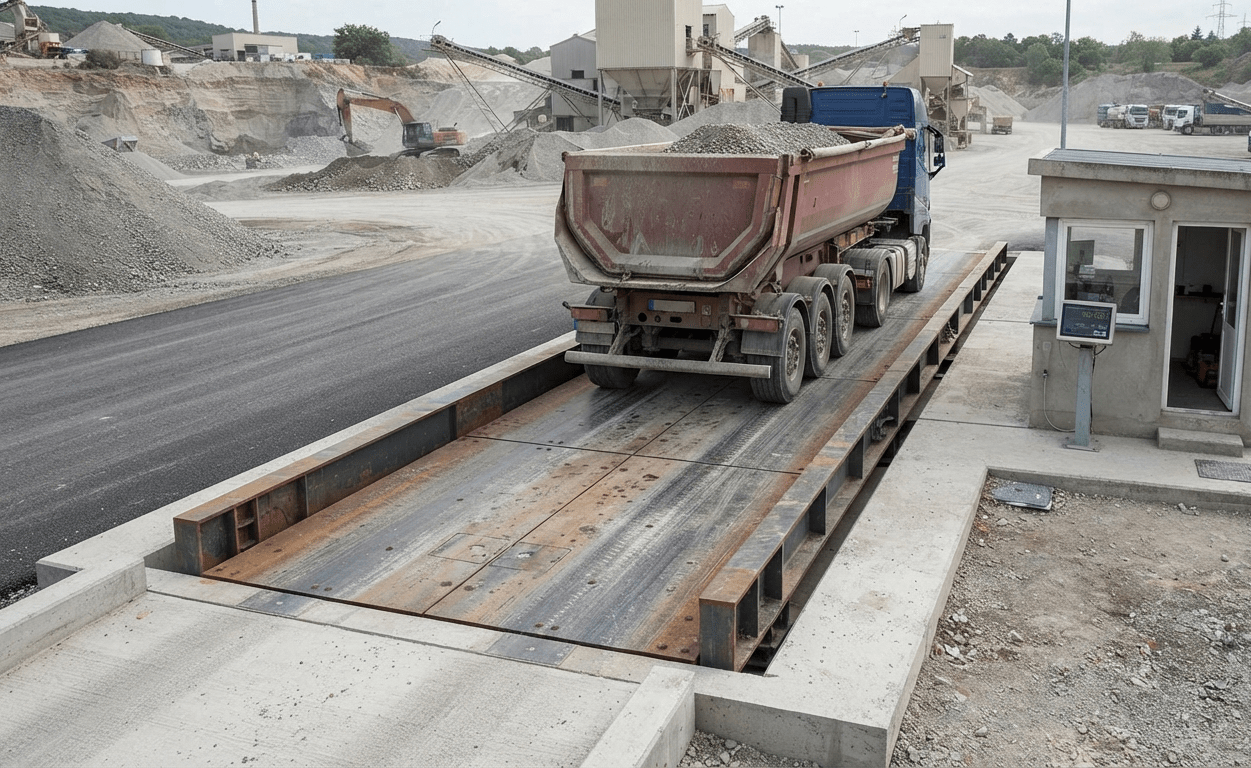
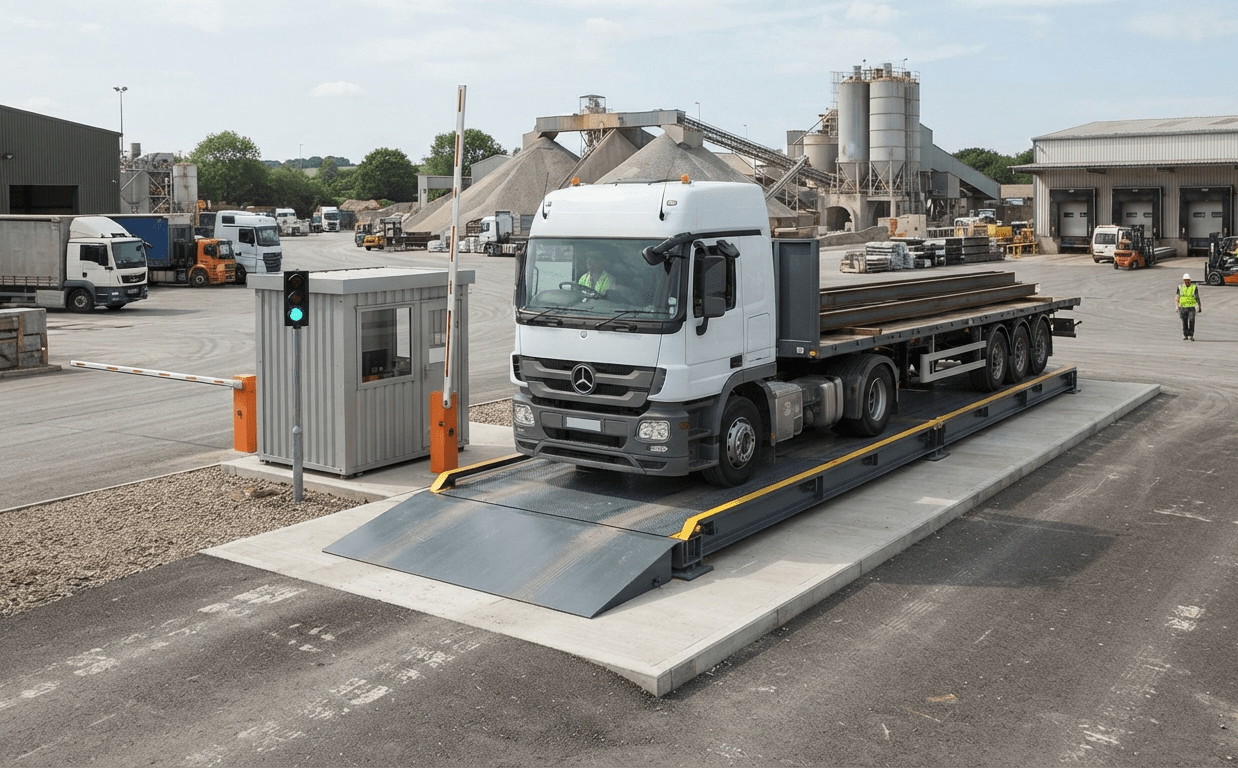
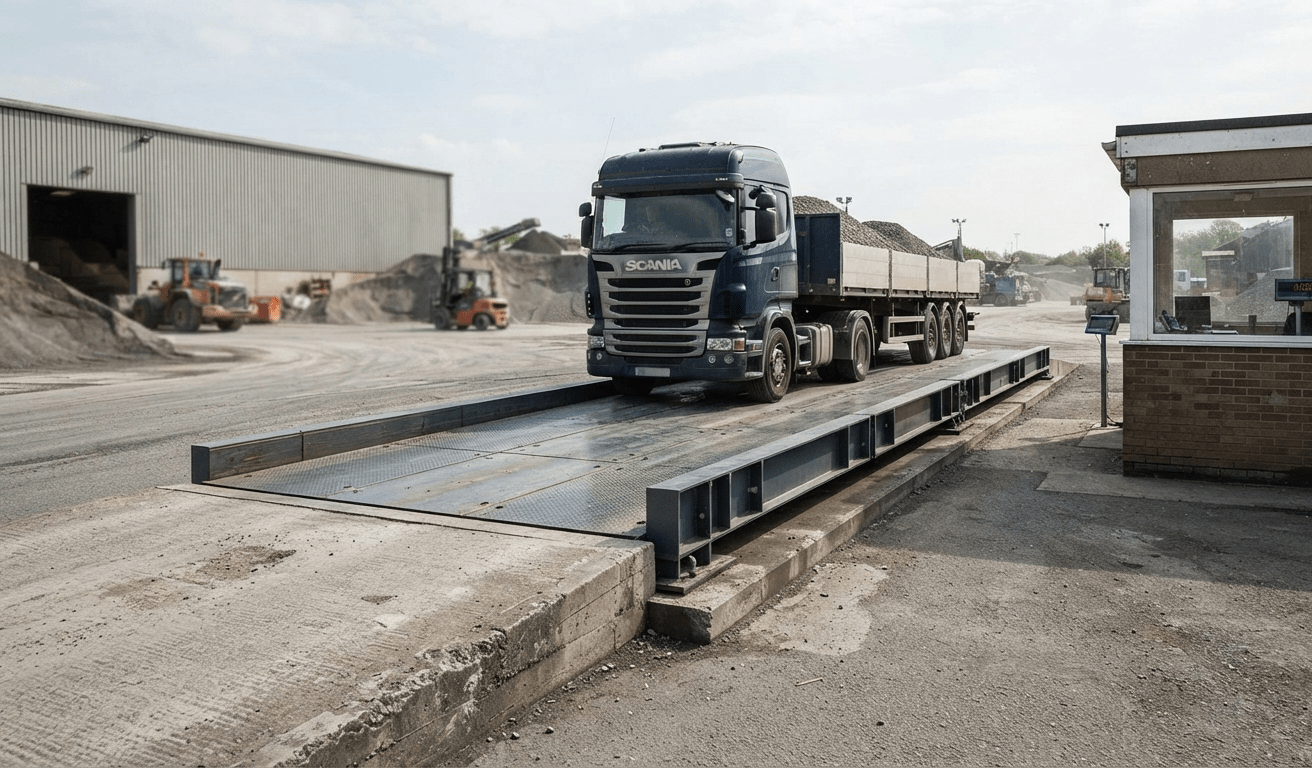
Accurate truck weighing is essential for logistics, mining, construction, agriculture, and bulk-material operations in Egypt. As an RCC Weighbridge Exporter to Egypt, Exelon Weighing System provides weighing solutions supported from Ahmedabad, Gujarat, India, for dependable vehicle weight management.
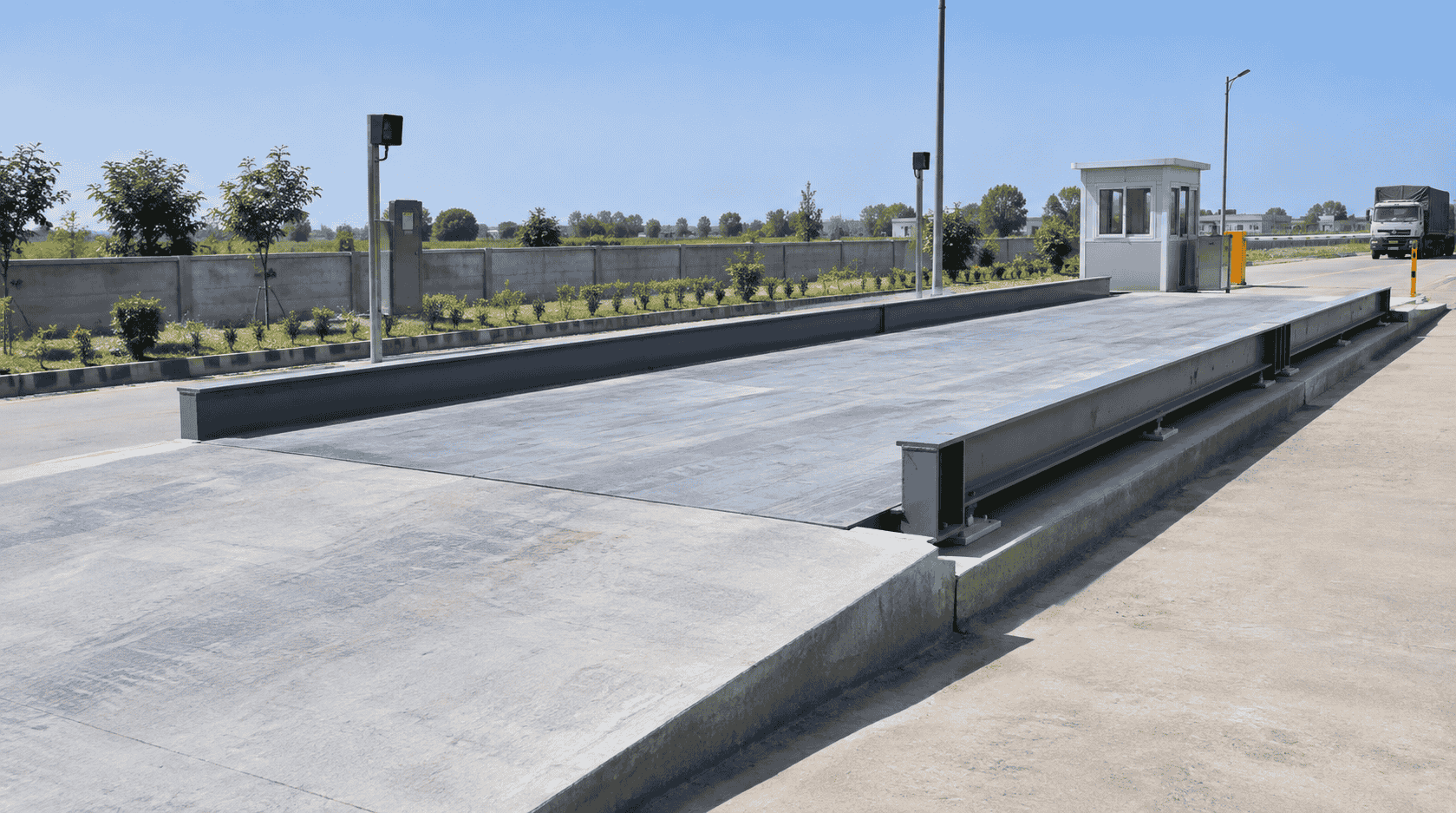
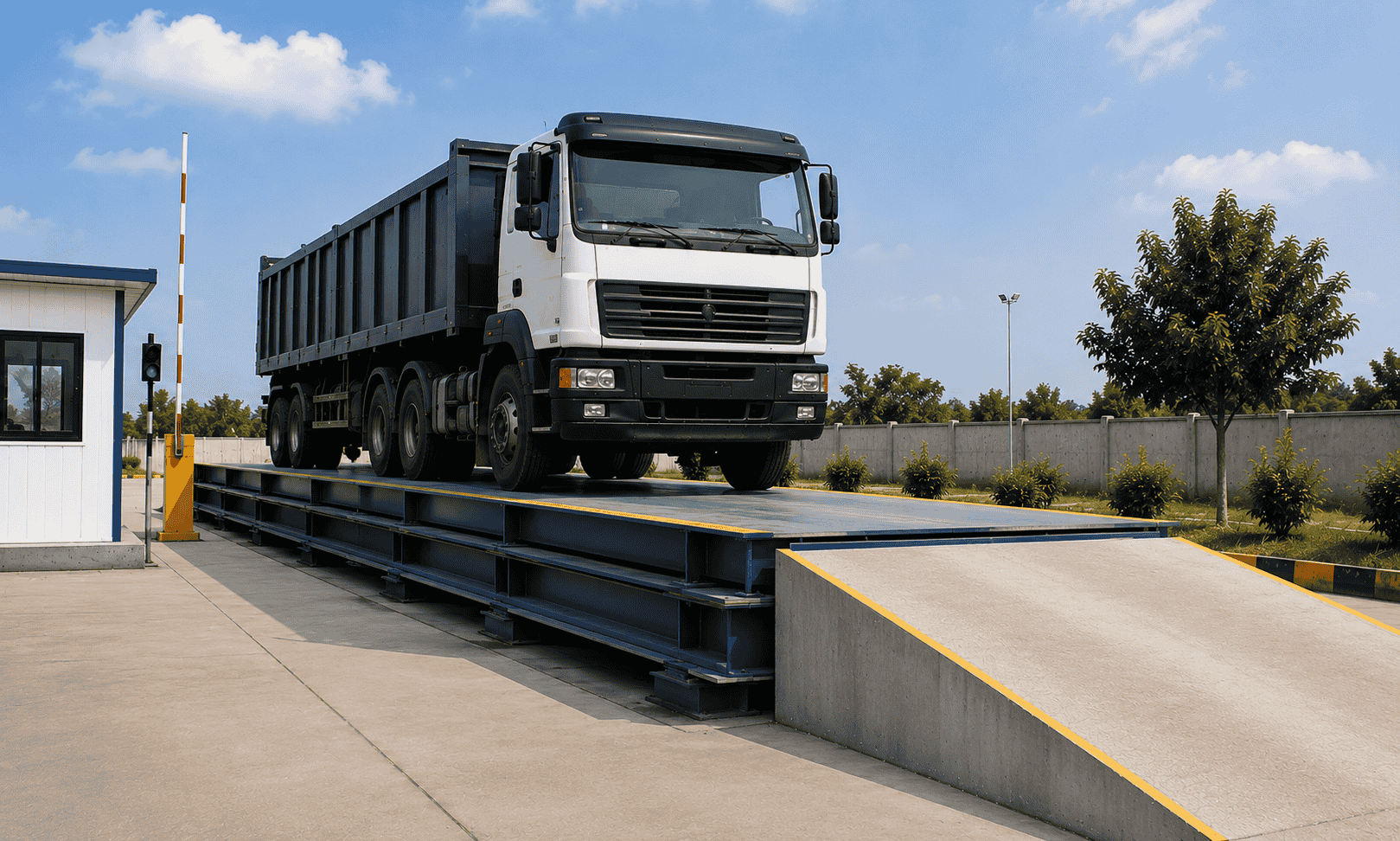
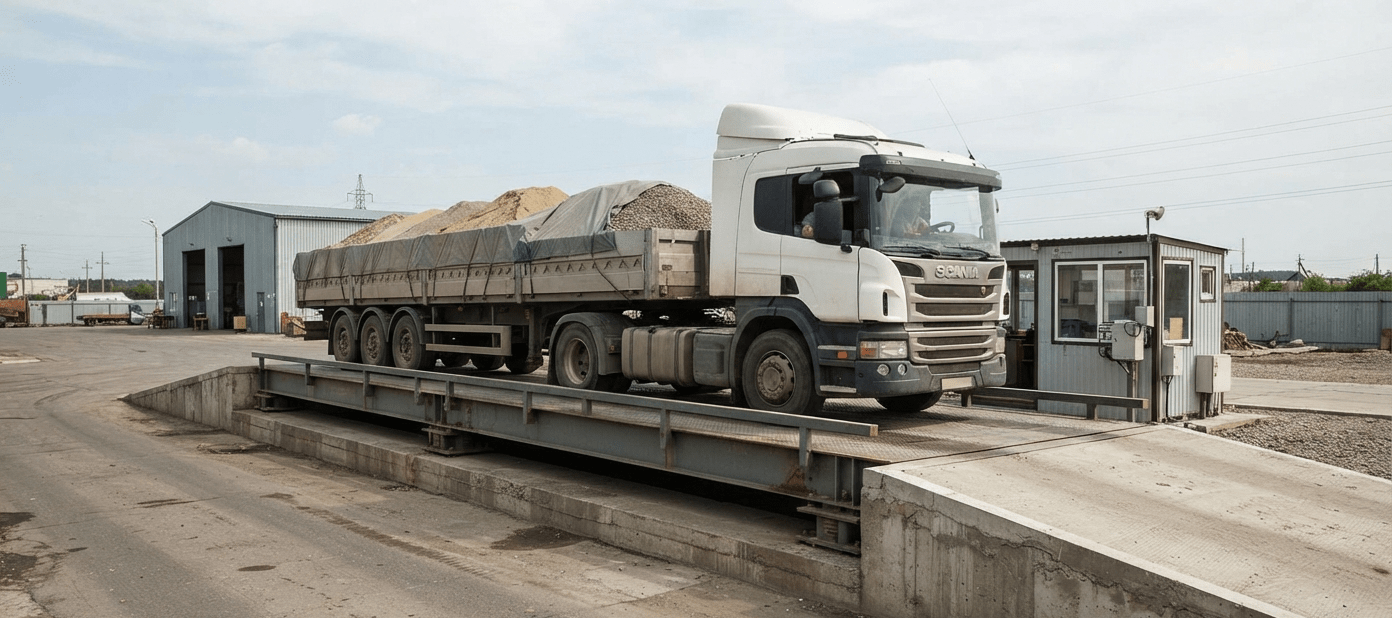
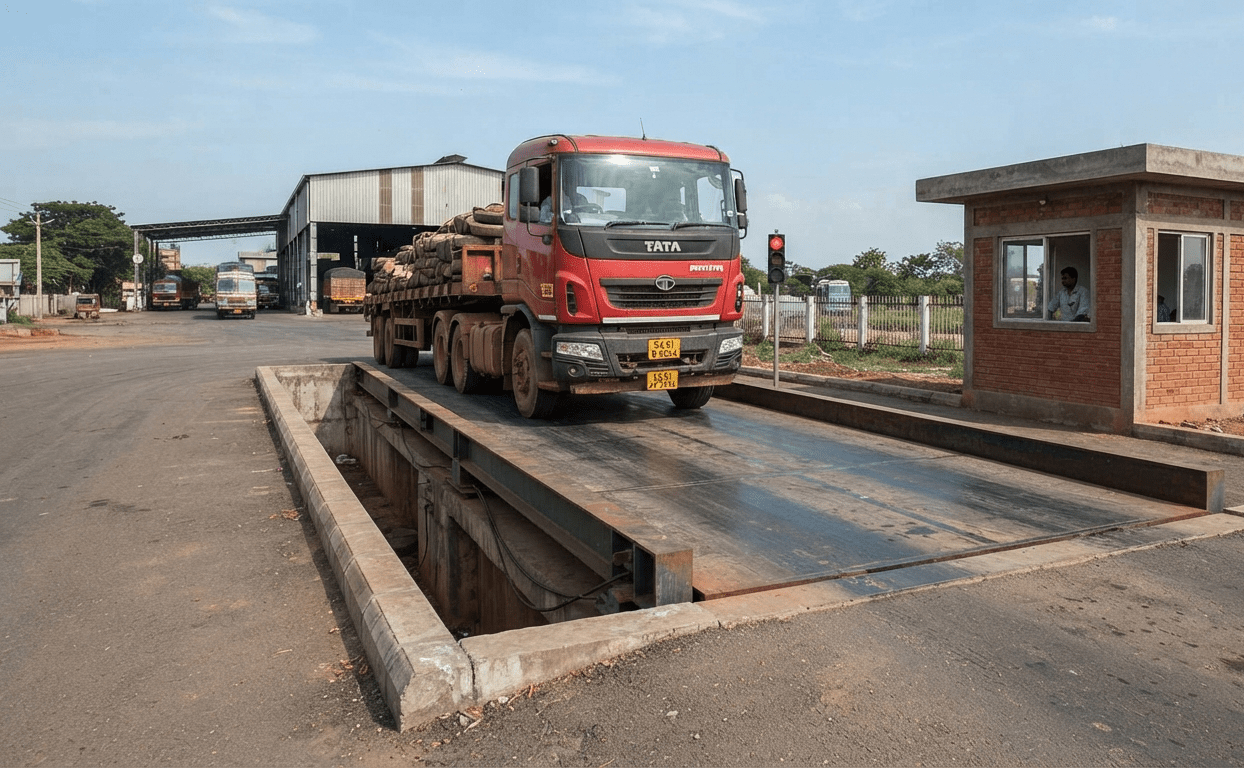
Understanding RCC Weighbridges for Heavy Vehicle Weighing
The system generally includes:
- Reinforced concrete weighbridge structure
- Load cells for weight measurement
- Junction box and weighing indicators
- Digital display and control equipment
- Weighing software or data-recording system, where required
- Access ramps and suitable foundation arrangement
For Egyptian industries handling cement, aggregates, minerals, agricultural commodities, waste, or other bulk materials, the right weighbridge configuration can help improve weight recording and dispatch control.
Choosing an RCC Weighbridge Based on Site and Vehicle Requirements
Before ordering an RCC weighbridge, buyers should evaluate the complete weighing environment rather than selecting only by platform size.
| Selection factor | What to check |
| Vehicle type | Trucks, trailers, tankers, or other commercial vehicles |
| Capacity | Maximum loaded vehicle weight expected at the site |
| Platform dimensions | Vehicle length and width to be accommodated |
| Foundation | Ground condition, drainage, access, and civil construction |
| Load cells | Suitability for the expected weighing load and environment |
| Traffic frequency | Occasional weighing versus continuous daily operation |
| Data requirements | Basic weight display or computerized records |
| Site conditions | Dust, moisture, temperature, and available working space |
| Maintenance | Accessibility for inspection and servicing |
| Future needs | Possible changes in vehicle size or weighing volume |
A proper requirement assessment can prevent problems such as inadequate platform length, unsuitable foundation planning, or capacity mismatch.
How the Weighing Process Works
The operating process is straightforward when the weighbridge and site are correctly configured.
Step 1: Vehicle positioning
The truck enters the platform and is positioned properly within the weighing area.
Step 2: Load measurement
The load cells detect the vehicle’s force on the platform and convert it into an electrical signal.
Step 3: Weight processing
The weighing indicator processes the signal and displays the measured vehicle weight.
Step 4: Record and release
The weight can be documented manually or integrated with weighing software according to the selected system.
Installation, Maintenance, and Quality Checks
RCC weighbridge performance depends on both equipment quality and proper site preparation. Buyers should review:
- Foundation drawings and civil requirements before installation
- Platform dimensions and maximum weighing capacity
- Load cell arrangement and component quality
- Indicator and electrical connections
- Calibration and testing requirements
- Drainage around the foundation
- Access for cleaning and inspection
- Availability of replacement components and technical support
Routine maintenance should include checking the platform area for material accumulation, inspecting cables and connections, observing unusual weight fluctuations, and keeping the weighing zone free from obstructions.
If readings become inconsistent, the first checks should include platform clearance, load cell connections, foundation condition, electrical supply, and calibration status.
What Buyers Should Verify Before Exporting
When purchasing an RCC weighbridge for an overseas project, customers should confirm the complete scope with the exporter.
Important points include:
- Required capacity and platform dimensions
- Vehicle types and traffic pattern
- RCC foundation responsibilities
- Electrical and control-system requirements
- Testing and documentation
- Packing and export arrangements
- Installation or commissioning assistance
- Spare-part and service availability
- Delivery schedule and project coordination
Clear technical documentation helps both the buyer and installation team avoid misunderstandings during project execution.
Project-Specific Configuration for Egyptian Sites
Different Egyptian sites can require different weighbridge arrangements depending on vehicle movement, available land, traffic volume, and operating conditions. Platform dimensions, weighing capacity, foundation planning, control equipment, and data-management requirements should therefore be finalized according to the actual project.
Where project conditions differ from standard requirements, customers should discuss the intended application and site arrangement with the supplier before confirming the order.
SERVICES
- Requirement consultation: Understanding vehicle types, capacity, dimensions, and site conditions.
- Weighbridge selection: Assistance with suitable platform and weighing-system configuration.
- Project coordination: Support for technical documentation and installation planning.
- Technical assistance: Guidance related to operation, maintenance, and troubleshooting.
LOCATION
Egypt has diverse industrial and commercial centres where reliable truck weighing can support material receiving, dispatch, transportation, and inventory control. Relevant locations include Cairo, Giza, Alexandria, Port Said, Suez, Ismailia, Damietta, Ain Sokhna, 10th of Ramadan City, 6th of October City, Sadat City, Borg El Arab, New Cairo, Obour City, Beni Suef, Minya, Asyut, Sohag, Qena, Luxor, Aswan, Tanta, Mansoura, and Zagazig.
Why Choose Exelon Weighing System
Exelon Weighing System focuses on understanding the customer’s vehicle weighing requirements before equipment selection. For international projects, this approach can help align capacity, platform dimensions, weighing components, documentation, and project requirements.
The company can support customers seeking an RCC Weighbridge Exporter to Egypt with product consultation and technical coordination. Its website, truckscale.in, provides information about its weighing-system offerings. Manufacturing support is based in Ahmedabad, Gujarat, India.
FAQ
Q: How do I determine the right RCC weighbridge capacity?
A: Consider the maximum gross weight of the vehicles that will use the weighbridge, including their heaviest expected loads. Selecting capacity with suitable operating margin is important.
Q: What site preparation is required for an RCC weighbridge?
A: Foundation design, ground condition, drainage, vehicle access, platform positioning, and electrical provisions should be reviewed before installation.
Q: Can the weighbridge be used for frequent truck weighing?
A: Yes, RCC weighbridges can be considered for regular commercial and industrial vehicle weighing. The configuration should match the expected traffic frequency and vehicle types.
Q: What should I check when selecting an exporter?
A: Review technical specifications, capacity, dimensions, documentation, testing arrangements, delivery planning, installation assistance, and after-sales technical support.
Conclusion
For businesses handling trucks and bulk materials in Egypt, an RCC weighbridge can provide a structured method for vehicle weight measurement and record management. Buyers should evaluate capacity, dimensions, foundation, operating conditions, maintenance, and support before ordering from an experienced exporter such as Exelon Weighing System.
Contact Exelon Weighing System to discuss your RCC weighbridge requirements, project specifications, selection needs, and technical assistance for Egypt.
CALL US:
(+91) 990 407 8662
(+91) 990 407 8664
MAIL US:
sales@ewsindia.net
For further details, please feel free to contact us.
View Product: Click Here